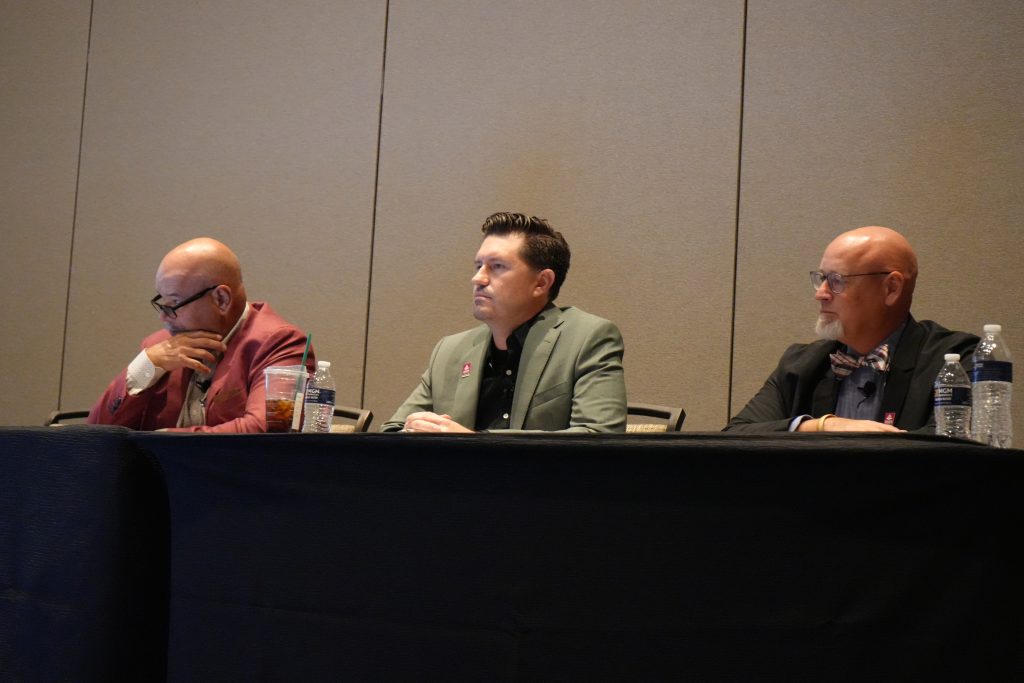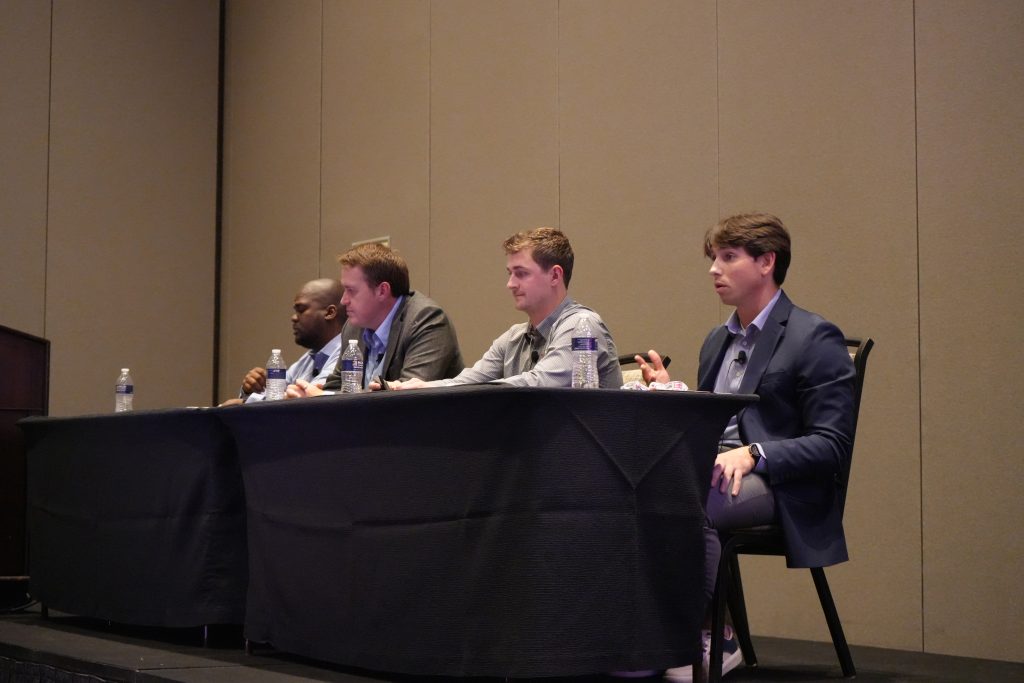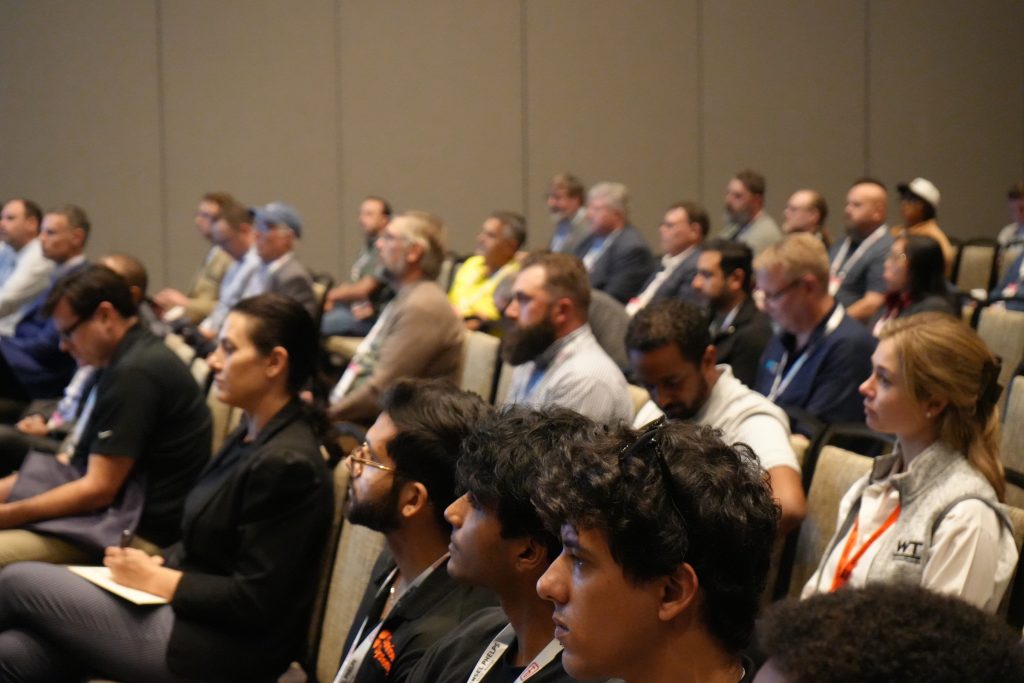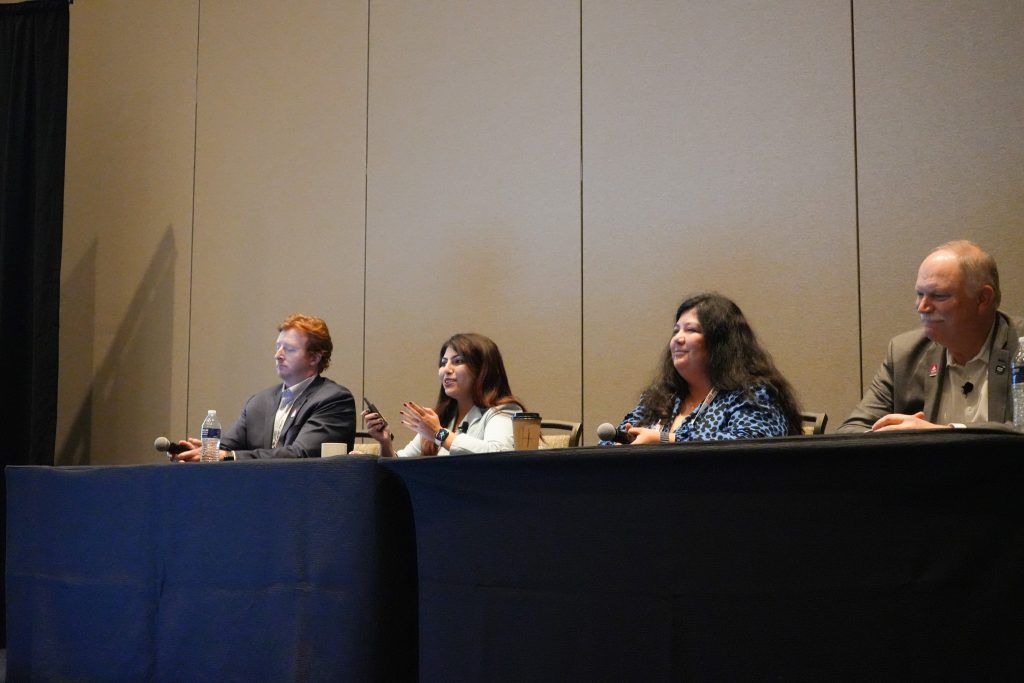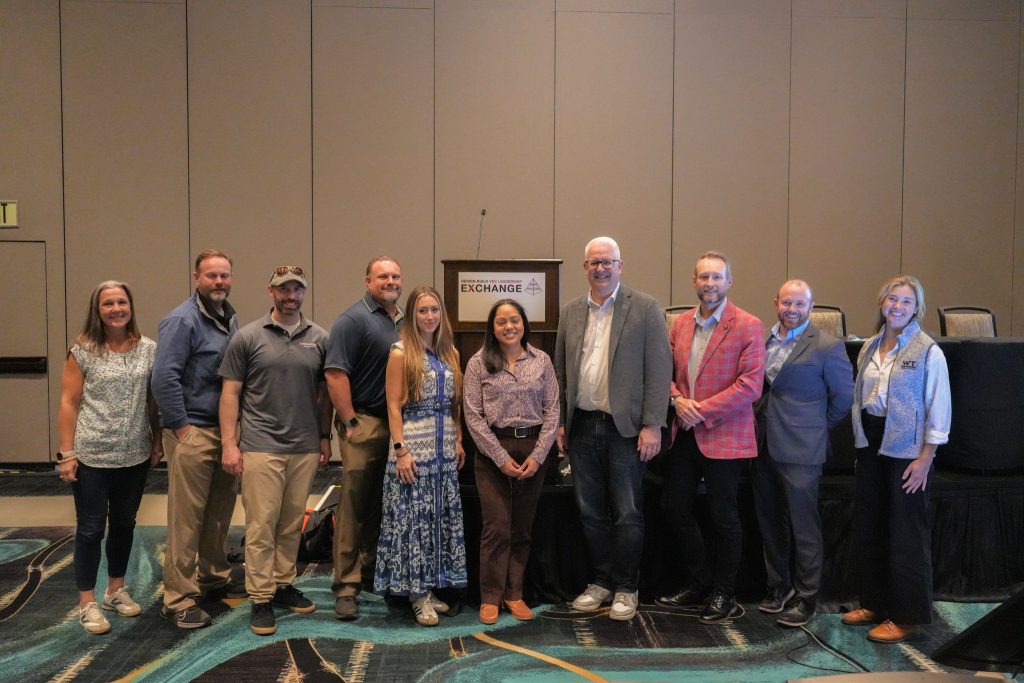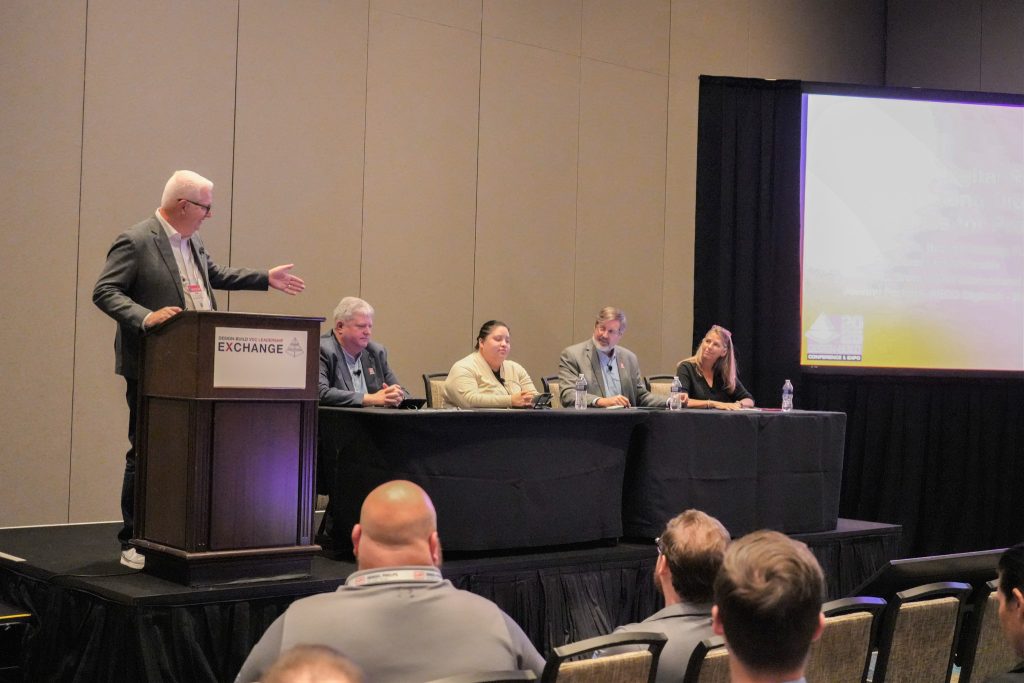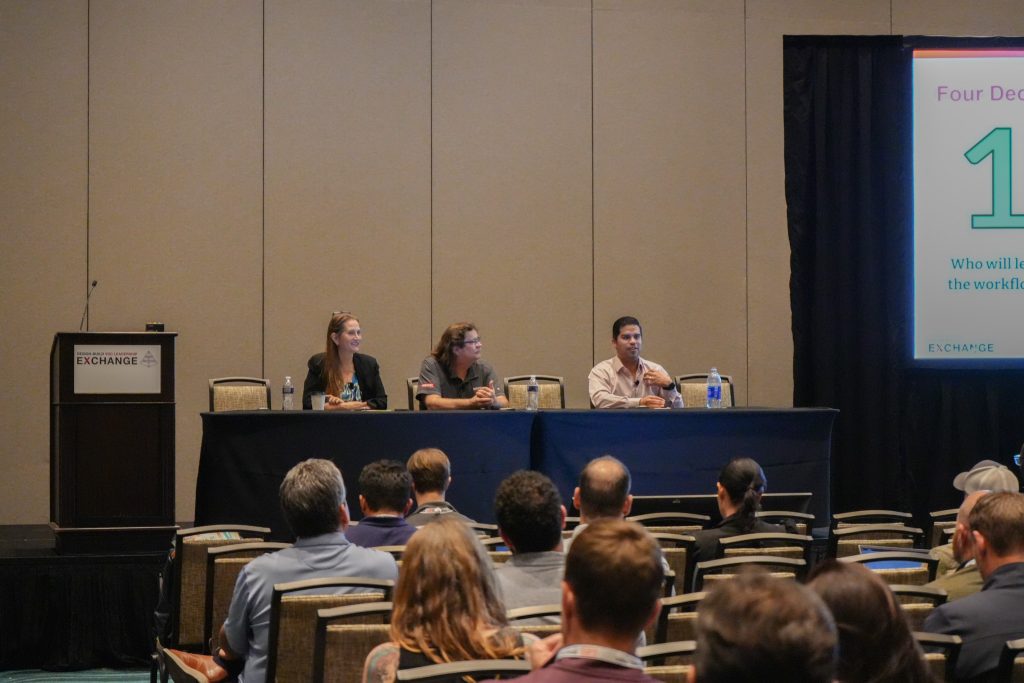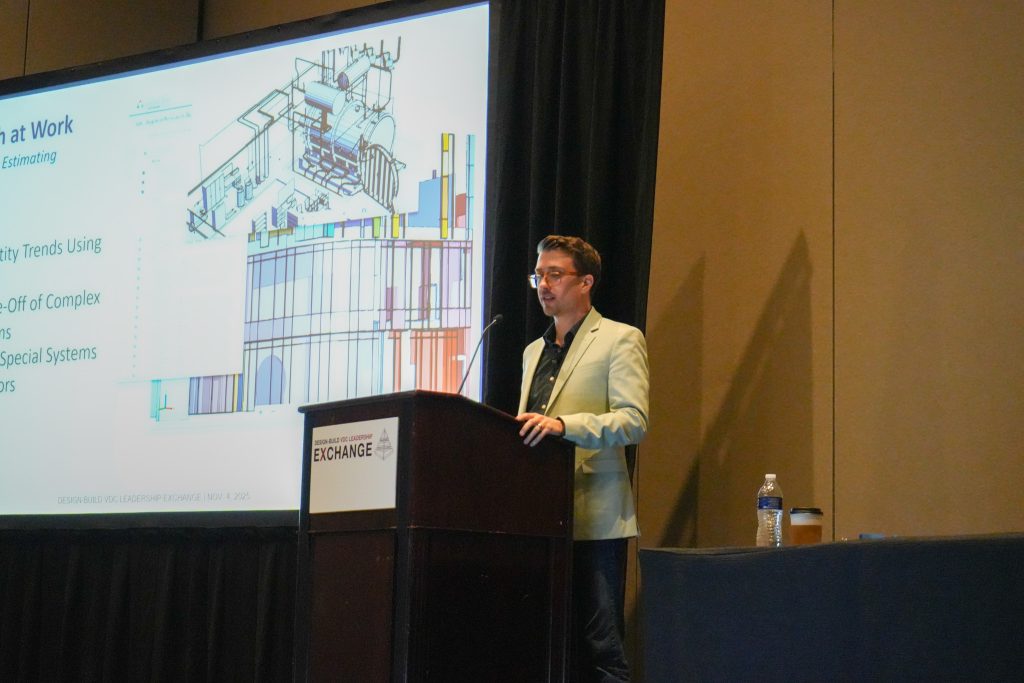
DBIA hosted its third Virtual Design & Construction Leadership Exchange (VDCLEx) during the 2025 Design-Build Conference & Expo in Las Vegas earlier this month. This half-day pre-conference program highlighted how digital practices are reshaping project delivery, underscoring that technology has become a core enabler of collaborative, high-performing design-build teams. Attendance grew by more than 30% this year, with a strong mix of VDC and non-VDC professionals and both public and private Owners. Many of this year’s presentations took a forward-looking view of tangible ways design-build teams are using technology to drive value and innovation.
Design. Build. Transform: VDC’s Evolving Role
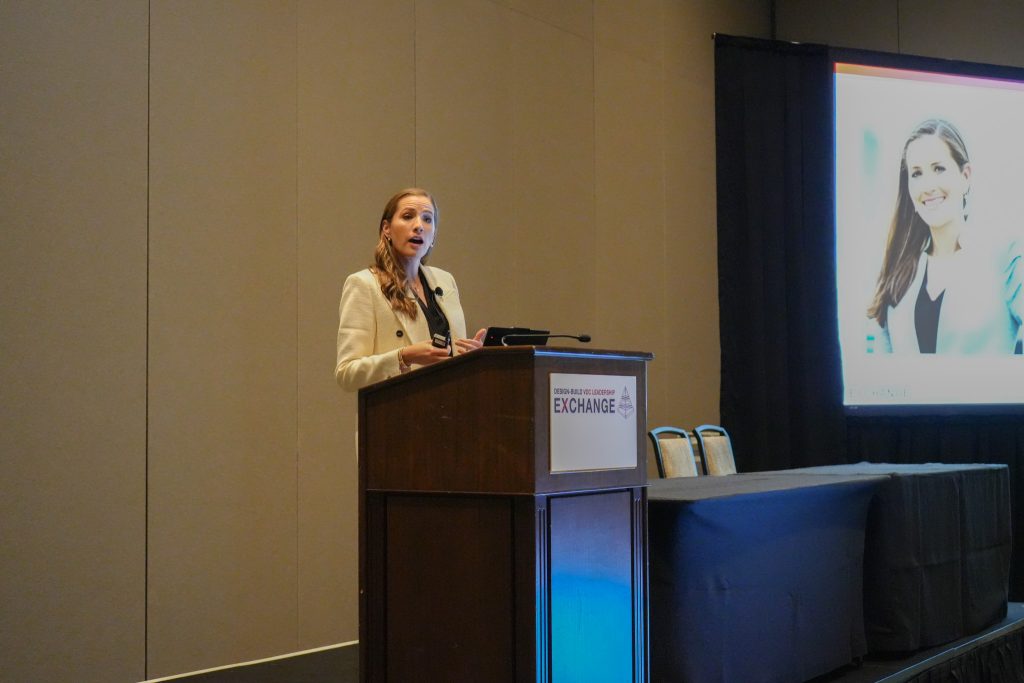
The day opened with Danielle Dy Buncio, CEO of VIATechnik, who reframed VDC’s purpose and potential in design-build. Reinforcing an essential distinction — BIM is a noun; VDC is a verb — she emphasized that technology alone cannot deliver results. Strong workflows, empowered people and aligned processes must work together to support project and Owner objectives, echoing the Stanford Center for Integrated Facilities Engineering’s (CIFE) VDC Framework.
Dy Buncio shared multiple case studies illustrating how VDC de-risks design, handoff and construction while demonstrating the need to keep investing in VDC to deliver value throughout the building lifecycle. She urged attendees to assess how their teams use VDC now and to actively move it from stand-alone or siloed, value-add use into its rightful place as the project’s “central nervous system.”
VDC Professionals Track
Robotic Layout and VDC’s “Last Mile”
In “VDC’s Last Mile: How Multi-Trade Layout is Redefining Field Execution on Complex Design-Build Projects,” McCarthy Building Companies and Dusty Robotics addressed a common challenge: 89% of field professionals report difficulty getting the information they need to build efficiently. Traditional layout workflows have become a bottleneck.
Their joint case study showed how robust early VDC planning enables robotic multi-trade layout, reduce rework and risk, provide faster layout execution and more efficient placement of work. On one $1 billion healthcare project alone, there was more than 3,000 hours of layout labor saved by building to the model.
Panel: Doing VDC Right (and Wrong)
In “Three Builders, Two Projects, One Vision,” VDC leaders from Hensel Phelps, CFR Engineering and Turner Construction examined the real-world impact of alignment, especially around levels of development for mechanical systems. They made the case that clear expectations enable reliable model deliverables and better decision-making.
Turner shared how pairing VDC with prefabrication supported success on a complex airport project at SFO. Laser scanning allowed the team to develop a logistic plan optimizing the placement of modules on the site while easily identifying non-constructable elevation differences that would have created larger installation issues.
VDC for Non-VDC Professionals
University of Arizona Applied Research Building
SmithGroup and McCarthy showcased the University of Arizona’s 89,000-square-foot Applied Research Building, a 2024 winner of multiple DBIA Project/Team Awards including Project of the Year. The panelists used the project to demonstrate how “Design-Build Done Right® is done with VDC.” With a dedicated VDC Project Leader, the team used digital tools across multiple dimensions, including design coordination, site safety, model-based estimating and installation planning for the facility’s thermal vacuum chamber. The results underscored VDC’s impact in design-build: the team delivered a complex project with only 7 ASIs and 99 RFIs.
Sutter Health Santa Clara RAC
HGA, Buehler Engineering, DPR and Sutter Health detailed how VDC is integrated into their tenant improvement program spanning more than 320,000 square feet across three buildings. With speed-to-market as a driving objective, VDC scheduling was embedded into Takt and pull planning, aligning design, procurement and installation.
With speed-to-market as a key driver, the team integrated the VDC schedule into their Takt and pull planning efforts to support schedule optimization and hit target installation dates. Designing for prefabrication and procurement helped the team identify repeatable assemblies, such as multi-trade above-ceiling racks and standardized drywall partitions, to streamline installation and support field execution. Model-based progress tracking built trust in the VDC process, realizing a 5% reduction in total MEP and drywall labor hours and pointing to up to 10 months of potential schedule value through continued innovation.
Closing General Session: Owners and the Digital Shift
Closing out the VDCLEx was a panel discussion on the Owner’s digital revolution moderated by AECO Digital Technologies, offering perspectives from Broward County Construction Management Division, Port of Seattle and VDCO Tech. The panelists focused on how evolving VDC standards and processes are reshaping project delivery and collaboration in design-build and reinforced the event’s opening message that a VDC framework must start with the client and project objectives. When teams align with industry standards and best practices and maintain strong data integrity, digital practices become part of core business operations, unlocking truly integrated, transparent and predictable delivery.
Good data, they noted, pays for itself.
Looking Ahead to Next Year
The 2025 VDCLEx reinforced a clear industry trajectory that VDC is no longer an “innovative feature.” It is becoming the operational backbone of successful design-build teams.
Across both VDC Professionals and Non-VDC Professionals tracks, presenters highlighted how aligning people, processes and technology around shared goals drives measurable improvements in efficiency, quality, risk reduction and lifecycle performance. From robotic layout to model-based estimating, prefabrication strategies to Owner-driven digital standards, presenters and attendees reiterated that when VDC is embedded early and continuously, it transforms what teams can deliver.
DBIA thanks all presenters, attendees and sponsors for another impactful VDCLEx. We look forward to continuing the digital innovation conversation throughout the year and seeing everyone in Cleveland in 2026.
Interested in learning more about these VDCLEx sessions? Be on the lookout for conference recordings available to purchase in early December through DBIA’s Learning Center.
VDCLEx Premium Sponsors
VDCLEx Supporting Sponsors