
There’s a quiet shift happening on design-build projects.
It isn’t as flashy as 3D models or as groundbreaking as generative design, but it’s reshaping how teams make decisions, how leadership tracks progress and how risk is managed. That shift is being driven by integrated analytics.
At Arth, we often say digital success in construction isn’t about the tools; it’s about the behavior those tools enable. When implemented thoughtfully, these analytics platforms go beyond reporting data to drive accountability, reveal trends and help teams move from reactive firefighting to proactive planning.
On one of our recent design-build infrastructure projects, the team struggled with fragmented updates. Schedule reviews happened in isolation and decision-makers often lacked a clear line of sight into what mattered most.
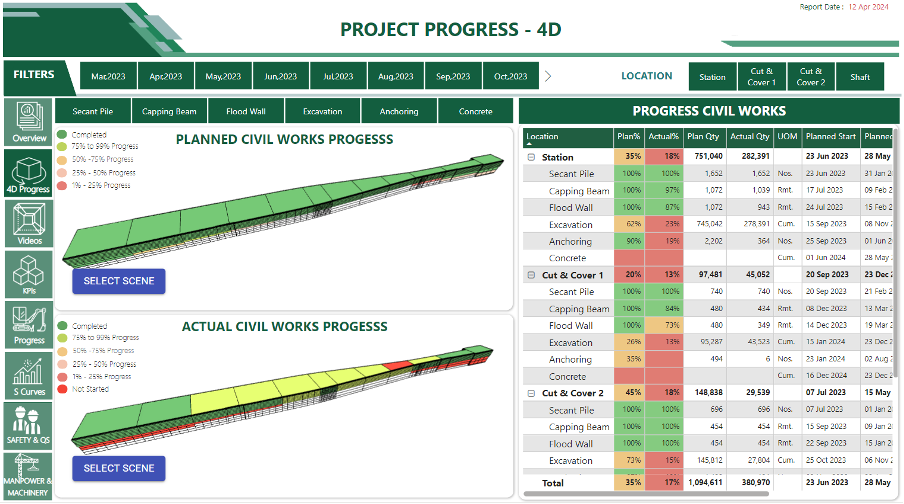
We deployed a set of integrated analytics tools tailored for different stakeholders, site engineers, project managers, planners and executive leadership. The data flowed in from multiple sources, including Primavera schedules, BIM-based quantity takeoffs, 4D simulations and even field entries. The result was that everyone started speaking the same language.
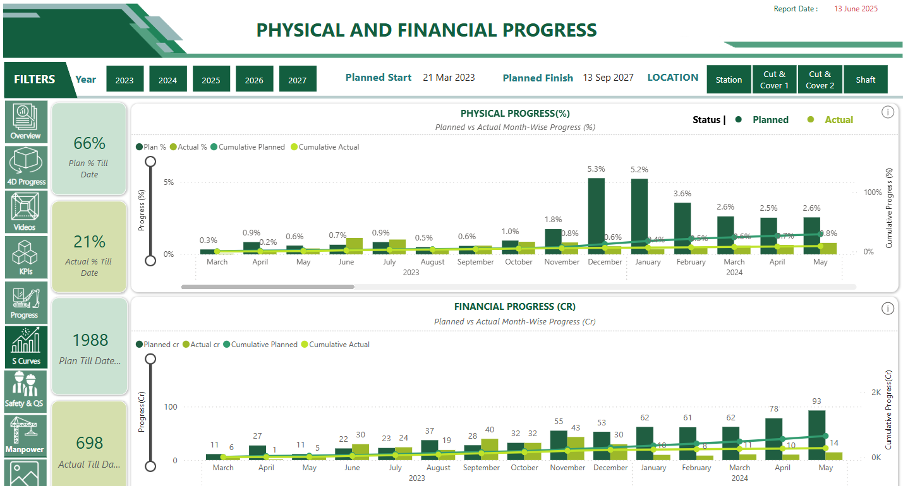
- S-curves for physical and financial progress made review meetings faster and more focused.
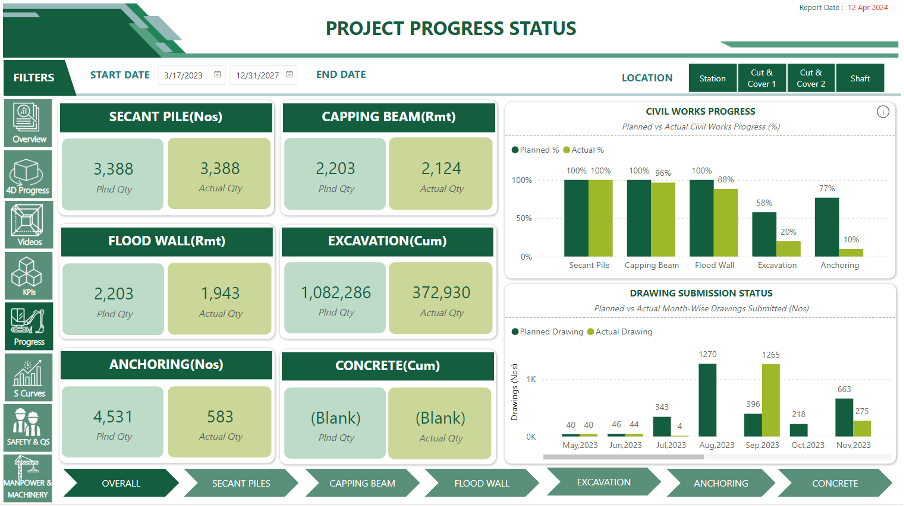
- Progress trackers helped identify slippages early.
- Issue heatmaps revealed zones under pressure.
- Instead of relying on anecdotal updates, we had real-time performance indicators at our fingertips.
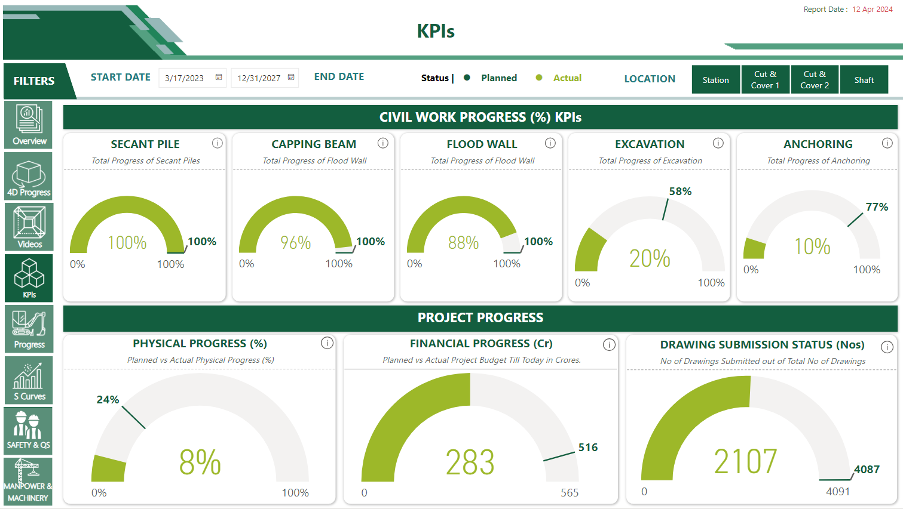
Visualization is just the beginning. What follows is a disciplined, data-driven evolution.
A system is only as good as the consistency of data behind it. That’s why our approach to analytics is always tied to process digitization. From standardizing how field updates are logged to creating templates for daily reporting, we ensure the data pipeline remains clean and reliable. Only then can integrated analytics evolve from static visuals to decision-driving tools, instead of just digital wallpaper.
The real win is these systems don’t just serve the current project. They build the foundation for institutional learning. When design-build teams have access to clean, contextualized data from previous cycles, they plan better, forecast with confidence and replicate success.
And looking ahead, this data is what will power the next phase of construction intelligence: AI-driven decision-making. As integrated analytics mature, they’ll not only show what’s happening on-site but begin to predict what’s likely to happen next. From automated risk detection to schedule optimization, the future of AI in design-build will be built on the data discipline we practice today.
As design-build delivery continues to evolve, the winning teams will be those that embed analytics from day one. These tools don’t replace leadership, but they give leaders sharper visibility, faster feedback and the discipline to act early. In a world where time, cost and quality constantly compete for attention, that edge makes all the difference.
Kailash Chandola

Kailash Chandola is the Founder and CEO of Arth, driving innovation in digital construction technology across global markets. His expertise spans BIM, VDC, Digital Twin and integrated analytics, empowering design-build teams to transform data into decisive, timely actions. Under his leadership, Arth has led the successful delivery of complex infrastructure, healthcare, commercial and residential projects in multiple geographies. Kailash is passionate about bridging the gap between vision and execution, ensuring time, cost and quality stay in perfect balance. His forward-looking approach positions Arth at the forefront of construction’s AI-powered future.
About Arth

Arth is a construction technology and BIM consulting firm focused on enabling smarter delivery across the project lifecycle. We partner with owners and design-build teams to bridge the gap between ambition and execution — with precision, insight and discipline.
