

When it comes to giving women an equal opportunity to succeed in the construction industry, the New York City Department of Design and Construction (DDC) is leading the way.
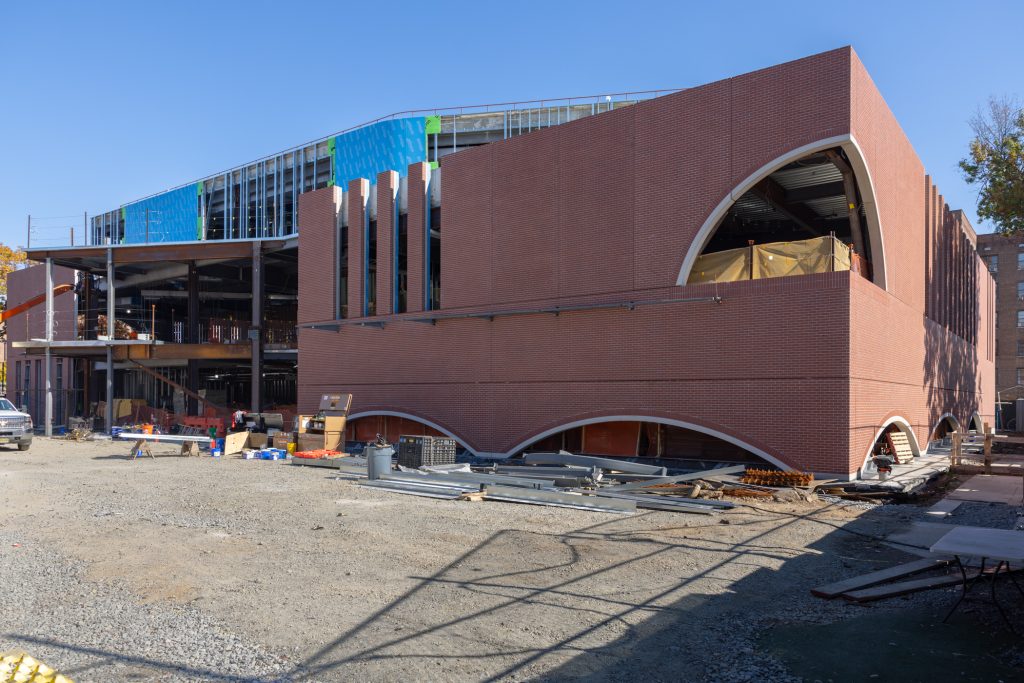
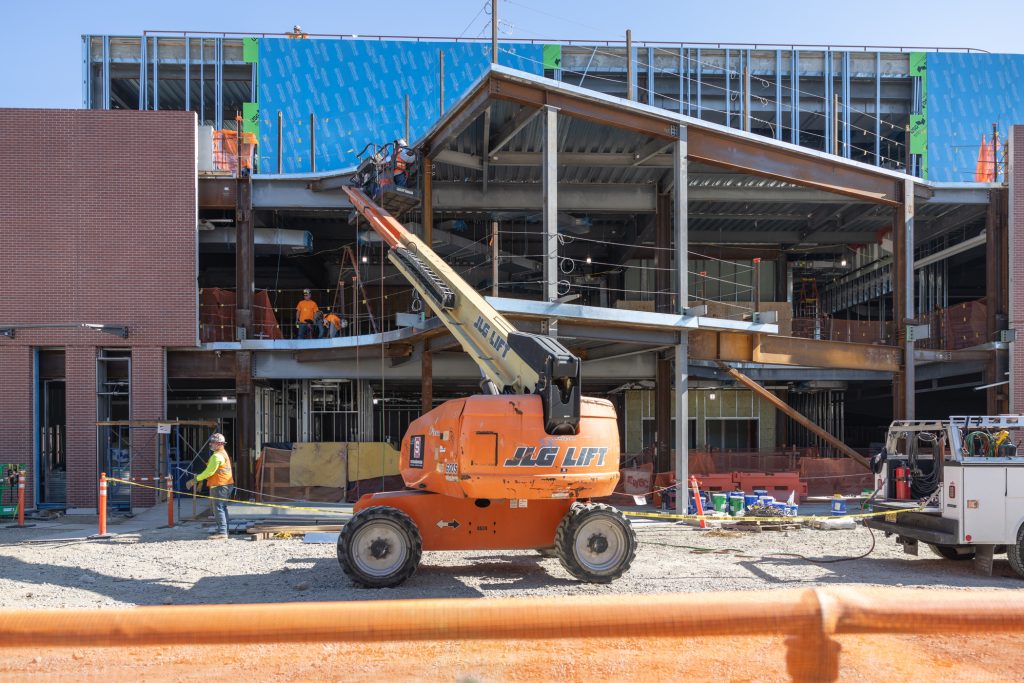
One of DDC’s flagship design-build projects, currently set to open in fall of 2025, is East Flatbush, Brooklyn’s Shirley Chisholm Recreation Center. The development of the $141 million, 74,000-square-foot, state-of-the-art facility is being led by an all-women team of four project managers. Their leadership is a rarity in an industry where women make up just over 14% of the workforce and an even smaller fraction of leadership roles.
The Team Behind the Nickname
Senior Project Manager Hanan Benjamin; Deputy Director Francoise Fortune-Blanchard, LEED AP, CCM; Deputy Director Daphne Lasky, AIA, Assoc. DBIA; and Assistant Commissioner Lucy Wong make up the members of the leadership team nicknamed “the Fab Four.”
“The Fab Four name was not city-sanctioned; it was a team-building exercise,” Wong said. “It was built amongst the four of us. Every time we had small wins, we would say, ‘This is fabulous. The Fab Four did it again.’”
According to Wong, it was Benjamin who named the group’s Microsoft Teams chat, where the phrase took off and eventually reached now-former DDC Commissioner and Chair of DBIA’s Board of Directors Thomas J. Foley, P.E., CCM, DBIA, and New York City Mayor Eric Adams, who brought the nickname into the spotlight.
“It started as an inside joke before the name was overheard, and everyone loved it,” Fortune-Blanchard said. “Now it’s stuck with us.”
Design-Build in Action
Benjamin, Fortune-Blanchard, Lasky and Wong agree that having a project led entirely by women in the construction industry is rare, and for multiple team members, the Shirley Chisholm Recreation Center is also their first design-build project.
“The design/bid/build process keeps people out of the room. It keeps architects and contractors separate, and it means at times you purposely can’t talk to [other] people on a project,” said Lasky, who has become an advocate for the growth of design-build within the DDC. “We have so much more certainty on a design-build project when we get to have the whole team in the room.”
“Our partnership and engagement with the design-builder has led to the project’s success,” Wong said. “We were able to connect with the design-builder through collaboration and transparency with the project schedule. We built trust.”
Their approach reflects DBIA’s Design-Build Done Right® Universal Best Practices: engaging all key stakeholders early, fostering open communication and building trust across the team. By leaning on collaboration and integration, they’ve been able to embody the principles DBIA promotes nationwide.
DDC itself has become a model for how municipalities can successfully apply design-build to major public programs. The agency has built out a robust design-build portfolio and shares lessons learned on its Design-Build program page, as well as through its close partnership with DBIA.
A Decade of Advocacy Pays Off
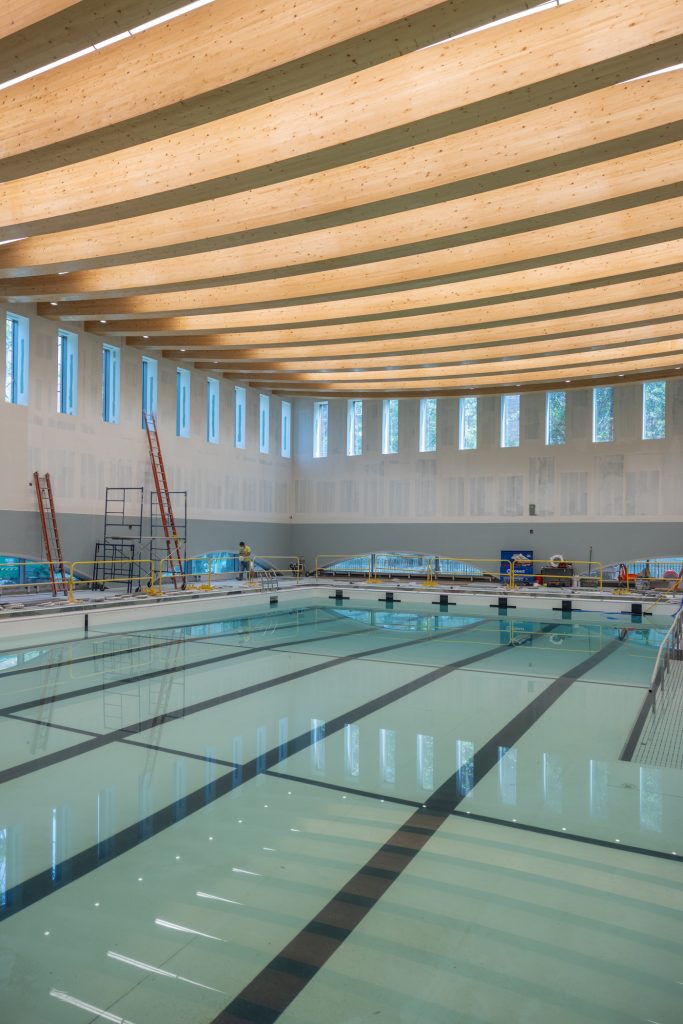
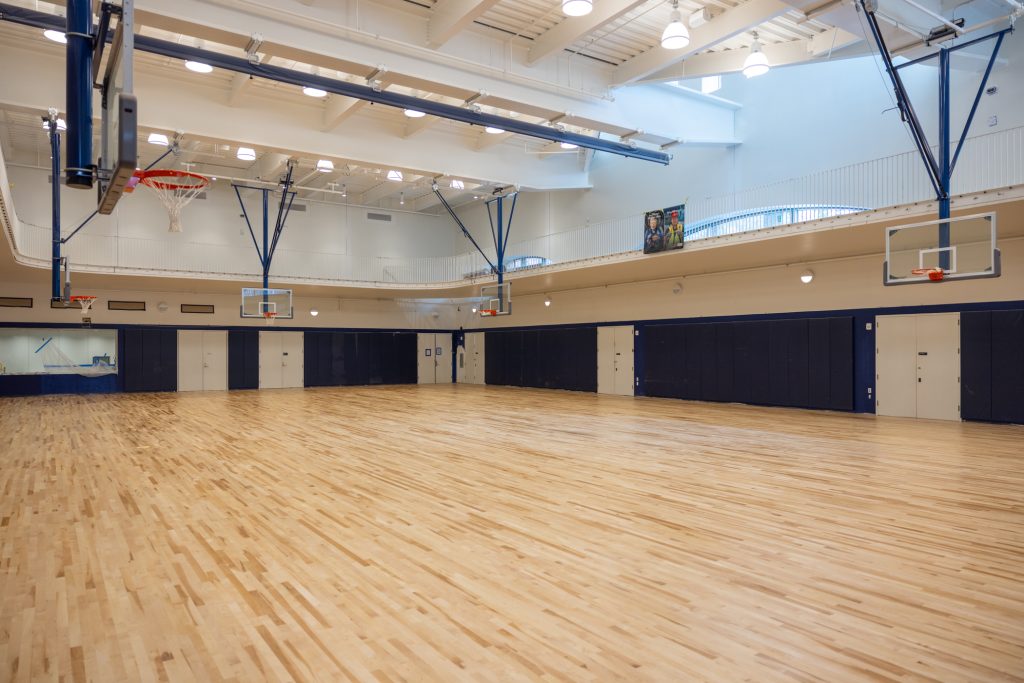
Lasky said the Center itself was the result of more than 10 years of community advocacy for a full-scale center, which will include an indoor swimming pool, gym, walking track, fitness rooms, teaching kitchen and a public plaza. The Center seeks to become a hub for recreation and community building in the heart of Congresswoman Chisholm’s congressional district.
Chisholm was the first Black woman to serve as a congressional representative and the first Black woman candidate for a major party’s presidential nomination when she ran as a Democrat during the 1972 primary.
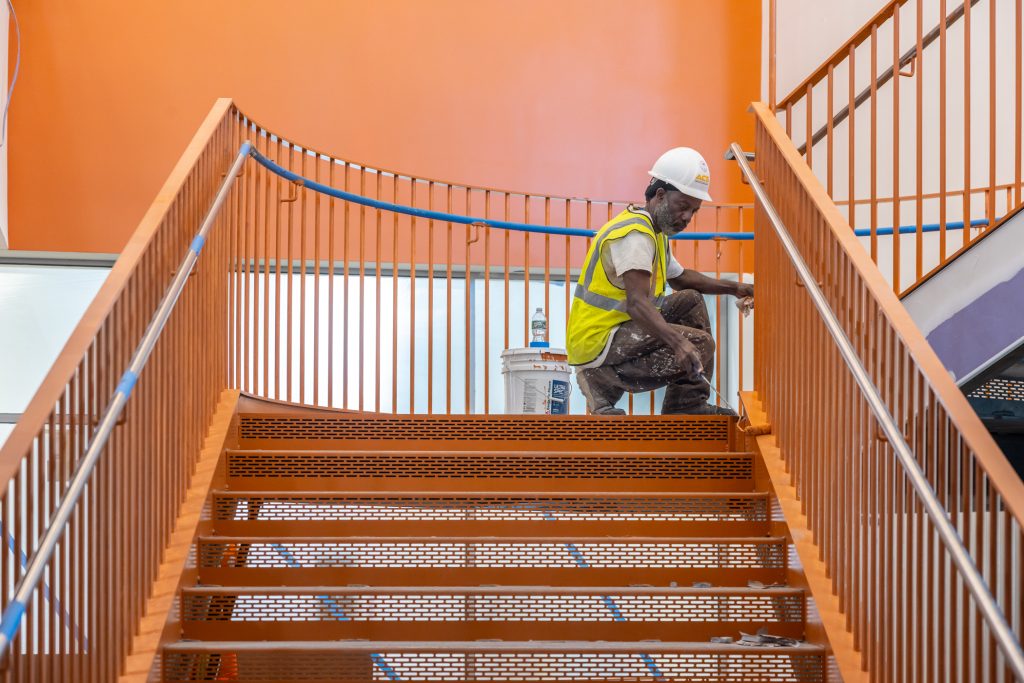
“The color scheme in the building is drawn from Shirley Chisholm’s wardrobe and from her campaign buttons,” Lasky said. “So she’s really there in spirit.”
Beyond the design of the building, there has been an effort throughout the construction process to engage with a group of kids in the community to teach them more about the Congresswoman’s legacy.
“We led a talk about the new recreation center, but at the same time, we also had the opportunity to be able to teach them who Shirley Chisholm is,” Fortune-Blanchard said.
“Having an all-women leadership team in charge of managing this state-of-the-art facility pays homage to Shirley Chisholm’s legacy,” said Eduardo del Valle, Acting Commissioner of the NYC Department of Design and Construction. “Shirley Chisholm was a true leader. DDC’s ‘Fab Four’ team is relentless and hardworking, succeeding in a male-dominated field like Ms. Chisholm.”


Challenges and Opportunities
Just like the former Congresswoman, the Fab Four are also trailblazers in an industry where women remain a small minority. All four members have faced being underestimated on a job site. “It’s very important that any woman in construction anticipates this,” Benjamin said. “For a woman to work in construction, she has to put in extra effort.”
Wong reflected on how even misunderstandings can provide opportunities to grow. “We could write a book about initial judgments,” she said, but she added that quick resolution of those judgments and misunderstandings not only increases collaboration but can be “pivotal moments where you learn to command differently.”
Today, women make up 14.3% of the construction workforce, an all‑time high but still a relatively small share overall. Representation is especially thin in senior leadership. Barbara Wagner, LEED AP, FDBIA, underscored this point in “Show Me Your C-Suite,” a 2024 Bonus Content Episode of the Design-Build Delivers Podcast: “The challenge is not just that 14%. When you break it down by level of career, you see how few women make it into the top tiers of leadership. And that’s the challenge.” Recent reports show women account for less than 10% of construction managers and about 11% of leadership roles overall.
Still, there are signs of growth. The U.S. Bureau of Labor Statistics reports that between January 2020 and January 2025, the number of women in construction grew by 21% compared to just 8% for men.
Representation and Barriers
President and Owner of construction management firm Rayaec Inc., LaDrena Dansby, PE, DBIA, told the Design-Build Delivers Podcast in a 2024 episode called “Blueprints to Inclusion” she believes more awareness of what the construction industry offers could attract more women to the field.
“Most people think about swinging hammers when you say construction,” Dansby said. “But we have management. We have accounting. We have a diverse array of skills in this business.” These skillsets have helped women advance despite the low overall percentage of women in construction leadership.
Lasky points out that landing a job with “really good mentors” and making the effort to “look for good people” to form bonds with is critical when starting out.
These initiatives matter. As Wagner pointed out, many clients are beginning to ask not only about the composition of project teams but also about representation in the C-suite. “It helps push all of us to do the right thing,” she said.
Even so, shifts in training and support programs have made advancement harder. Advocates warn this may discourage women from construction careers, even as demand grows. At the same time, new initiatives are working to bring more women into trades and management by breaking stereotypes and opening awareness as early as middle school.
Despite those struggles, Fortune-Blanchard feels now is the time for women to shine. “Although the glass ceiling still exists,” she said, “women are also more respected, and you will meet more women in leadership roles to set that example for young people.”
Special Team Connection Benefits a Community
Del Valle highlighted DDC’s broader commitment to its people and culture. “DDC is one of the most globally representative agencies in New York City with an amazing staff from over 65 countries of origin,” he said. “We’re excited to bring this new Center to East Flatbush and are immensely proud of the ‘Fab Four’ team for making this possible.”
Although the team has had their fair share of experience, Wong believes this project has led to a special connection. “They are as passionate about the work as I am,” she said. “I’m glad I was able to come onto a project with like-minded women.”
DDC’s Shirley Chisholm Recreation Center will serve as a community hub, a gathering place shaped by years of advocacy. Its delivery under the leadership of the Fab Four underscores both how far women have come in the industry as well as the barriers they continue to push against.
