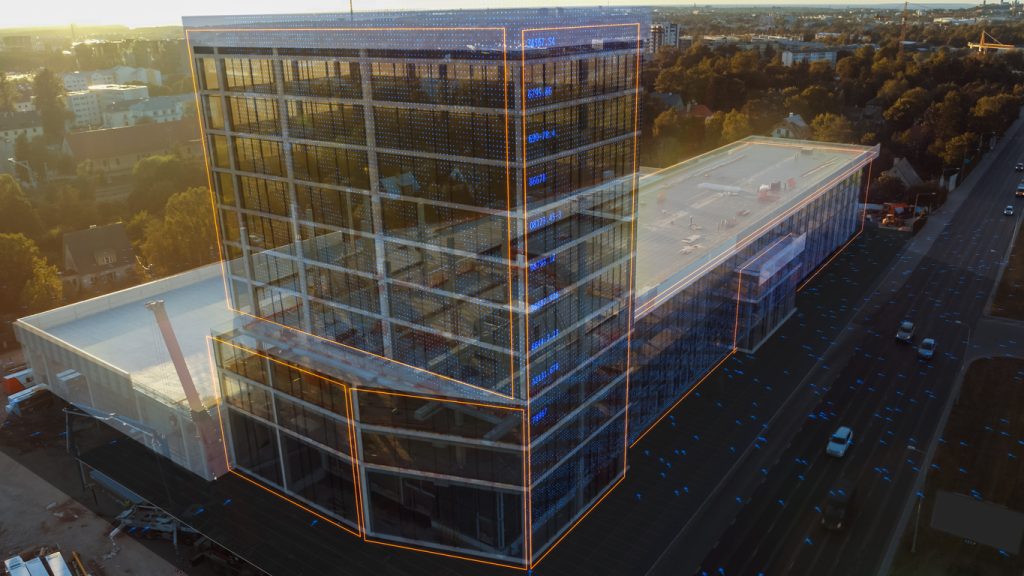
Two forces are redefining how modern buildings are designed and delivered: design-build delivery methods and building information modeling (BIM).
There are some notable similarities between BIM and design-build. Both approaches were historically seen as leading-edge, rarely deployed except on complex or high-dollar projects. Now, both design-build and BIM are commonplace.
Another key connection: both BIM and design-build can drive improved project outcomes. That’s particularly true when they’re used together. To unlock wins, though, teams need to validate the model in a structured, consistent and comprehensive way.
When firms tackling design-build jobs model the project in 3D to verify the planned work, it unlocks wins. Here are four specific ways model-checking helps design-build projects.
#1: Maintain Design-Build Agility with Validated Models
Many Owners choose to bring design and construction under one roof because design-build often yields faster project delivery. In large part, that speed comes from flexibility. Design and construction can happen concurrently because the design team and the team in the field are within the same organization. Communication flows and collaboration is built in.
That means that any design changes should feed seamlessly to the jobsite.
When the firm has a model and checks that model, it usually is seamless. Teams validate design changes in the office before deploying them to the field. Checking for clashes, clearances and more makes sure any adjustments are buildable, facilitating that seamless flow.
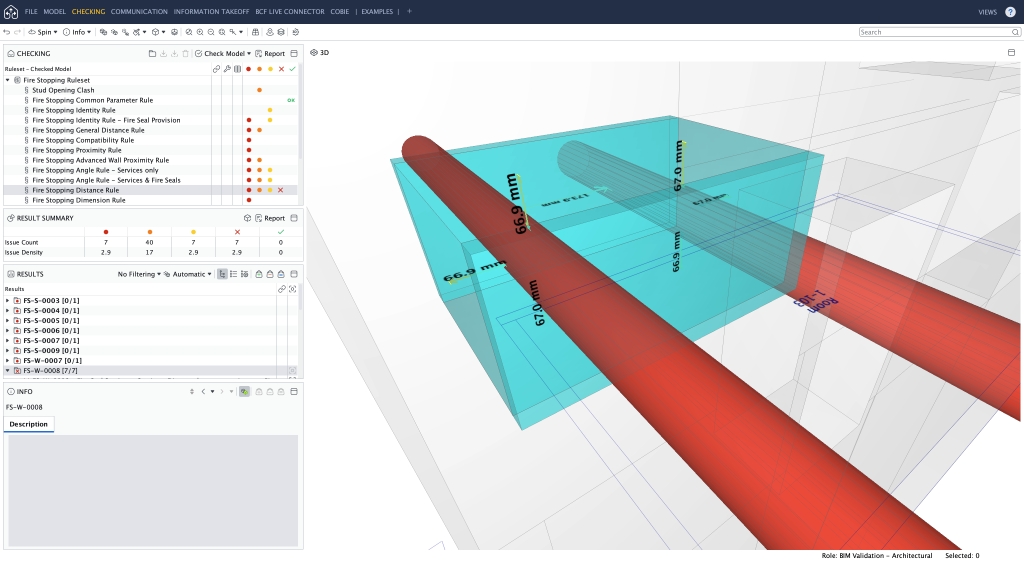
Take fire safety as an example. A design change might alter the layout or purpose of a space. Model-checking makes sure the appropriate fire safety measures get built into the updated design.
In short, with model-checking, BIM helps design-build projects maintain their flexibility while ensuring buildability and compliance. The team can iterate quickly and confidently.
#2: Reduce Risk and Strengthen Accountability
Successful design-build projects center on one company taking on the responsibility for the design and the construction of that design. That also means they take on all the risk. With a validated model behind them, they get risk mitigation that helps them move toward an on-time, on-budget project delivery.
Model-checking supports the cross-functional collaboration that design-build teams need. When teams continuously verify the model, they catch issues early when those fixes are cheapest and easiest. This reduces rework and myriad negative impacts it has on a project, from increased costs to delays to heightened safety risks.
With a validated model, every team member gets a compass to guide them. Each department and the project as a whole move in the same direction.
If the design-build firm has advanced its BIM maturity, the model becomes an increasingly powerful de-risking tool. 4D BIM improves construction sequencing and helps to catch schedule conflicts early. 5D BIM supports real-time cost estimation that’s accurate, providing the transparency necessary for strong cost control.
Firms are increasingly tapping into the potential here. A recent buildingSMART international survey found that 31% of respondents are using 4D BIM and 27% have tapped into 5D BIM.
#3: Bridge Experience Gaps with Rule-Based BIM
When a firm has its own in-house design function, it needs to trust those designers. With model-checking to back any architectural efforts, everyone can rest easy knowing what looks good will actually be buildable, too. By checking for potential issues in construction sequencing and geospatial coordination (including necessary clearances), model-checking bridges any constructability skills gaps on the design team.
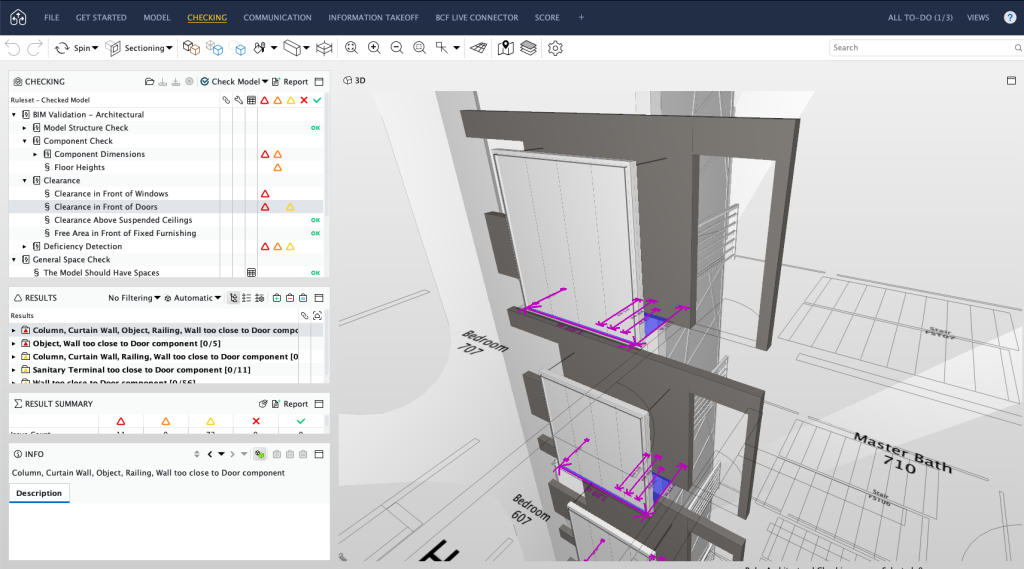
For anyone in the office developing the model, the right use of BIM further supports optimal outcomes even from less experienced staff. The firm can capture institutional knowledge and the experience of seasoned team members in rules. Applying those rules to the model and using a solution to check against those rules overcomes skill gaps.
That bridging continues into the field, too. The construction industry currently stands short about a half-million workers, per Census data.
Validated BIM gives teams support to overcome any skills gaps on the jobsite. With the model to guide the work, team members can visualize the work before they get started, helping them complete installation more efficiently and accurately.
If the firm shares the model with trade partners, this trickles outward to their installations, too.
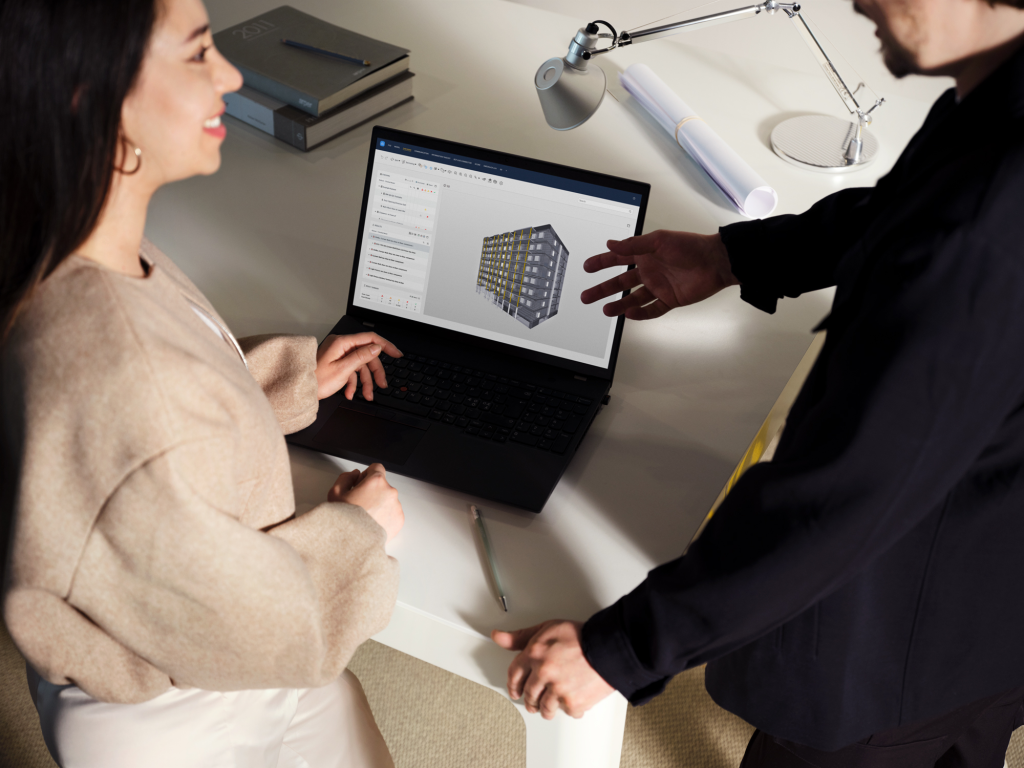
#4: Deliver Proven Value and Seamless Handover to Owners
When the design-build firm applies BIM to the project, they end up with a valuable asset to hand to the Owner: the as-built model. With the data-rich, verified model in hand, maintenance and future renovations become much more manageable for the Owner. As a result, more and more Owners now require the as-built model at closeout.
On a design-build project, there’s no other stakeholder who might create that model, pulling the work off the company’s plate. Internal BIM capabilities allow the firm to meet this increasingly common handover requirement.
Model-Checking: The Key Link Between Design-Build and BIM
Many design-build firms use BIM. The true power in that modeling effort doesn’t just lie in creating a 3D rendering of the project, though. It centers on using the model to confirm the plan is feasible and aligns with the project’s requirements. Model-checking makes that connection, and closing that loop pays off — literally.
Design-build thrives on integration — and so does Solibri. Our rule-based model-checking ensures every design change, cost estimate and as-built handover is validated for accuracy and compliance. Discover how Solibri helps design-build firms deliver faster, safer and smarter projects at www.solibri.com.
