
When right-of-way acquisition threatens to derail your $1.5-billion-dollar project, you have two choices: wait and hope it resolves itself, or eat the frog early.
Most people define project success by whether it finishes on time or on budget. And yes, that matters, but what really determines success is how we get there. Do we address challenges head-on by “eating the frog early” or wait until they grow into project-killing constraints?
I approach delivery through four core principles I’ve refined over time:
- Foundational Priorities: understanding the work in the field and aligning priorities early,
- Prevention: addressing challenges before they grow,
- Focus: keeping technical work focused and separate from financial discussions and
- Leadership: empowering people to lead.
Foundational Priorities
Every effective project delivery strategy begins with experience in the field.
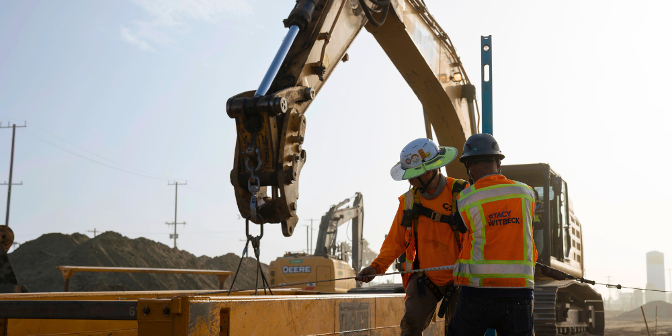
Like many of us in the industry, my career started as a laborer during college summers, then progressed through internships, construction, design and eventually leading mega programs for a DOT. That experience taught me a lesson I’ve carried into every project: if you don’t understand the work in the field, you can’t lead the work in the office.
On one design-build project, that principle was put to the test. Right-of-way (ROW) was not originally part of the scope, yet it had a significant impact on schedule and sequencing. To address this, we created a task force with senior-level co-leads from both the contractor and client sides. The team dug into the issue, understood the client’s process and timelines and identified properties that might require condemnation. This careful risk analysis allowed the schedule to be sequenced properly and prevented delays before they could occur.
That shift led to resequencing work, adjusting responsibilities and making short-term concessions that no single firm would have chosen on its own. The result was a more efficient construction plan, fewer downstream conflicts and a schedule that held. In the long run, everyone benefited, not because their individual priorities won, but because the project did.
This is where design-build creates real leverage. Design-build brings Owners, designers and contractors together early, when priorities can still be aligned and tradeoffs can be made deliberately rather than defensively. When teams are willing to set aside individual or firm priorities in the short term, design-build allows the group to optimize decisions around constructability, risk and delivery, not just contractual responsibility.
Prevention
Addressing challenges before they grow — or, eating the frog early — is central to proactive project management.
While this mindset often shows up during delivery, it is most critical at project startup, when decisions, assumptions and roles are still taking shape.
At startup, unresolved issues do not disappear. They harden into constraints that later surface as schedule impacts, cost pressure and strained relationships. Eating the frog early means being willing to surface uncomfortable topics when there is still time and flexibility to address them.
Sometimes that requires going beyond the contract requirements. It may involve assisting in areas a contractor does not typically manage, such as the RUPID process: Right of Way, Utilities, Permits, Interagency Agreements and Design. When these elements are not fully understood and sequenced early, they can quickly become critical path risks.
Collaborative delivery methods like design-build reinforce this approach. Extended preconstruction periods allow teams to surface risks, align expectations and solve problems collaboratively. Eating the frog at startup sets the tone for how risk is handled throughout the project and ensures construction begins focused on delivery, not recovery.
Focus
Once risks are surfaced, teams must focus on solving them in a way that keeps the project moving forward.
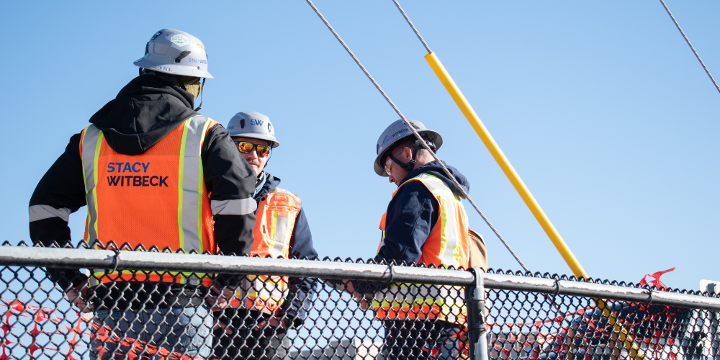
In today’s complex infrastructure projects, competing priorities are everywhere. To maintain focus, teams must keep the project’s best interest front and center, even when financial or organizational pressures push in different directions. Separating technical problem solving from financial responsibility helps keep that focus intact.
On a previous project, we held what we called a critical path meeting. During preconstruction, it was designed to knock down all obstacles to getting the project started. It was so successful that we continued it through construction to keep work moving. The focus was 100% on the schedule, identifying impediments and removing anything standing in the way of getting work done.
Separating technical discussions from financial ones reinforces that focus. Financial conversations typically center on responsibility, which can distract from the problem at hand. When technical experts can focus purely on problem solving, they often arrive at the best solution regardless of who covers the cost. This approach allows the team to stay aligned and move quickly, while the financial team handles the cost decisions separately.
Leadership
Build teams around people, not org charts.
Phil Jackson, the legendary NBA coach who won 11 championships, wrote about developing a philosophy rather than a playbook. That distinction has shaped how I build teams: create a culture and philosophy, communicate it clearly and empower people to make decisions in real time. When you do that, people feel better, enjoy their work more and don’t feel like they’re under your thumb.
Leaders make their biggest mistake when they create an org chart defining positions and then try to jam individuals into those boxes. Yes, you need a plan. But you also must tweak it based on the people you have and their individual strengths, not just their years of experience.
On a recent project, I had a mid-level engineer who was exceptional at facilitating difficult conversations between stakeholders. Instead of keeping her in a purely technical role, we adjusted the structure to put her in front of utility coordination meetings. She thrived, the utilities felt heard and conflicts that typically took weeks to resolve were handled in days. That wouldn’t have happened if we’d been rigid about “who does what.”
Beyond empowering individuals, I focus on training people to lead others. I can train five people directly, but that’s a limited footprint. If I train those five people to lead and mentor others, my influence expands exponentially across the team. I recently saw a quote: you’re not really a leader until you’ve led others to lead. That kind of exponential growth is essential. We can only reach so many people on our own, but through leading others, our impact multiplies.
Success
Delivering a project well is about much more than hitting the schedule or budget.
It is about how teams collaborate, how leaders empower their people and how challenges are addressed before they grow. The projects that succeed are those that align priorities early, prevent issues from becoming constraints and keep the focus on delivery.
Most importantly, they eat the frog early. When teams surface the difficult issues at startup, they set the tone for the entire project and keep the focus on delivery rather than recovery. That combination of proactive risk management, collaboration and leadership is what drives lasting success.
The next time you spot a frog on your project — whether it’s unresolved scope, misaligned priorities or a difficult conversation — ask yourself: will this get easier if I wait? Or should I eat it now?
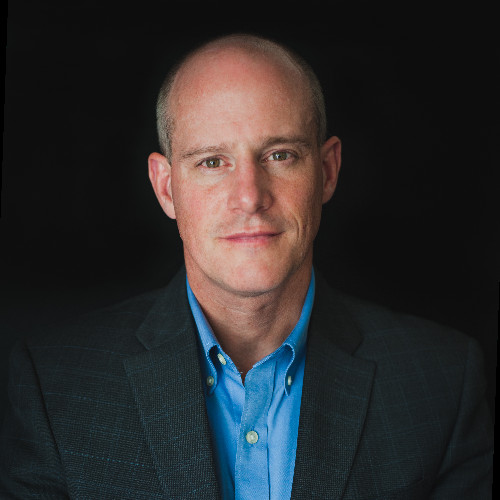
Eric Meisgeier is a project manager at Stacy Witbeck with nearly three decades of civil construction experience, specializing in progressive delivery for major transit and transportation projects across the West Coast
