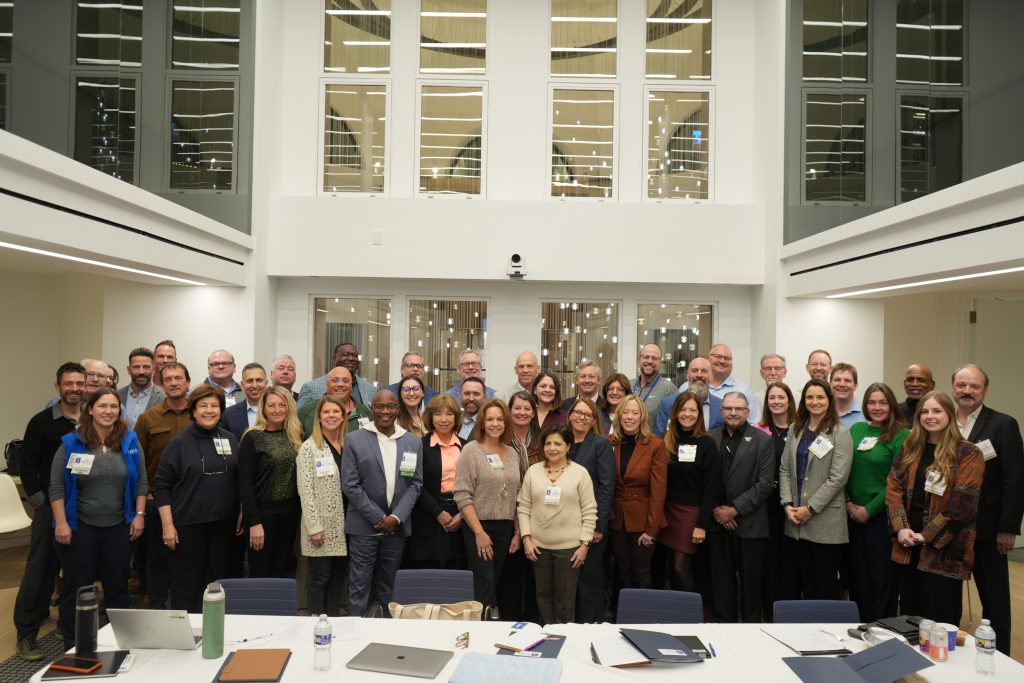
On January 22, leaders from all 14 DBIA regions gathered at DBIA’s Washington, D.C., headquarters for the third annual 2026 Region Leaders Summit. Building on the momentum of previous summits, this year’s gathering –– the first hosted at DBIA National Headquarters –– reflected DBIA’s continued focus on strengthening alignment and collaboration between National and Regions as the organization enters its next phase of growth.
It marked the first time many Region leaders convened in person with the newly established Region Relations team, comprising Richard J. “Rich” Formella, PMP, CPPO, FAC-C III (Retired), FDBIA, as Senior Vice President, with Carissa Linnane, CAE, and Gloria Moore serving as Field Directors for the East and West regions. The focus wasn’t on walking through programs or checking boxes. It was about alignment, relationships and setting expectations for how collaboration will work moving forward.
The creation of the Region Relations team reflects a deliberate shift in how DBIA supports its regions, grounded in consistency and partnership as well as improved communication in both directions. Bringing Region leaders to National was an intentional first step in bringing that plan to life.
“One of the reasons I accepted this role is because I believe this team has the ability to make a real difference,” said Linnane. “Our goal is to operate as one DBIA while still respecting the distinct character and strengths each region brings. Through this work and with the partnership of our region leaders, we’re focused on helping the organization reach its full potential.”
Addressing Challenges, Maximizing Opportunities and Strengthening Collaboration
Throughout the day, conversations centered on how National can better support regional leadership, improve communication and help regions learn from one another, from sharing project experience and legislative wins to aligning messaging and providing clearer points of contact.
“Having these regional liaisons gives me a single place to go to get answers, to be directed to the right people and to help facilitate conversations,” said Florida Region Vice President Lee Hale, PE, Assoc. DBIA (Hale Innovation). “That kind of streamlined communication makes a real difference when you’re working with Owners and agencies.”
Across regions, leaders spoke to different challenges and opportunities, including rapid growth in some markets and rebuilding momentum in others. Still, a consistent theme was the importance of collaboration and intentional leadership.
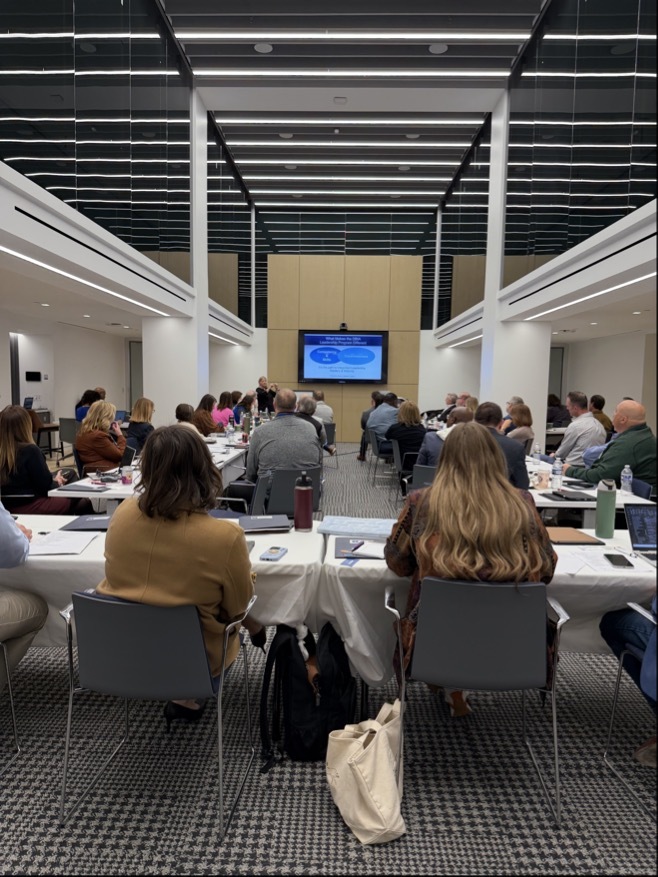
Several leaders pointed to the value of learning from peer regions, particularly as design-build and progressive design-build continue to expand nationwide.
“We were founded as a high-performing upstart, and now we’re ready to scale, to move from building momentum to really solidifying what we do best,” said Rocky Mountain Region Chair/President Cheryl Hoffman, LEED AP BD+C, DBIA (Hensel Phelps), “The new region support structure comes at exactly the right time.”
A significant portion of the summit was dedicated to open discussion, regional huddles and group reflections. This approach created space for leaders to share what they need most from National and from one another.
Those conversations reinforced the importance of clarity and trust driven by ongoing dialogue as DBIA implements its 2025–2027 Strategic Goals. Rather than a one-time meeting, the summit served as the foundation for continued engagement through ongoing one-on-one engagement and region-focused orientation and support.
“One of the most exciting things is being able to help other regions skip the mistakes we made by sharing templates and lessons learned so they can move faster and more confidently,” said Vice President of the Western Pacific Region Steve Wilson, Assoc. AIA, DBIA (HMC Architects).
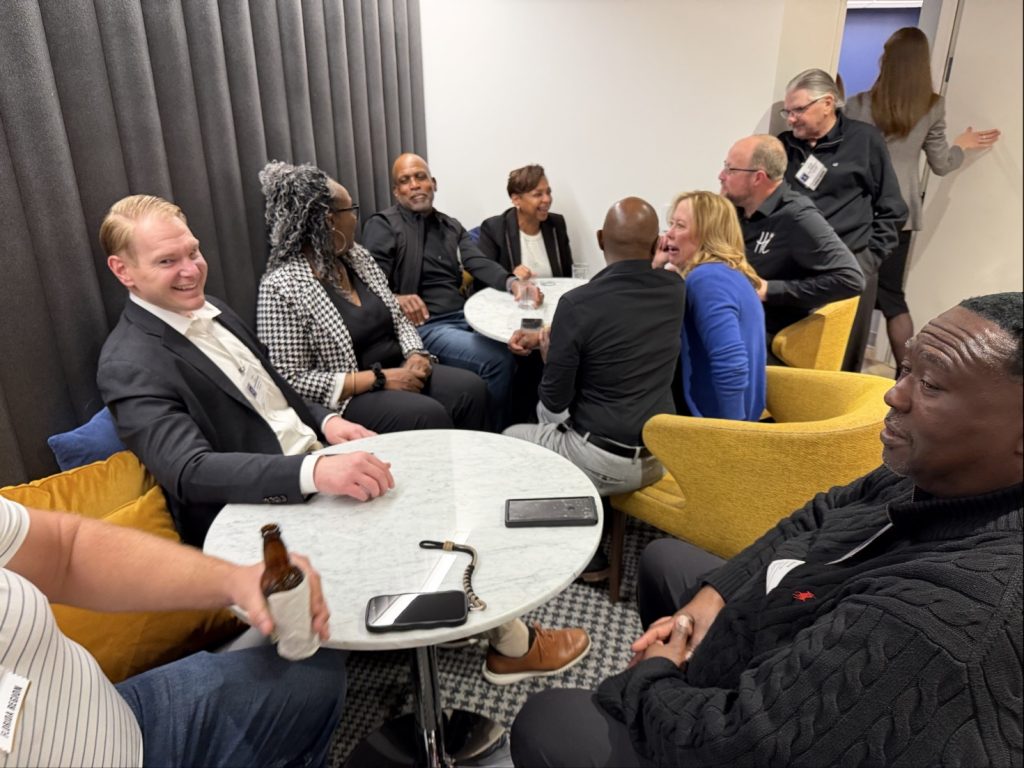
Regions Offer Valuable Connections and Networking
As DBIA moves into 2026, the Region Leaders Summit set the tone for a more connected, coordinated approach to regional leadership rooted in partnership and shared purpose.
What emerged from the day was a shared understanding that DBIA’s regions are a connected national network committed to advancing Design-Build Done Right® across the country.
For DBIA members in any region, that work happens closest to home. Region leaders and the Regions Relations team are already planning events, education and networking opportunities for the year ahead, and members are encouraged to get involved locally by attending Region and Chapter events and connecting with their Region and Chapter leadership. Learn more about DBIA’s Regions and Chapters and find upcoming opportunities near you on the DBIA Regions page.