
The Great Lakes Water Authority (GLWA) operates nine combined sewer overflow facilities that protect the Detroit and Rouge Rivers during wet-weather events. Years of water infiltration, deicing salts and carbonation had deteriorated concrete and reinforcing steel. GLWA needed to extend the structures’ service life without compromising their ability to control overflows.
Because the full extent of deterioration could not be known during procurement, GLWA limited prescriptive requirements and selected a design-build team through a best-value process. Technical approach and team qualifications accounted for 70% of the evaluation, with cost weighted at 30%. After award, inspections documented more than 2,600 defects across the nine facilities.
Prioritizing the Highest-Risk Repairs
The identified needs exceeded available funding, so the team created a risk-based matrix comparing each defect’s probability of failure with its potential consequences. That framework allowed GLWA to direct funding first toward conditions posing the greatest structural, safety or operational risk. As actual repair quantities became clearer, the team expanded the threshold to include additional lower-risk work. GLWA later transferred available funds from other projects to further extend the scope.
Reality capture supported investigation and planning. Laser scans, drone inspections and 360-degree imagery created a digital record that reduced entries into confined spaces and allowed conditions to be reviewed remotely. The resulting digital twin also provides GLWA with a future maintenance and capital planning resource.
Construction depended on weather-responsive sequencing. Crews concentrated intrusive work in drier periods and remained prepared to clear personnel, materials and equipment from a basin within hours when rain approached. Direct communication with GLWA operations allowed work to be resequenced without interrupting service. No construction activity caused an unplanned discharge, system failure or stormwater bypass.
The project was completed without a recordable safety incident across 43,800 work hours. Its $14.24 million final cost reflects additional priority repairs funded after the original $12.06 million award. By allowing investigation to define the scope, design-build helped GLWA direct limited public funds toward the repairs that reduced the greatest systemwide risk.
Design-Build Team
| Client/Owner: | Great Lakes Water Authority |
| Owner Advisor: | PMA Consultants |
| Design-Builder: | Pullman SST, Inc. |
| General Contractor: | Pullman SST, Inc. |
| Engineer: | Wade Trim |
| Specialty Contractors: | Structural Technologies |
| Project Cost: | $14,240,000 |
| Construction Duration: | 60 months |
Photos
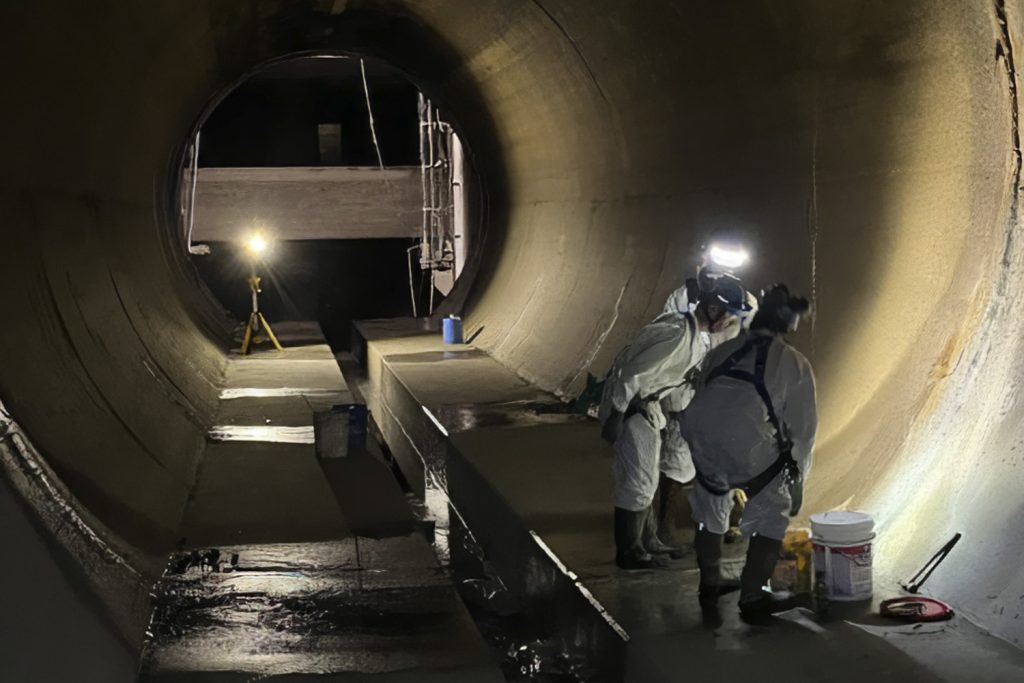
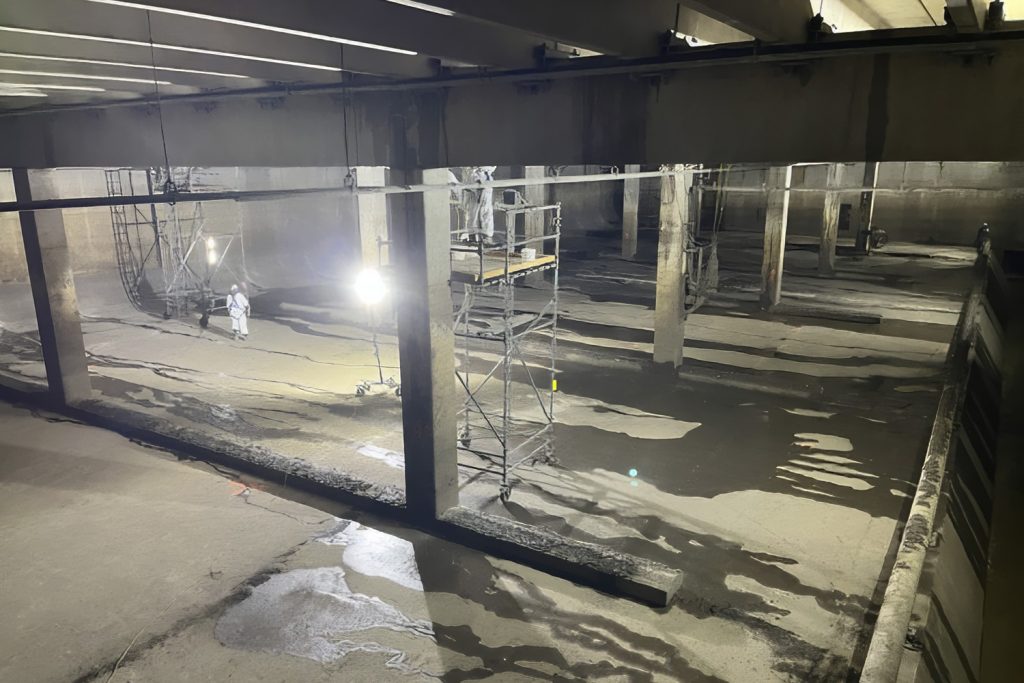
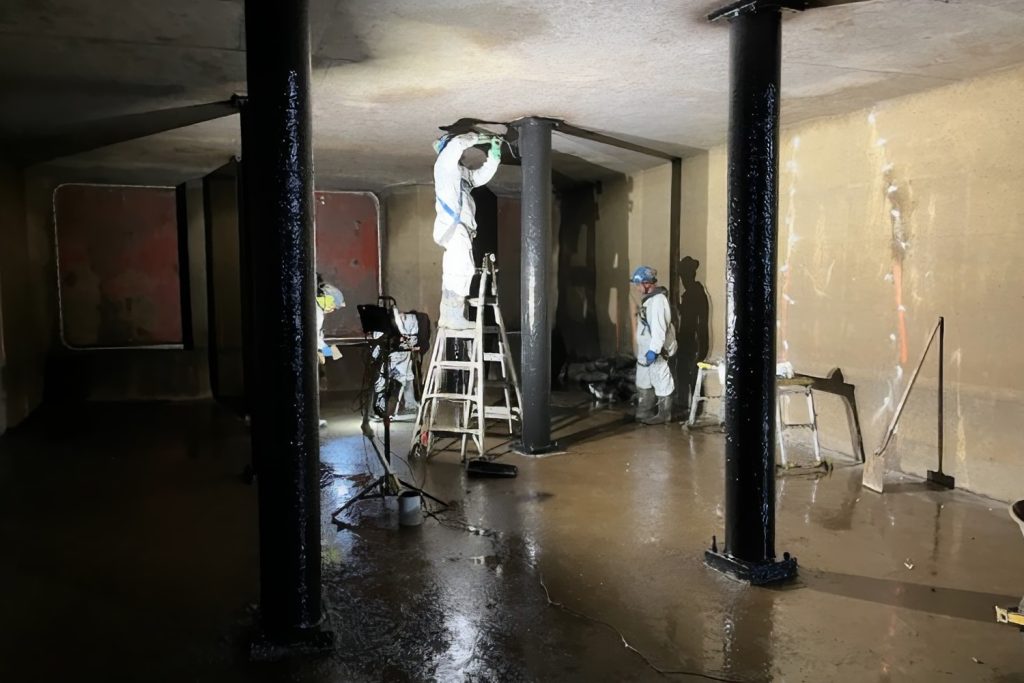
Photo Credits: Steve Rose; Jose Salinas