Two wind tunnels at NASA’s Langley Research Center supported flight dynamics research for more than 80 years, but replacing the aging facilities proved to be a decades-long challenge. First identified as a need in the 1990s and proposed for funding multiple times, the replacement finally moved forward when NASA and the General Services Administration selected design-build to deliver the Flight Dynamics Research Facility (FDRF). The new facility consolidates the capabilities of both wind tunnels while improving research performance and reducing long-term maintenance and operating costs.
A Machine as Much as a Building
The FDRF presented an unusual challenge because the facility is essentially a highly specialized research machine with extremely exacting construction quality tolerances. Its wind tunnel had to meet demanding performance requirements while also incorporating one-of-a-kind equipment. Because the consequences of getting the design wrong were significant, NASA researchers, government experts, designers, builders, engineers and specialty partners worked together from the earliest stages. At critical points, more than 125 engineers and stakeholders participated in working group meetings.
Design-build allowed the team to advance design, analysis, procurement and construction at the same time. Despite COVID delays and a worldwide semi-conductor shortage, design, engineering and fabrication of wind tunnel components were fast-tracked to meet the project’s aggressive schedule goal. Seven months of computer modeling helped the team predict and refine airflow through the wind tunnel while critical components were being fabricated, allowing potential issues to be addressed before installation.
All equipment was required to be designed to NASA machinery level standards and underwent rigorous testing, while extensive digital modeling and laser scanning enabled quality control checks and allowed the team to check for tolerances between components. These efforts allowed the team to identify risks early and manage the project’s demanding technical requirements.
Beyond replacing aging infrastructure, the FDRF expands NASA’s research capabilities and will be available for private industry research, sparking new industry innovation and significantly increasing revenue and economic activity for the agency and local community. The facility also provides opportunities for local schools, universities and community partners to engage with NASA and introduces a new generation to aerospace research and engineering.
Design-Build Team
| Client/Owner: | General Services Administration |
| Owner Advisor: | Jacobs |
| Design-Builder: | BL Harbert International |
| Architect: | Mason & Hanger |
| Engineers: | North Wind; Mason & Hanger |
| Specialty Contractors: | North Wind; Tindall Precast; EVG Group; Hunt Electric; Bay Mechanical |
| Project Cost: | $47,948,447 |
| Construction Duration: | 46 months |
Photos
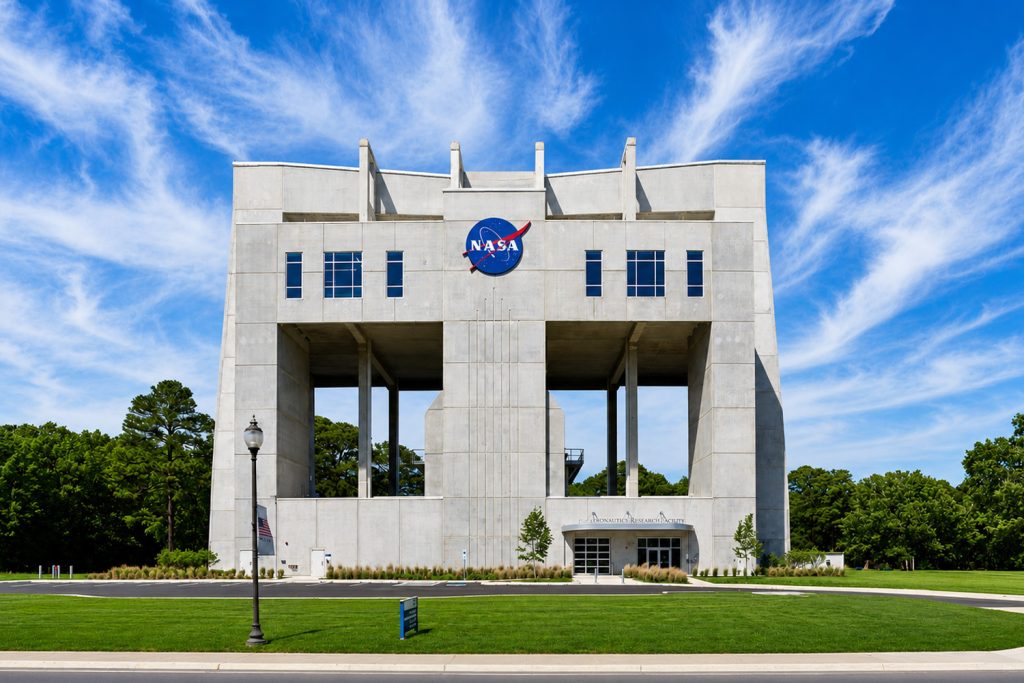
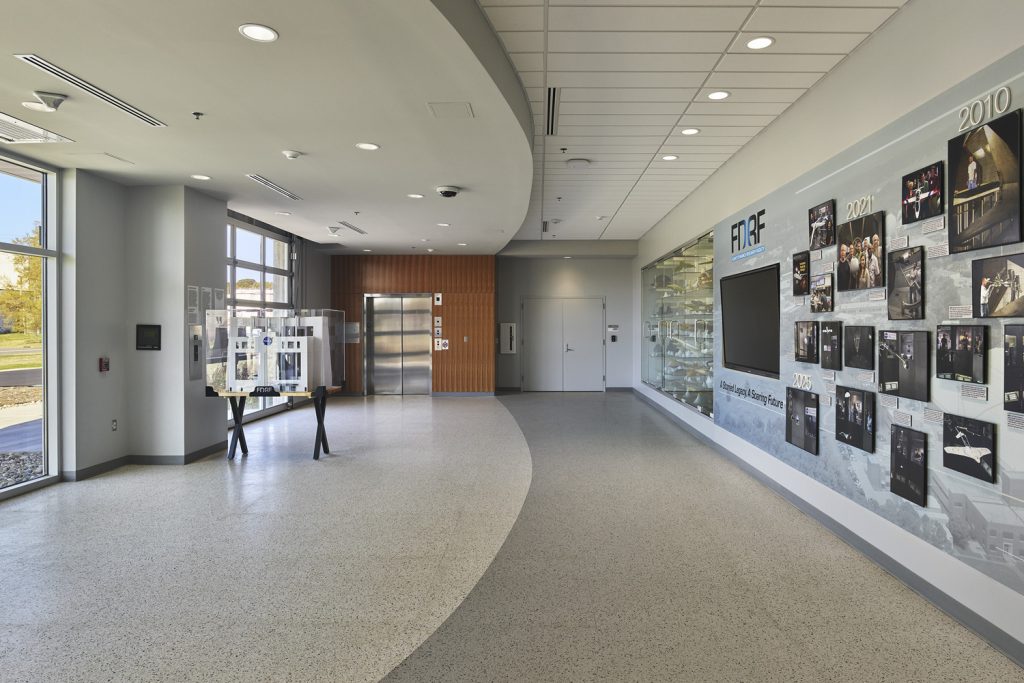
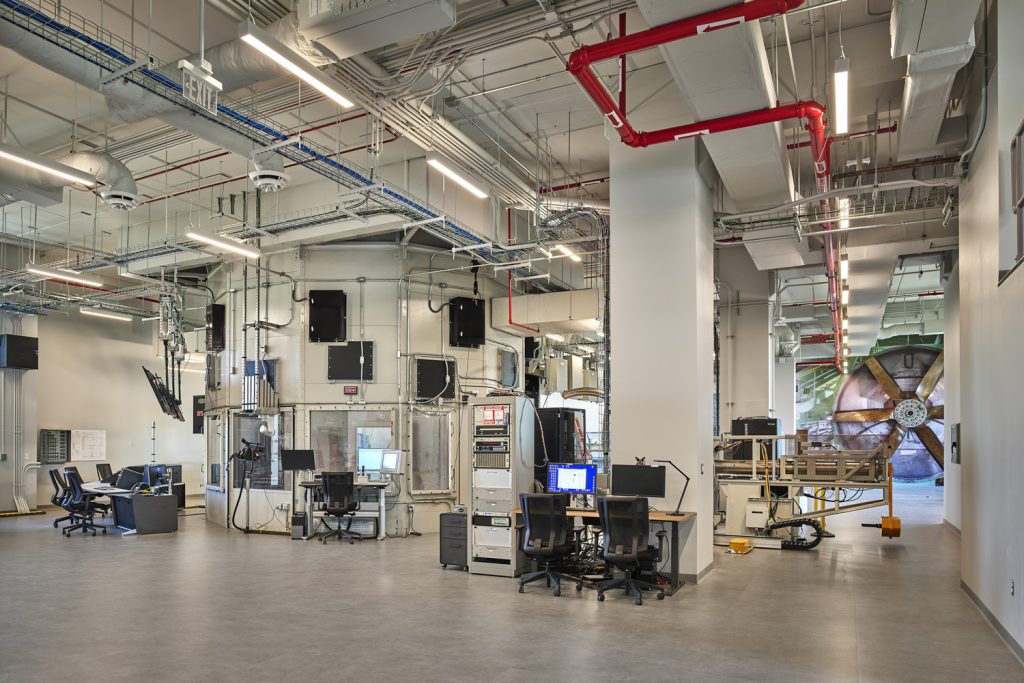
Photo Credits: BL Harbert International; Alan Karchmer/OTTO