This four-part series has examined how design-build teams respond when the stakes are highest, when lives, economies and essential services are on the line. In Part 1, we traced how design-build first emerged as a vital tool in emergency recovery. Part 2 moved from legacy milestones to today’s most complex recoveries, where urgency, uncertainty and community impact demand more than speed alone. Part 3 expanded that lens, exploring how design-build enables rapid response across sectors when critical systems fail. In this final installment, we look ahead to the future of design-build in crisis response, as Owners, teams and agencies reshape delivery to strengthen national resilience in the face of growing risk.
Over the last 40 years, the United States has seen a sharp increase in costly weather and climate disasters. According to the Congressional Research Service, the country now faces more than $20 billion disasters each year. In 2024 alone, there were 27 of these events nationwide, causing over $180 billion in damage.
Independent analyses drawing on the same dataset note the U.S. has experienced more than $400 billion disasters since 1980, with recent years setting records for both frequency and cost (see, for example, Climate Central’s summary of the data). Severe storms, floods, wildfires, extreme heat and winter events now intersect with aging infrastructure, strained supply chains and growing population demands.
Disruptions are no longer occasional. For Owners and design-build teams, that changes the calculus. Rebuilding after failure remains essential, but agencies must also equip professionals to manage and reduce risk as a standing condition.
Throughout this series, we examined how design-build performs when crisis hits, from urgent recovery to complex system restoration. Many of the projects highlighted have been recognized with DBIA Design-Build Project/Team Awards as leading examples of Design-Build Done Right®. Together with other case studies, they form the foundation of DBIA’s Design-Build in Times of Crisis report, which captures the practical lessons behind those outcomes.
This last chapter moves from performance to capacity. If design-build works well under pressure, what will make that level of performance routine? DBIA offers guidance, education, advocacy and professional standards that help Owners and practitioners prepare, translating lessons into practice and strengthening capacity before a crisis strikes.
From Urgency to Preparedness
Responding effectively is still important. Infrastructure needs to be restored quickly after extreme events. But as disasters happen more often, the bigger challenge is making systems stronger before they break.
Design-build helps with both quick response and long-term planning. When the Owner and delivery team work together from the start and one group is clearly responsible, decisions can be made faster and with better information. Risks surface earlier, options can be reviewed right away and strategies can focus on lasting results rather than quick fixes.
This approach reflects the principles of Design-Build Done Right®. The same teamwork that speeds up delivery during a crisis also supports careful, thorough planning.
Those principles are detailed in DBIA’s Design-Build Universal Best Practices, available free through the DBIA Bookstore. The document outlines the practical framework behind consistent, high-performing collaborative delivery and connects directly to DBIA’s broader Design-Build Done Right® guidance and contract resources.
Resilience Is Bigger Than Any One Project
Individual projects demonstrate what is possible. Institutional capacity determines whether those outcomes endure.
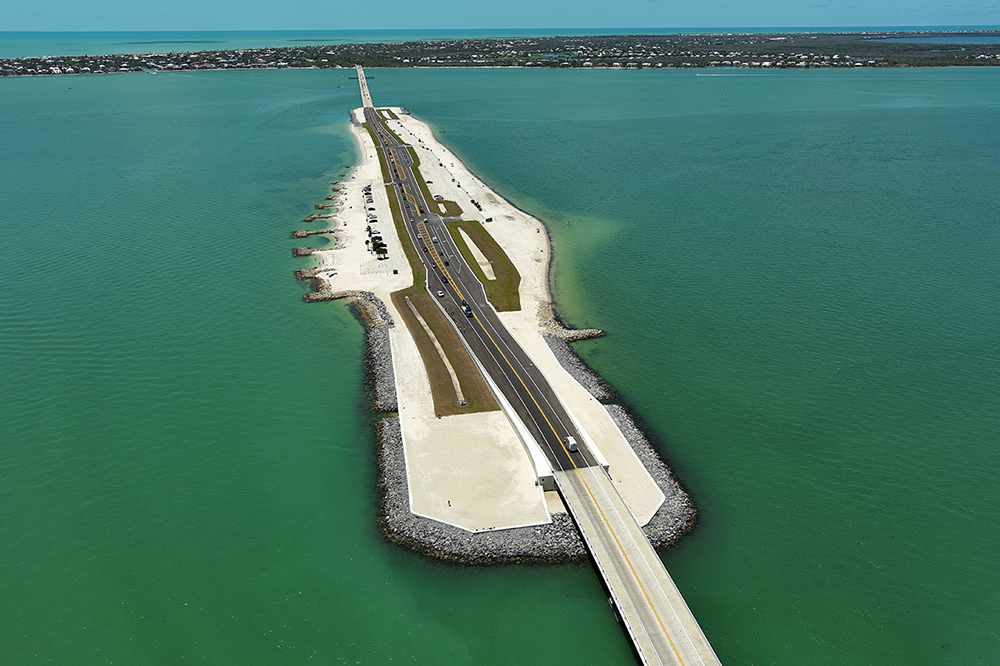
The rapid reconstruction of the Sanibel Causeway, the resilience-driven design of the EnwaveUSA Biomedical District Energy Plant and the emergency replacement of the Fern Hollow Bridge all show the same thing. Resilience comes from teamwork and accountability, backed by a delivery system that can adjust when things change.
Keeping up that level of performance needs clear standards, people who know the design-build method and public policies that let design-build work as it should. DBIA’s role is to support this system so that collaborative delivery works well in both emergencies and regular projects.
Easy-to-use guidance and practical tools help Owners move from reacting to being ready as an organization. During crises, some resources are especially valuable, like the Design-Build Best Practices Primer, sector and function-specific primers, contracts that share risk fairly and contract documents that are clear even when time is short.
These tools, many of which are free at the DBIA Bookstore, turn Design-Build Done Right® principles into practical steps you can use right away, especially when there is no time for trial and error. When these practices are used regularly, readiness becomes part of an agency’s normal way of working, not just for one project.
Building Prepared Teams Through Education
Resilient delivery depends on teams grounded in design-build best practices and able to distinguish when the method is the right fit.
Early teamwork only works if everyone knows how to handle shared risks and make decisions together, even when time is tight. Education helps build these skills. It clarifies roles, builds trust and reduces conflict before things get stressful.
When a crisis hits, teams that are not on the same page lose time, and lost time increases risk. That’s why professional development is a smart way to manage risk. DBIA’s Education & Training programs, such as Certification Workshops, in-person and online courses and the Collaborative Delivery Leadership Academy, help Owners and practitioners learn Design-Build Done Right®. The DBIA Learning Center also offers on-demand courses, webinars and conference recordings so teams can keep learning and have the tools they need before an emergency happens.
Policy Frameworks That Signal a Shift
Procurement statutes and regulations shape what Owners can do before and during a crisis, and those frameworks continue to evolve.
Following the Fern Hollow Bridge collapse, the Pennsylvania Department of Transportation (PennDOT) used progressive design-build (PDB) to complete the emergency replacement in under a year, a timeline that would have been difficult under traditional procurement. The project illustrated how collaborative delivery can operate under extreme urgency and informed broader conversations about when such authority should be used.
At the federal level, Congress has expanded PDB authorization in the National Defense Authorization Act, reflecting growing recognition that collaborative delivery aligns with complex, high-risk programs. Over the past two decades, states have steadily broadened design-build authority across sectors, expanding the range of tools available to public agencies.
These changes show that collaborative delivery is now part of how agencies handle risk, not just a way to procure projects. As disasters intensify and infrastructure projects grow more complex, agencies are choosing delivery methods that let them work together sooner and manage risk more carefully.
Resilience relies on skilled teams, but it also depends on laws that allow effective delivery. DBIA’s Advocacy resources follow federal and state legislative changes, provide guidance on authorization and support members as procurement policies evolve. Ongoing advocacy ensures these rules remain part of long-term planning.
The upcoming February 2026 Design-Build Delivers Podcast episode will examine state legislative trends and how changing statutes are influencing collaborative delivery nationwide.
Professional Standards and Certification
In complex, high-pressure environments, predictability matters.
Professional standards reduce variability across teams and establish a common understanding of roles, responsibilities and expectations. DBIA’s Designated Design-Build Professional® certifications — DBIA® and Assoc. DBIA® — serve as the industry’s benchmark for applying Design-Build Done Right®. Through structured coursework, examination and adherence to the DBIA Code of Professional Conduct, credential holders demonstrate practical competence in procurement, contracting and project execution.
When things get stressful, theory takes a back seat. Teams need to make quick decisions, understand their authority and work smoothly together. Professional standards make this possible.
DBIA’s national conferences and regional events help teams keep learning beyond the classroom. These events bring together Owners, designers and builders to share ideas and apply lessons from projects such as Sanibel, EnwaveUSA and Fern Hollow to future work.
Building Before the Break
Design-build began as a way to meet urgent needs and has grown through handling complex recovery projects. Now, it is seen not just as a tool for crises but as a core strategy for managing infrastructure risk at scale.
Resilience is no longer just about how fast communities recover after a problem. Now, it means having infrastructure that is built, delivered and supported to adapt and last under pressure.
The first three parts of this series illustrated how design-build works during a crisis. This last chapter explains these kinds of projects will become more common and part of standard practice for agencies managing disaster risk. DBIA’s guidance, education, advocacy and certification programs are here to help make that possible.
To build true readiness, agencies and organizations need ongoing expertise, helpful policies and steady professional standards. These investments can be made before the next crisis exposes gaps in preparation or capability.
Design-Build in Times of Crisis
Revisit the rest of our Design-Build in Times of Crisis series:
Design-Build Done Right®: Built for What’s Ahead
Explore DBIA’s resources to help your team prepare for crisis before it strikes:
