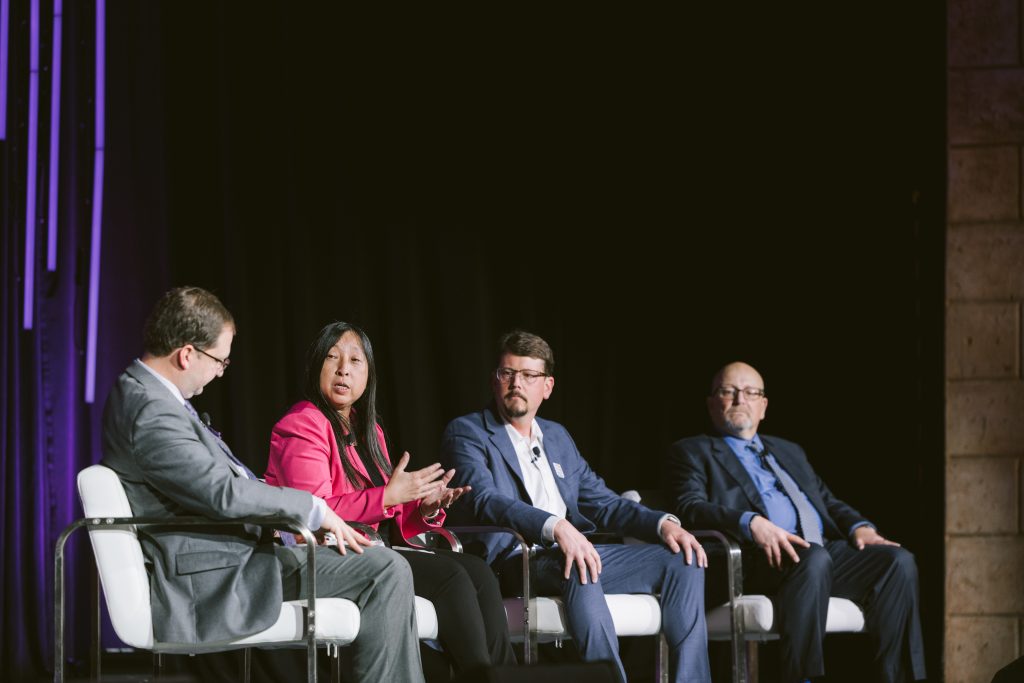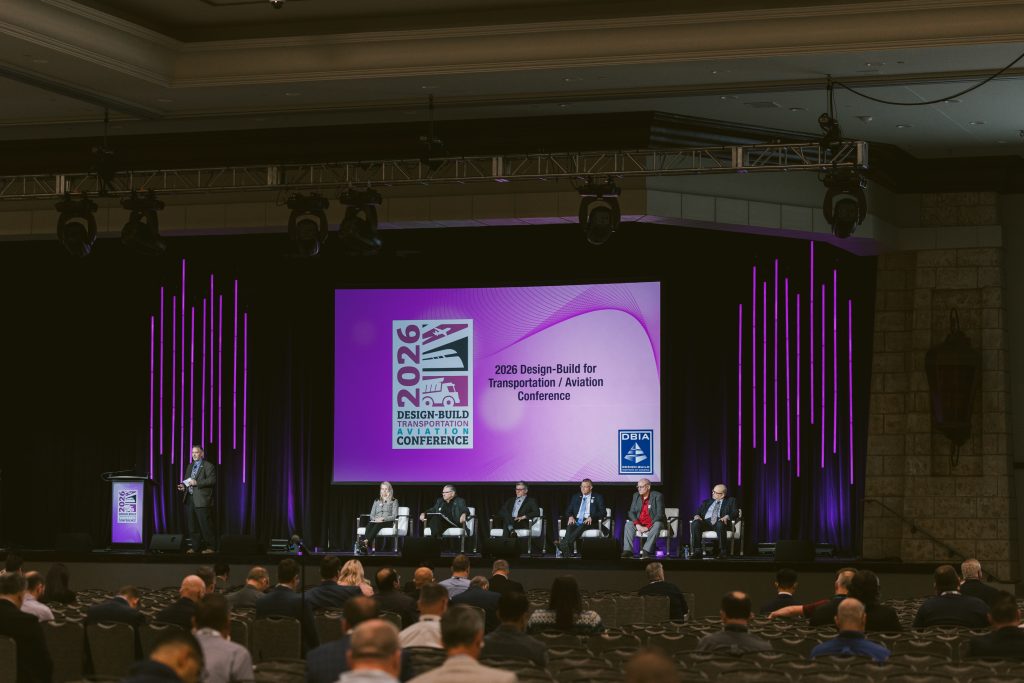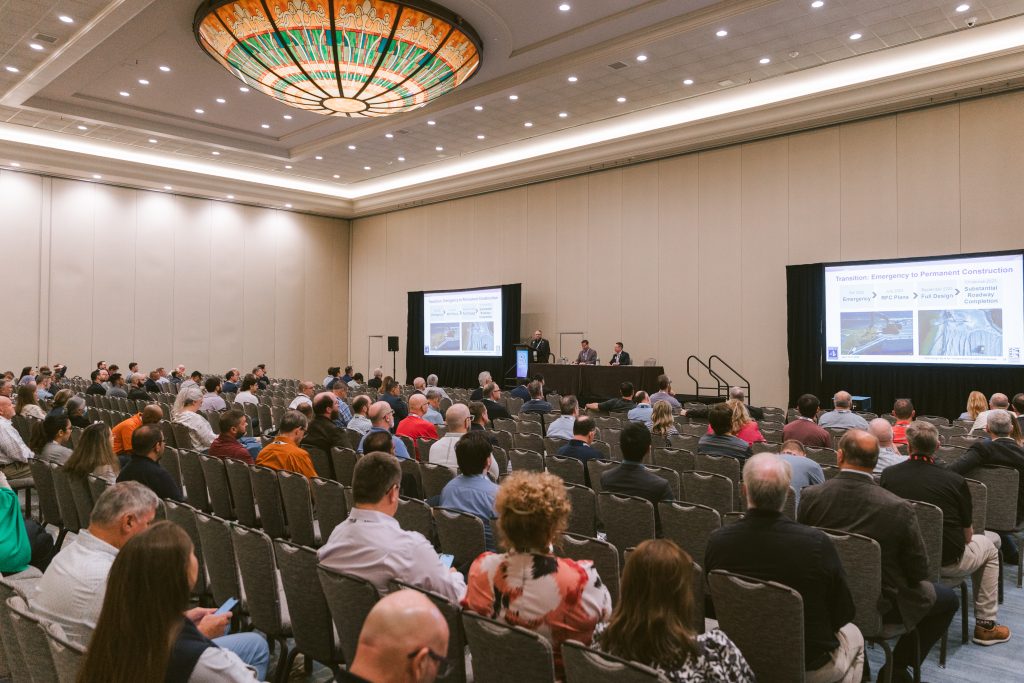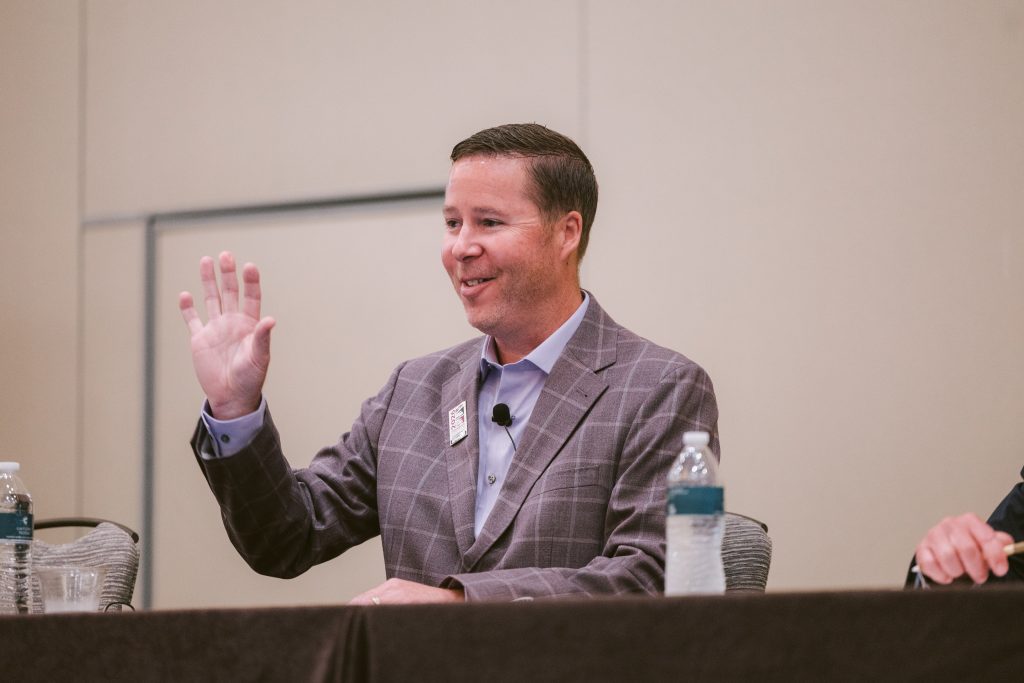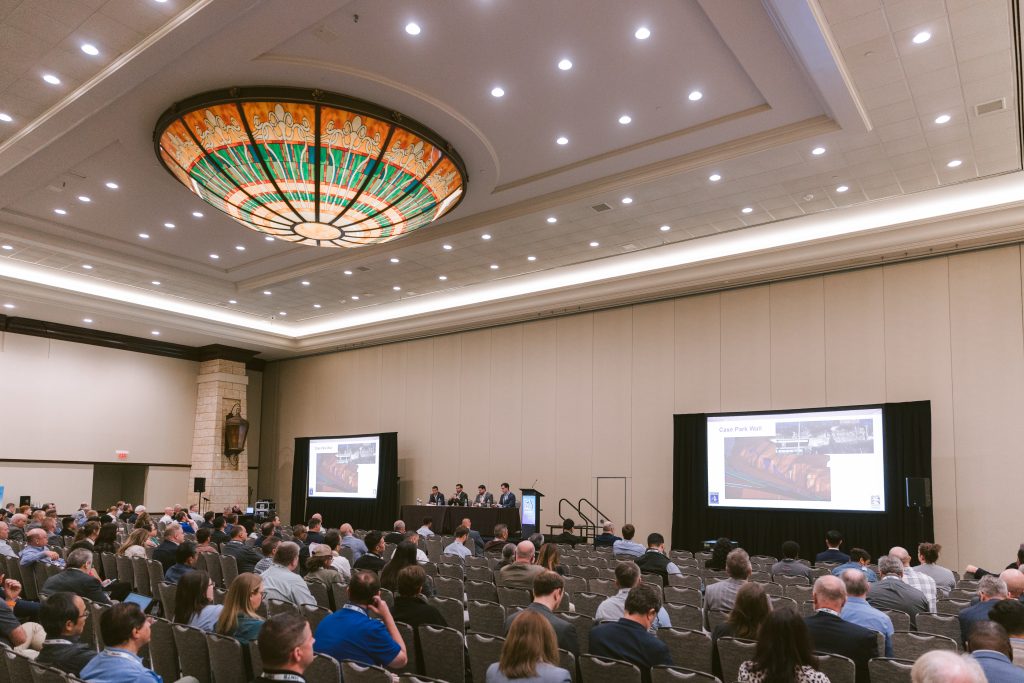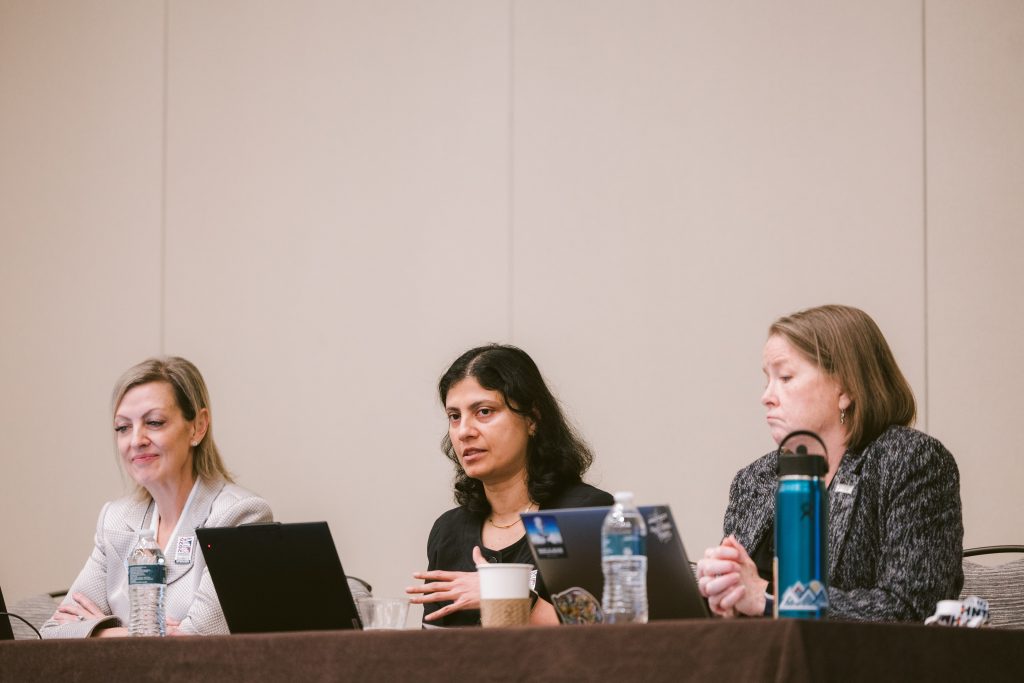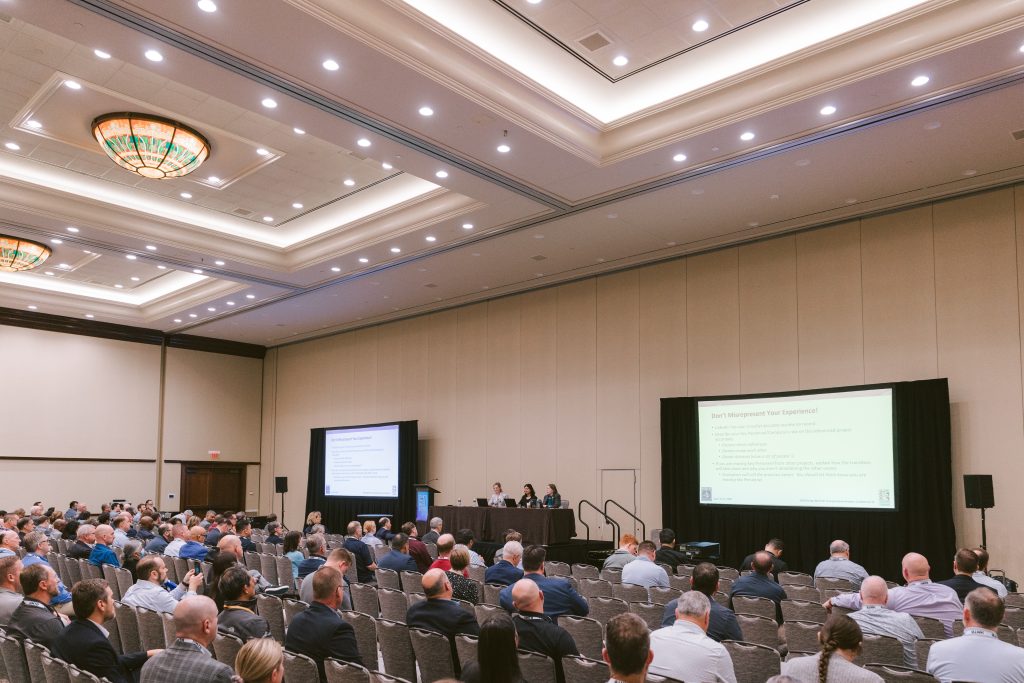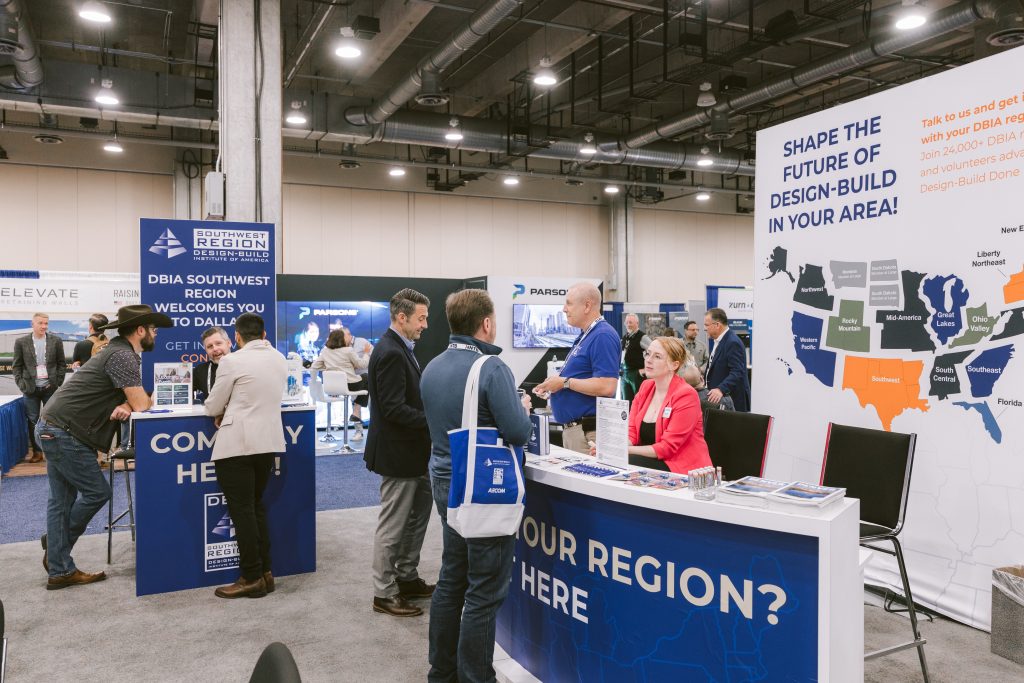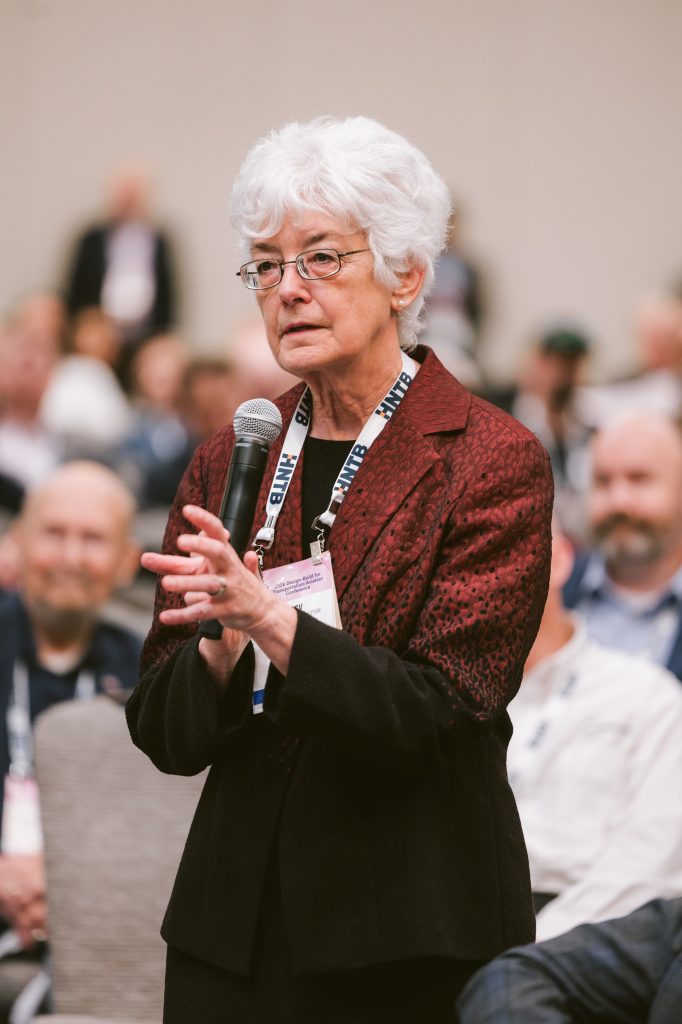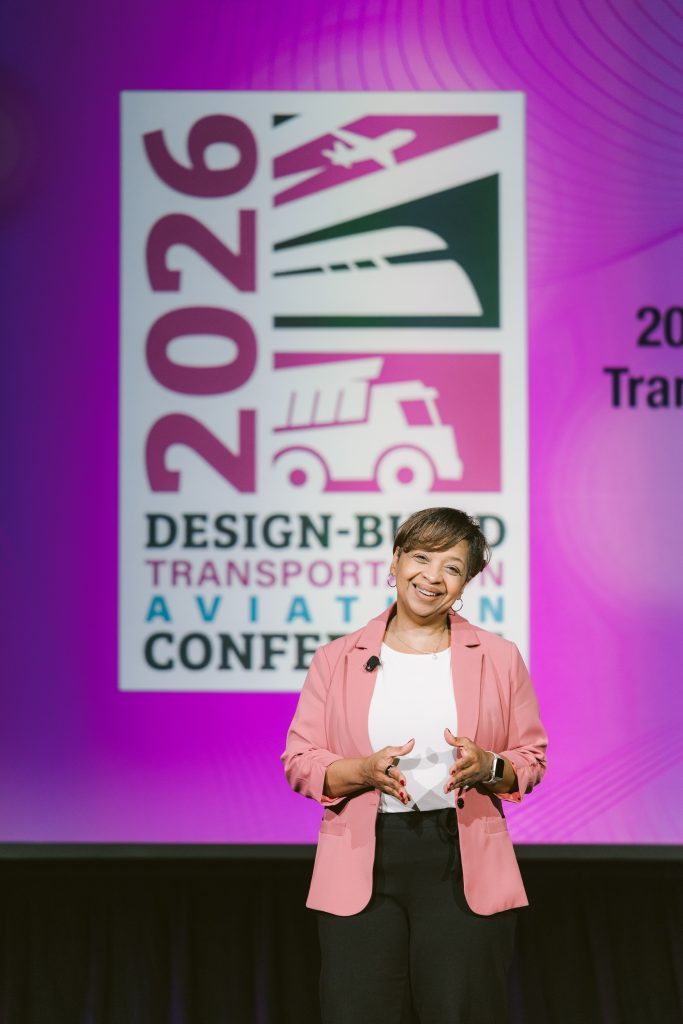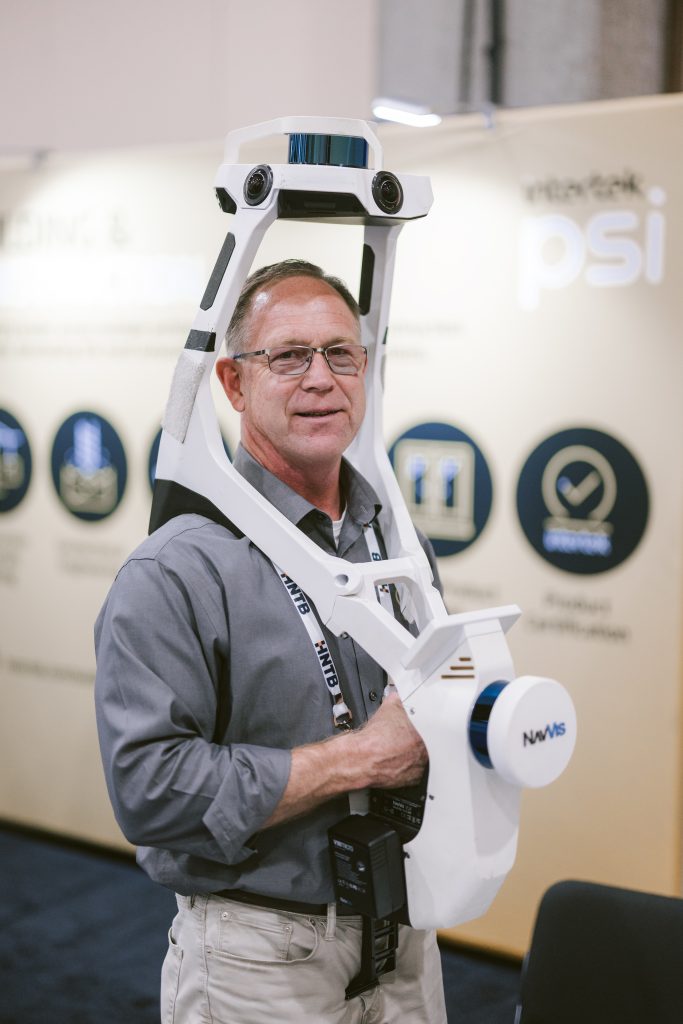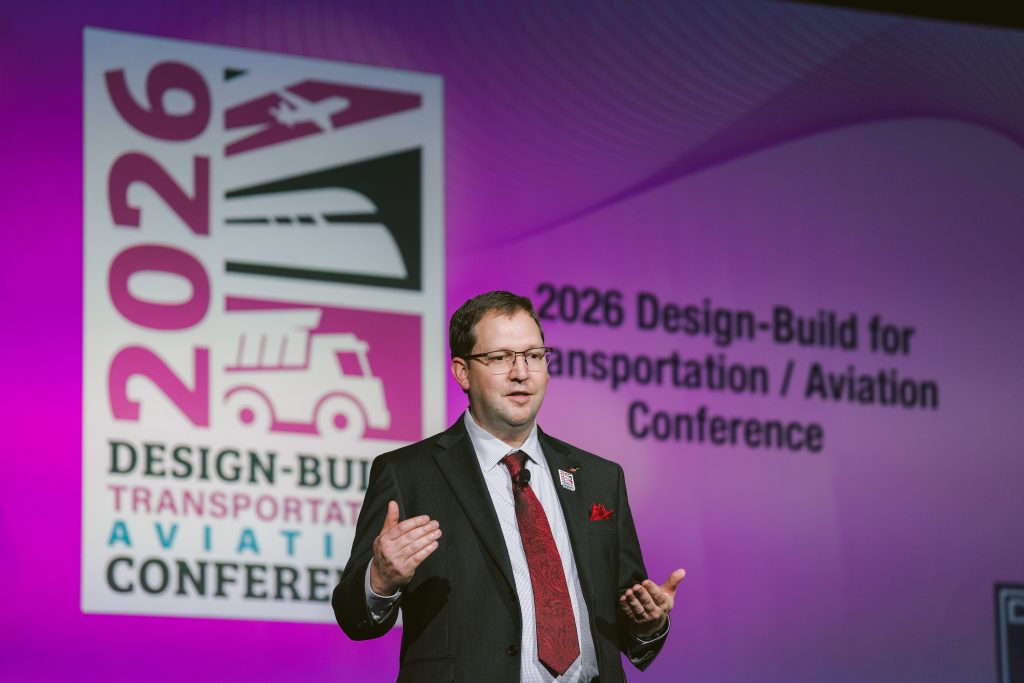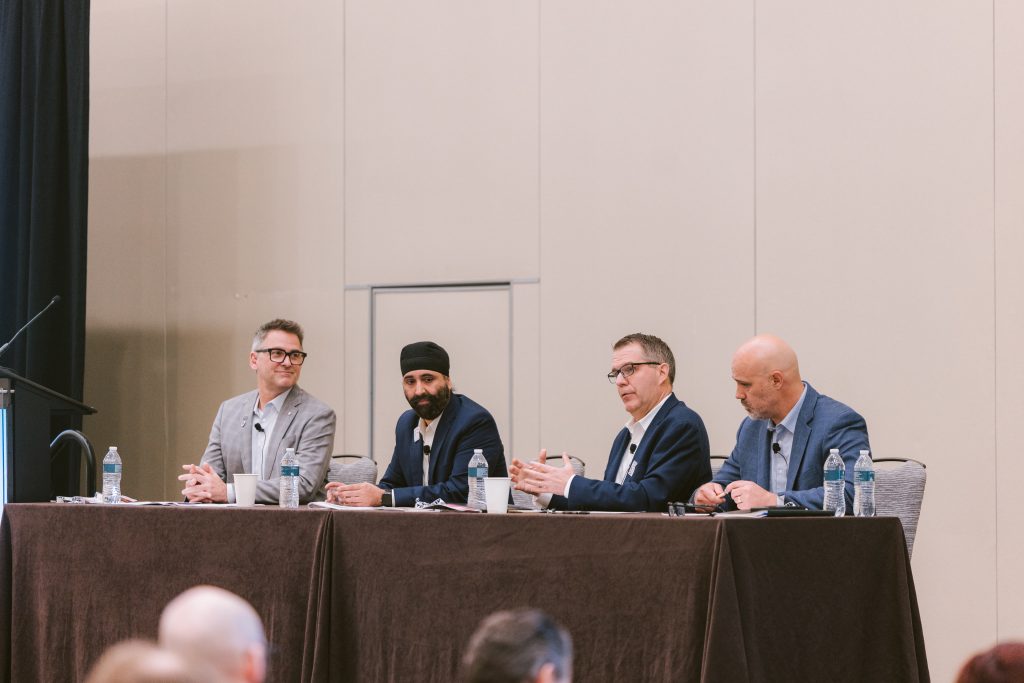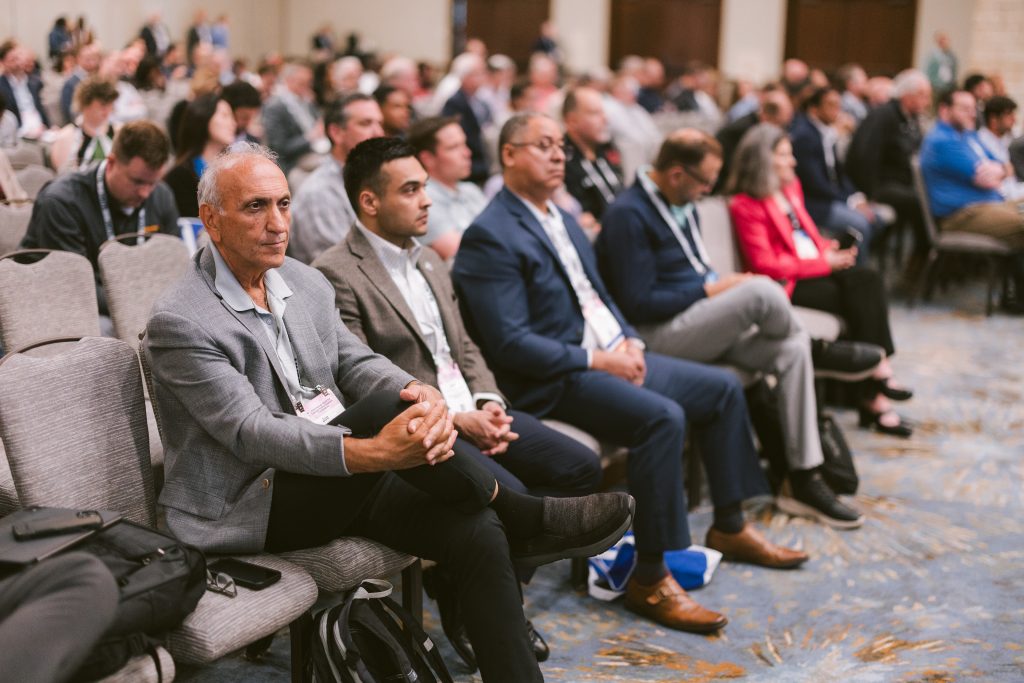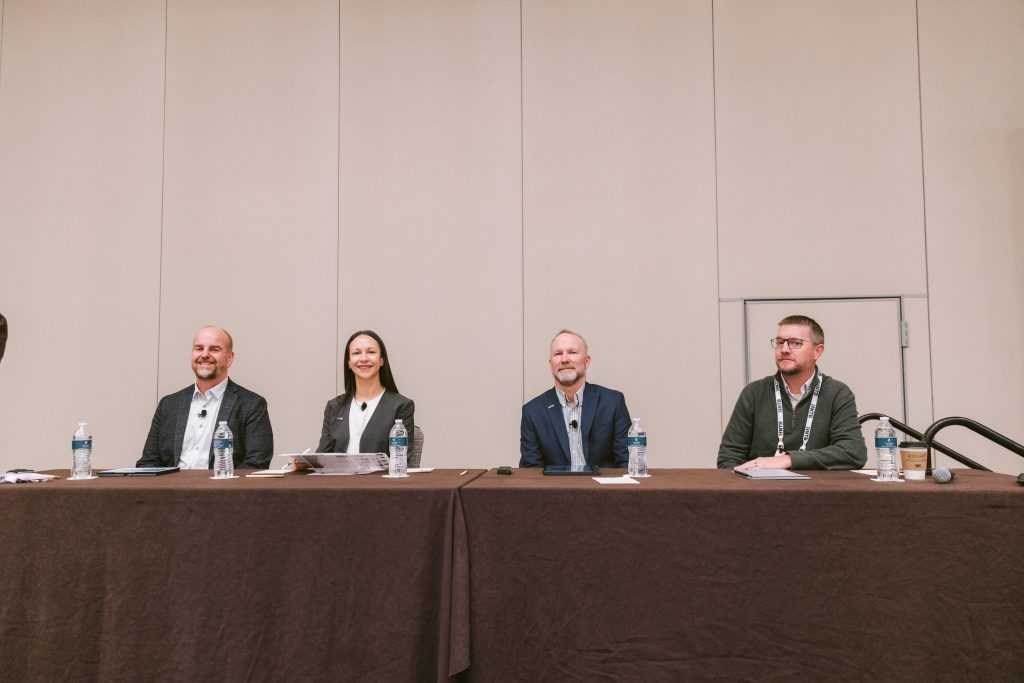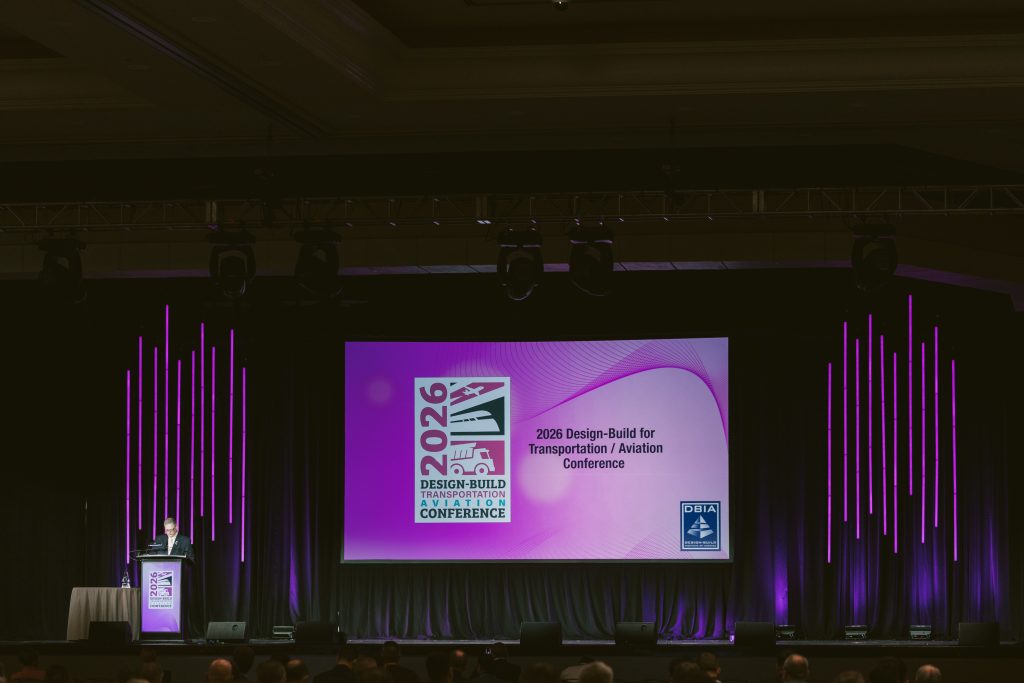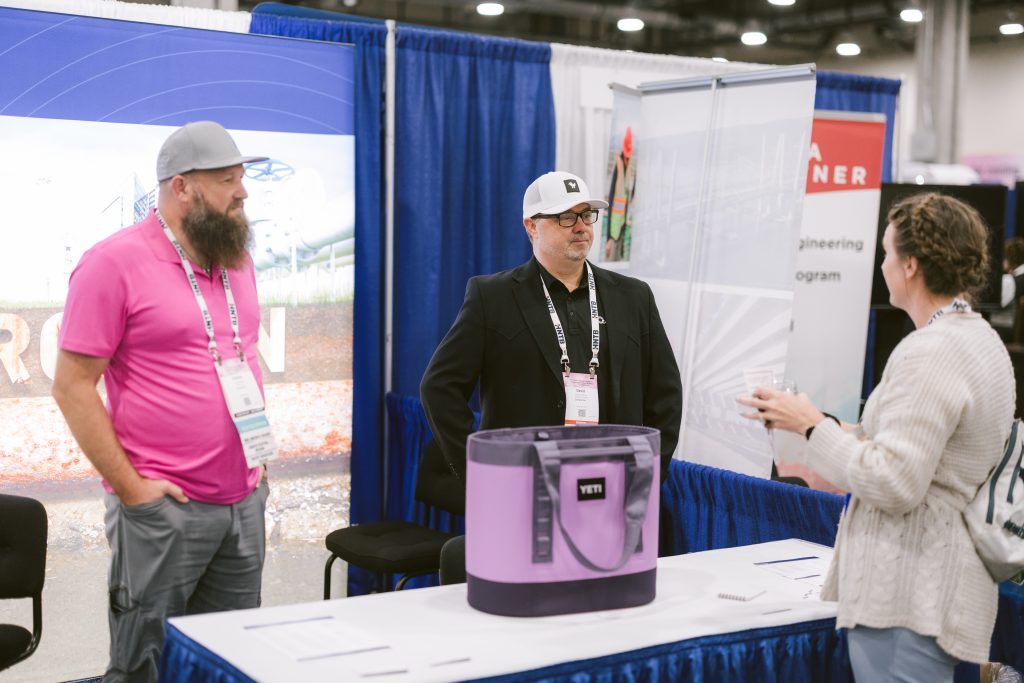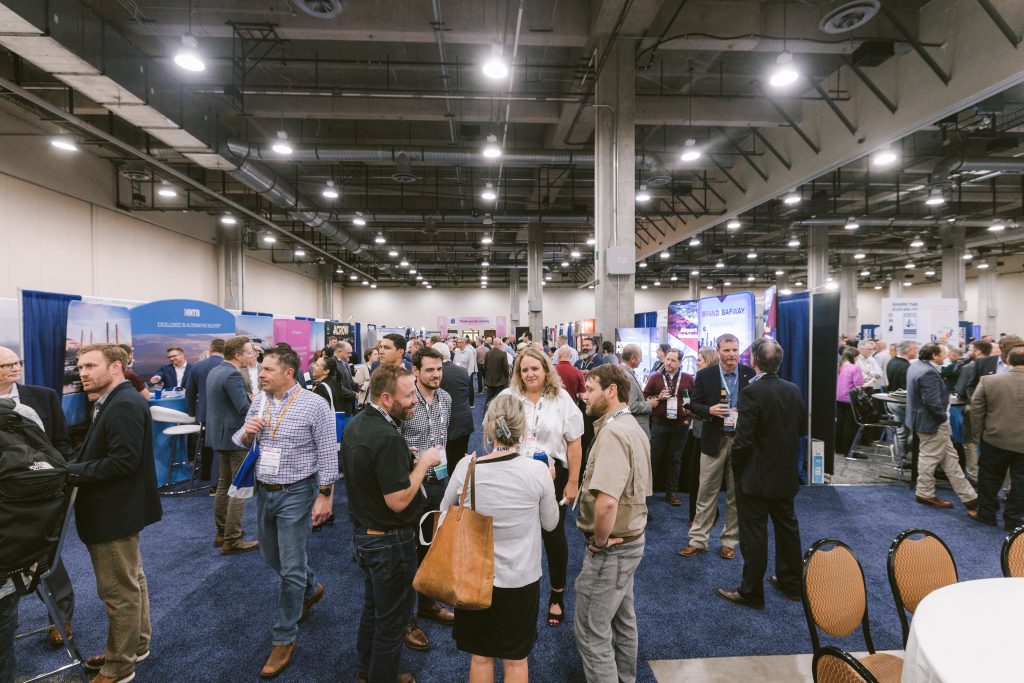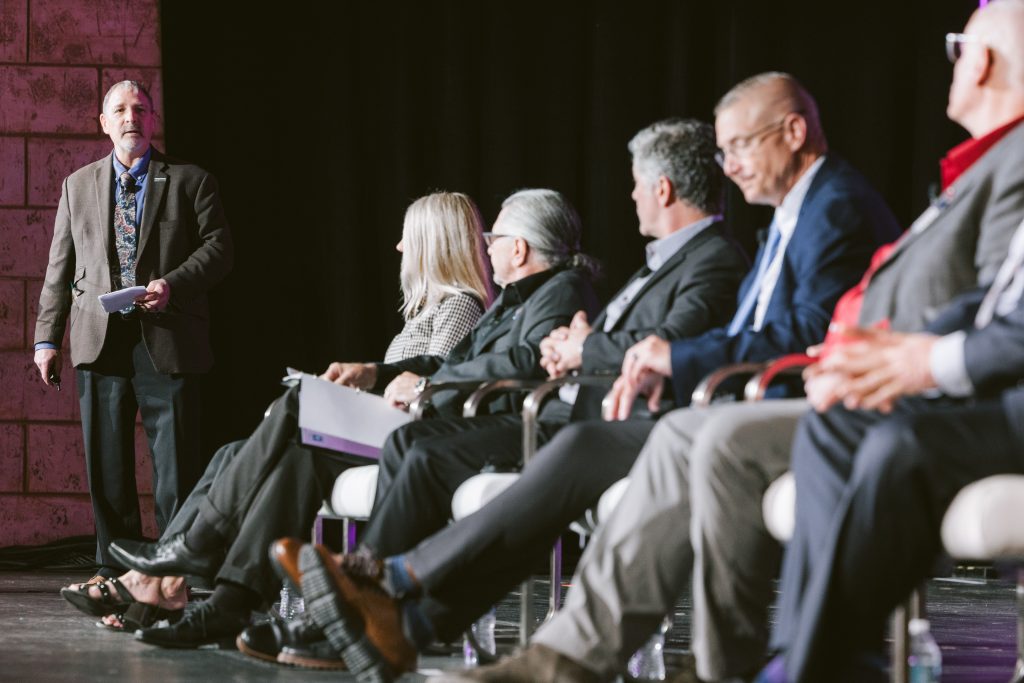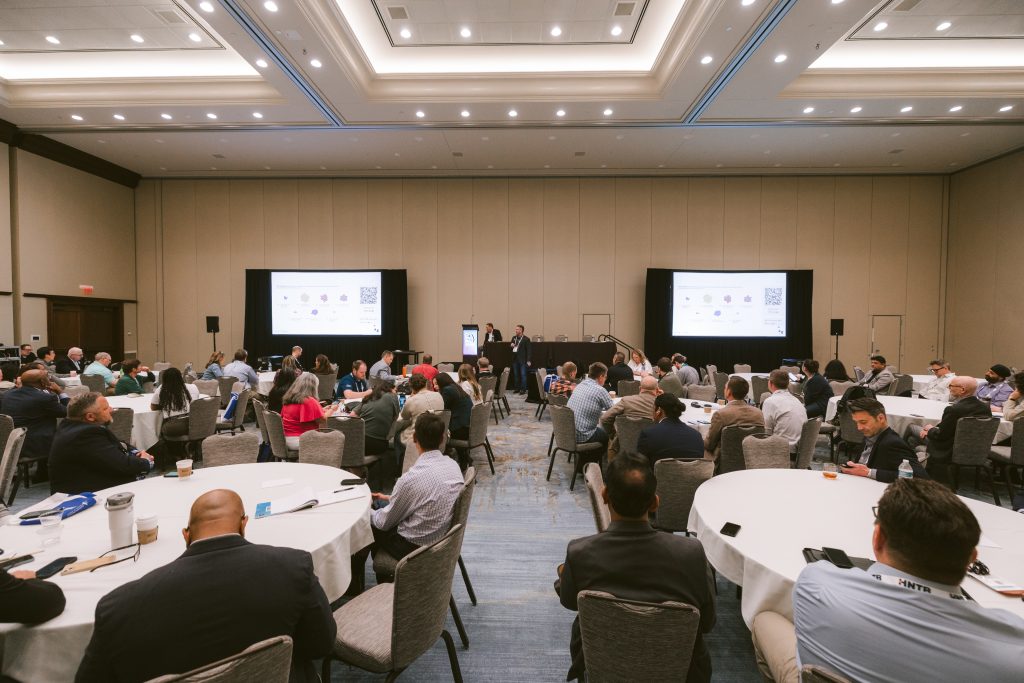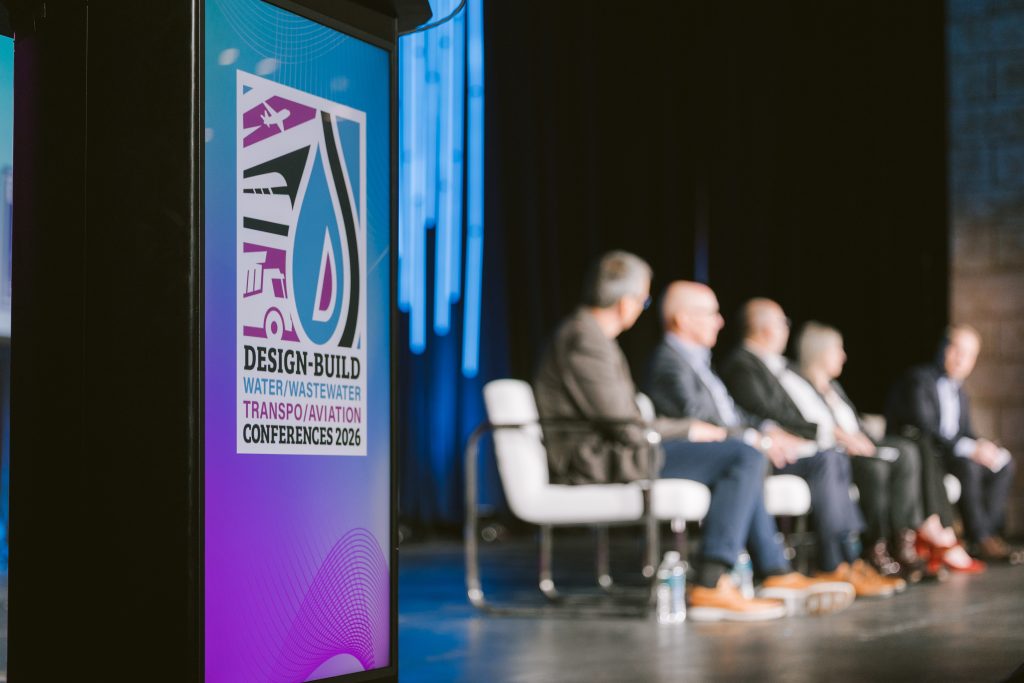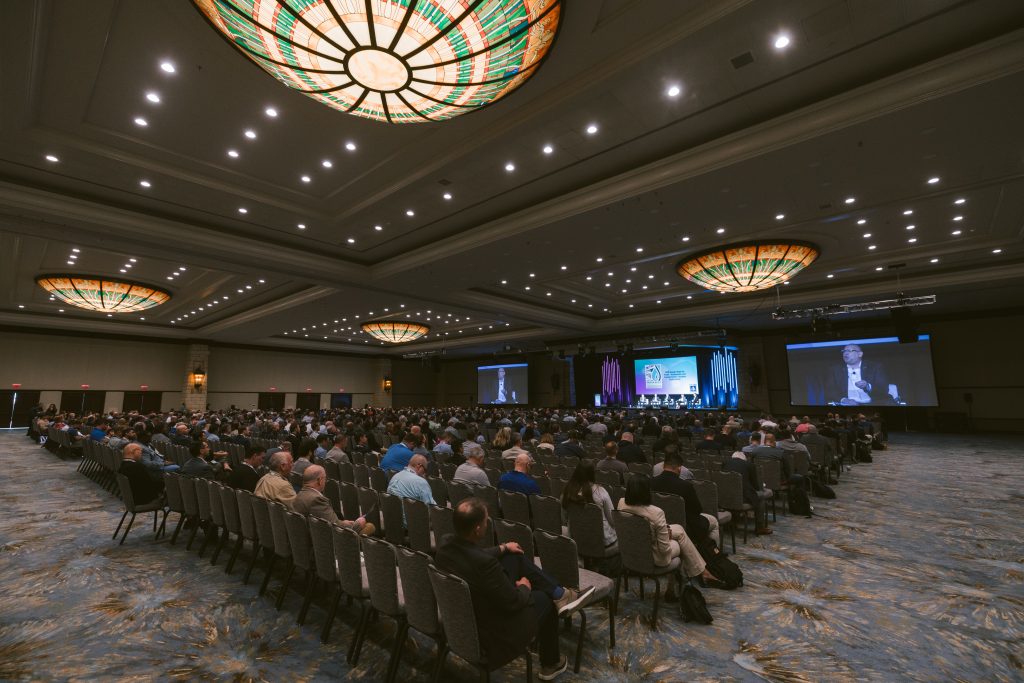
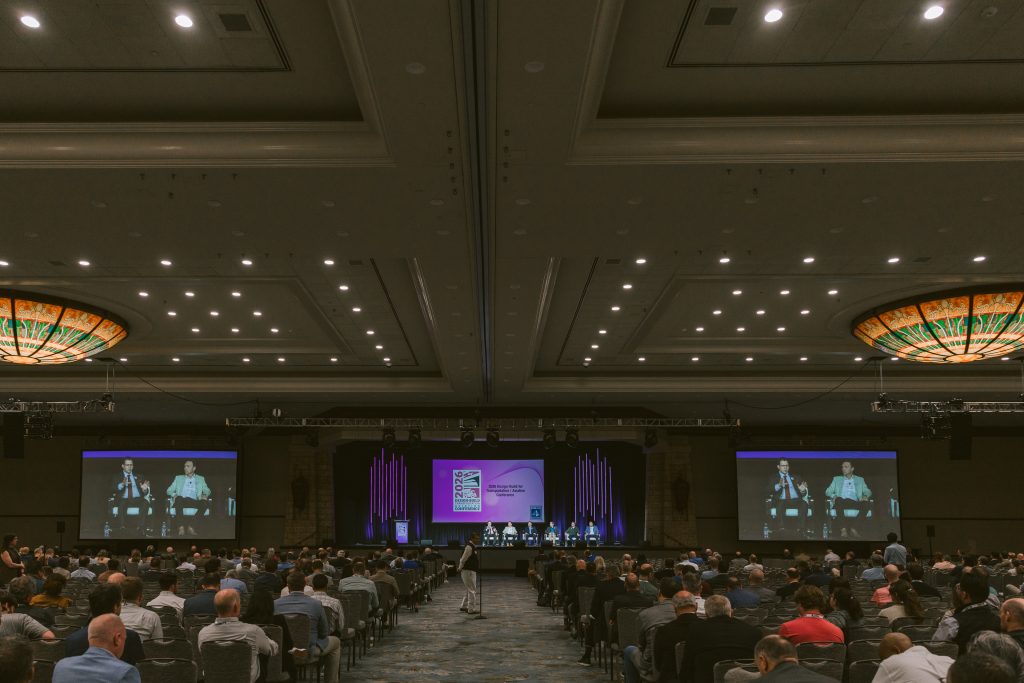
The Water/Wastewater Conference might have opened the week with a record-setting crowd, but the Design-Build for Transportation/Aviation Conference was not to be outdone. Nearly 1,400 attendees gathered in Grapevine for DBIA’s 2026 Design-Build for Transportation/Aviation Conference, marking another record-setting event.
This portion of the week brought together a different mix of Owners, practitioners and partners to share what’s working, what’s changing and what teams need to know now. The result was a conference defined by real conversations, real projects and real-time insight from the people doing the work.
A Shared Moment Across Sectors
On Wednesday, both conferences came together for a joint networking lunch and general session which served as an intentional point of connection between sectors tackling similar challenges in different contexts.
The joint session offered an early look at findings from a landmark Progressive Design-Build study, providing insight into how risk, pricing and procurement strategies are evolving across the industry.
It reminded attendees that while sectors may differ, the growth of collaborative delivery is shared.
Forums That Surface the Real Challenges
The conference opened with the Practitioners’ Forum and Owners’ Forum, consistently two of the most candid and valuable conversations every year.
The Practitioners’ Forum focused on the continued evolution of design-build, including the growing importance of Owner Advisors as more agencies adopted the delivery method. The conversation centered on how to close knowledge gaps, strengthen decision making and support successful outcomes across increasingly complex projects.
At the same time, the Owners’ Forum created space for open, peer-to-peer discussion on delivery challenges, risk and real-world lessons learned, conversations that rarely happen this candidly anywhere else.
Technology, Reality and a Few Surprises
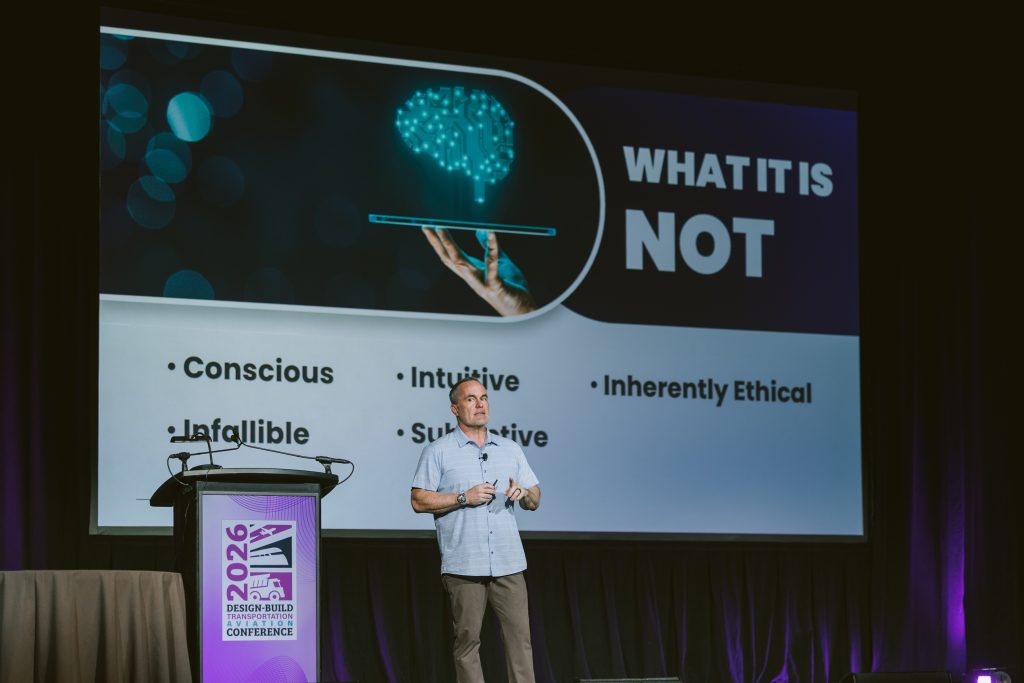
The opening keynote from AI expert Dr. Alex Lawrence explored how artificial intelligence is already reshaping how organizations plan, operate and deliver projects. Blending practical insight with a dose of humor — including an AI-generated dance break by DBIA ED/CEO Lisa Washington and a Star Wars/Snoop Dogg mashup you just had to be there for — Lawrence underscored both the promise and disruption AI introduces. He reminded attendees that AI tools are both here to stay and evolving quickly, and teams that understand how to apply them will have a distinct advantage.
A Sector Defined by Complexity
From the outset, sessions emphasized the layered challenges facing transportation and aviation projects, including multi-agency coordination, evolving regulatory requirements, stakeholder pressure and the realities of delivering large-scale infrastructure in active environments.
Across sessions, a consistent theme emerged. Success depends on early alignment, clear communication and delivery strategies that can adapt in real time.
That theme carried into one general session centered on reviewing real projects, where Owners and industry leaders shared project pipelines, procurement timelines and delivery approaches. With representatives from major agencies like TxDOT, Amtrak and VDOT, the exchange offered attendees a practical look at what was ahead, how different agencies are delivering projects and what teams needed to understand to compete and deliver successfully.
Tracks for Every Practitioner
Education tracks reinforced the central challenge of the sector: managing complexity without sacrificing outcomes.
- Transforming Complexity into Opportunity explored how teams navigated and delivered on large, multifaceted projects.
- First-Time PDB highlighted lessons from teams implementing Progressive Design-Build for the first time.
- The Power of True Collaboration focused on how intentional collaboration drove clarity and performance.
- Innovation Unlocked examined the tools and technologies reshaping how transportation projects are delivered.
Together, the tracks demonstrated how to structure teams and processes to deliver projects better and faster.
Ending with Real-World Challenges
The conference concluded with a closing general session focused on one of the most pressing realities in transportation and aviation: what happens when things don’t go according to plan. From claims and contracts to risk mitigation and dispute resolution, the discussion brought together multiple perspectives to tackle the challenges that define project success or failure.
Transportation and aviation projects aren’t getting simpler. Expectations aren’t getting lower. Timelines aren’t getting longer.
What’s changing is how teams are preparing to meet those demands.
Across sessions, forums and conversations, the focus stayed on how teams actually deliver in a high-pressure, high-stakes environment. That meant comparing approaches, sharing hard-earned lessons and leaving with a clearer sense of what it takes to deliver design-build successfully in transportation and aviation.
See More Highlights
More photos of the Design-Build for Transportation/Aviation Conference can be found on DBIA’s SmugMug.