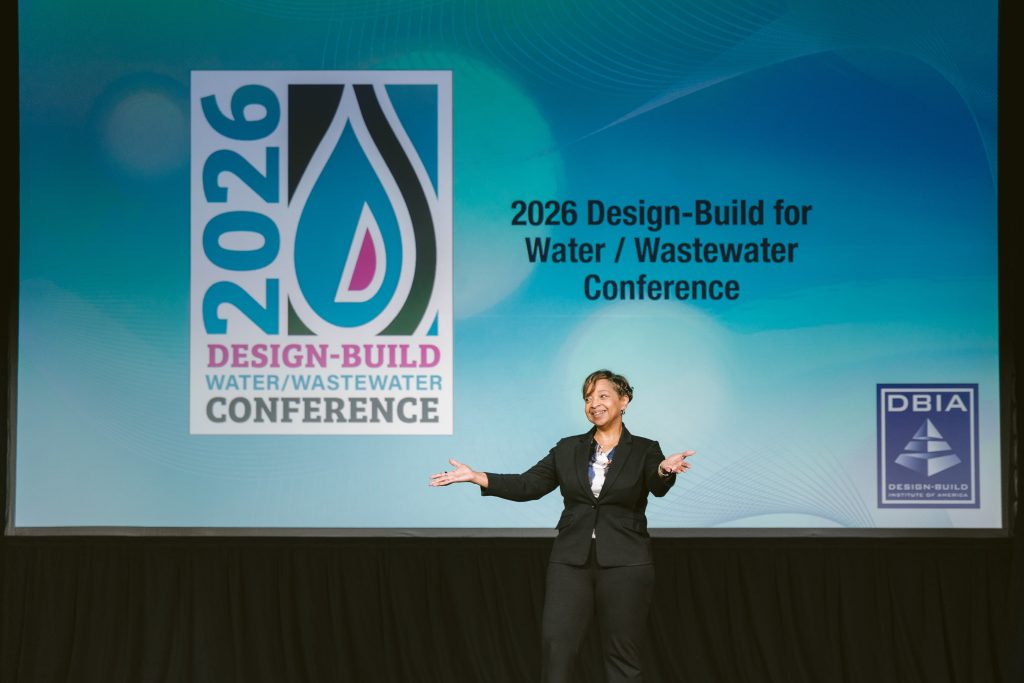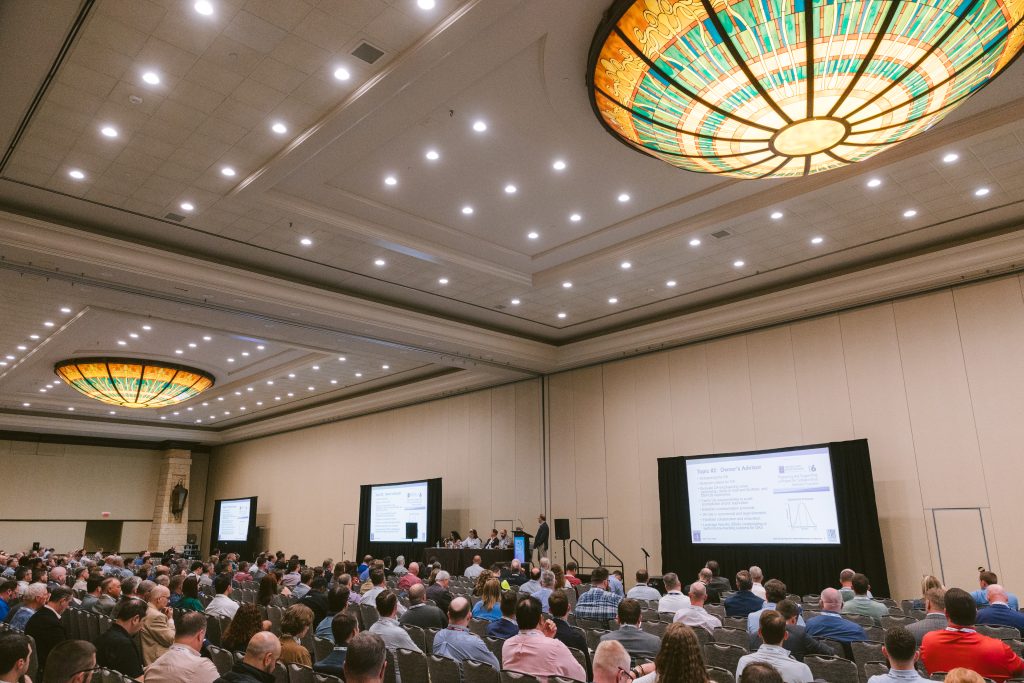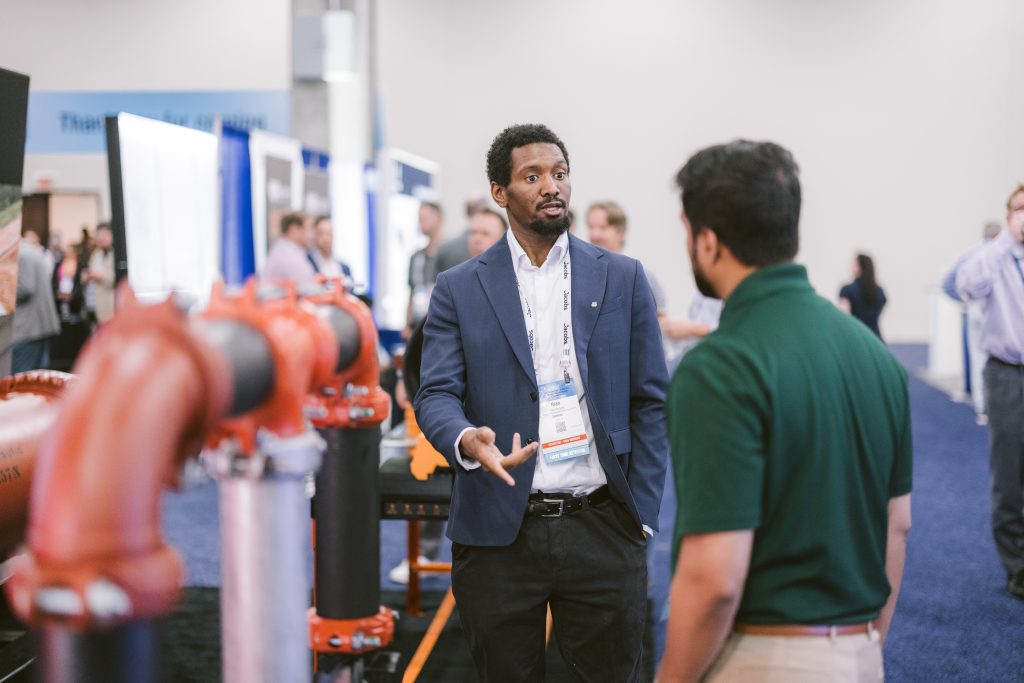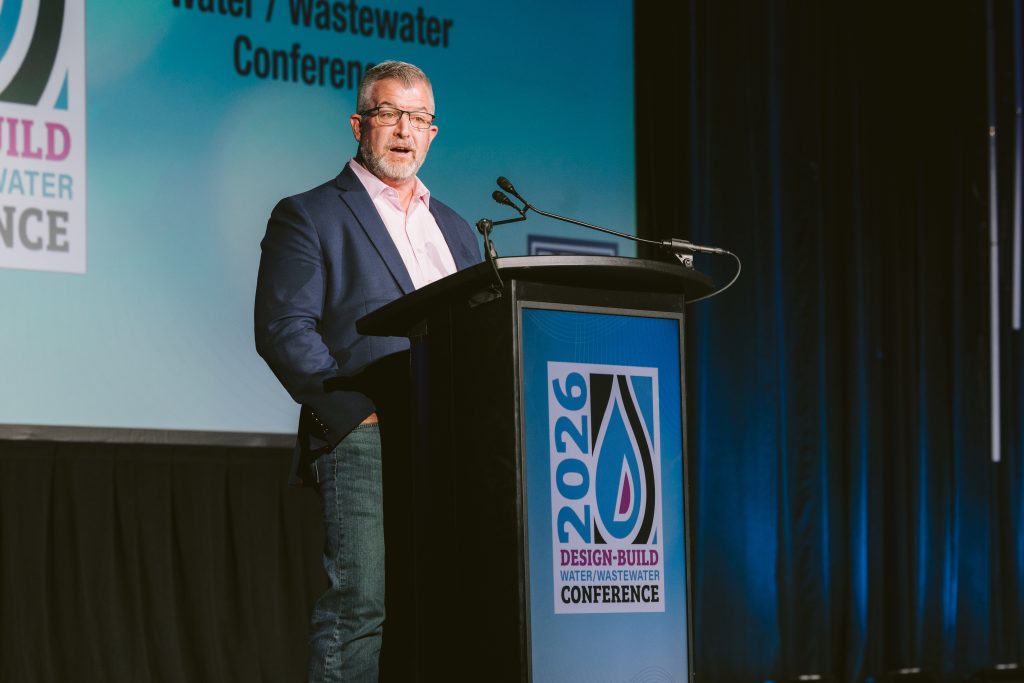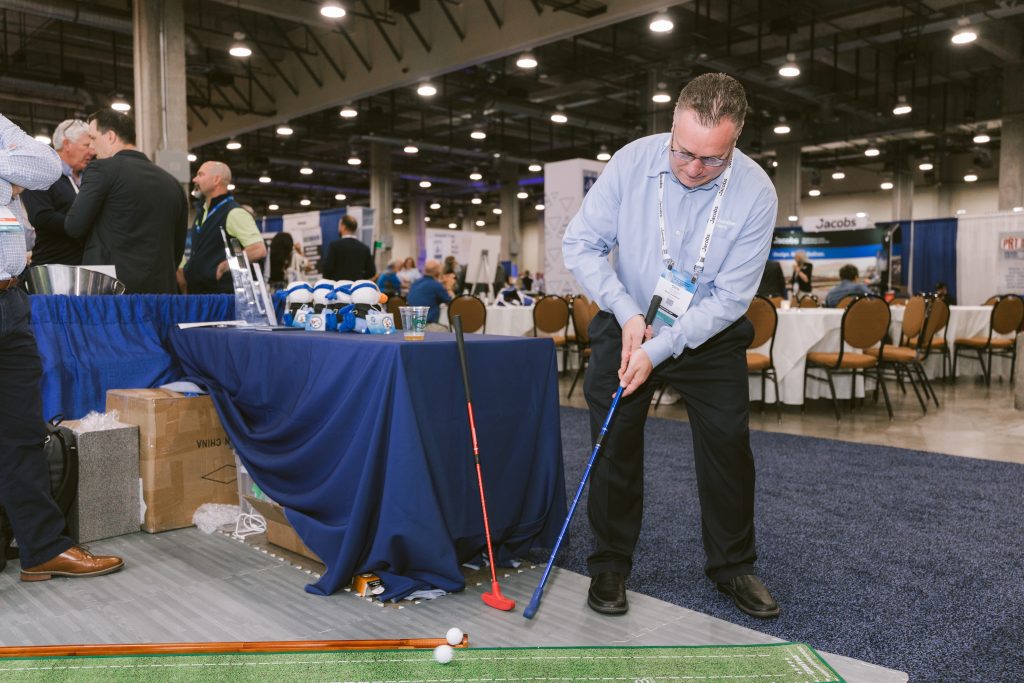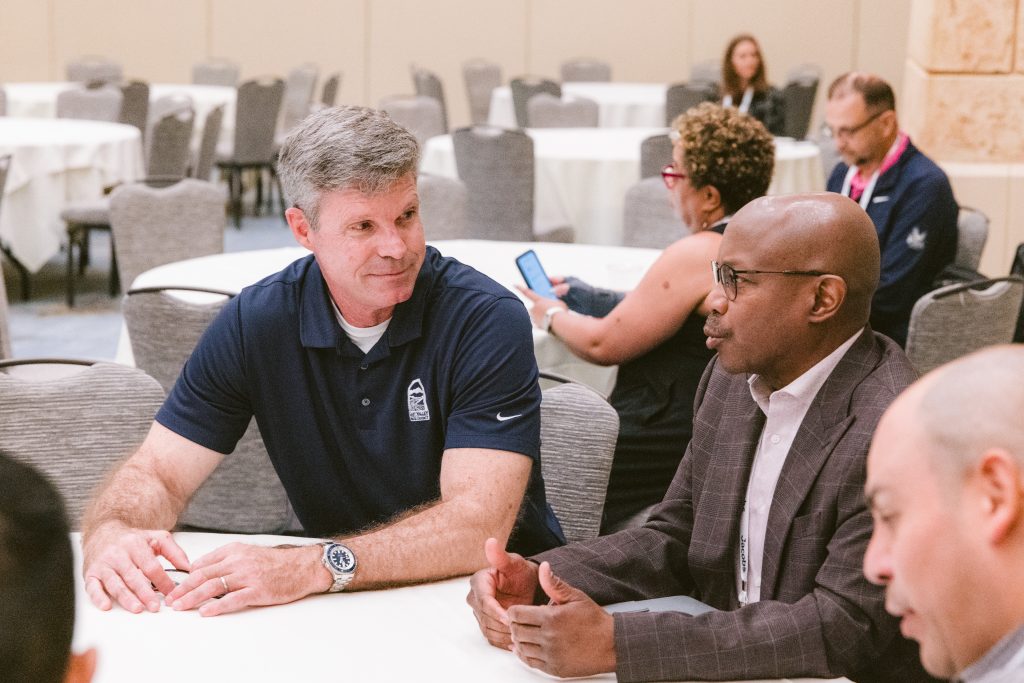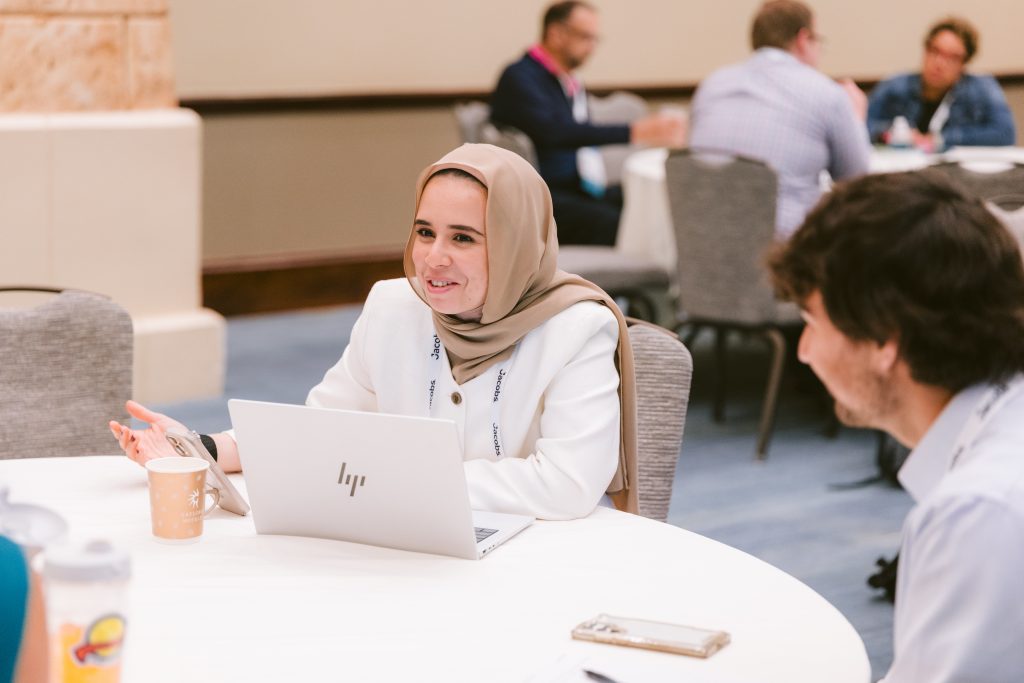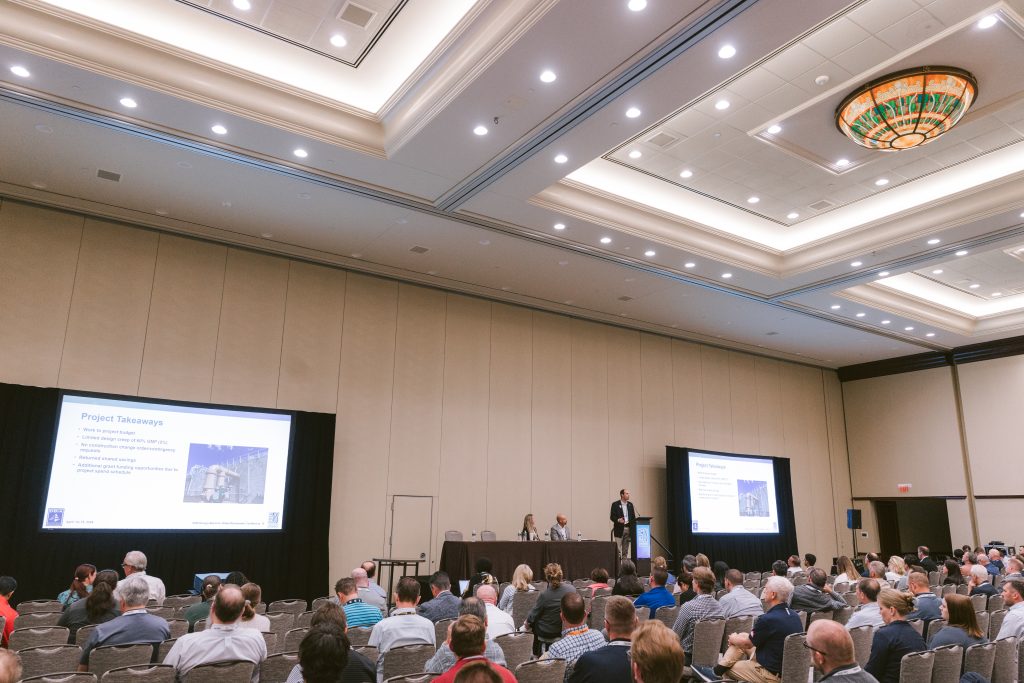
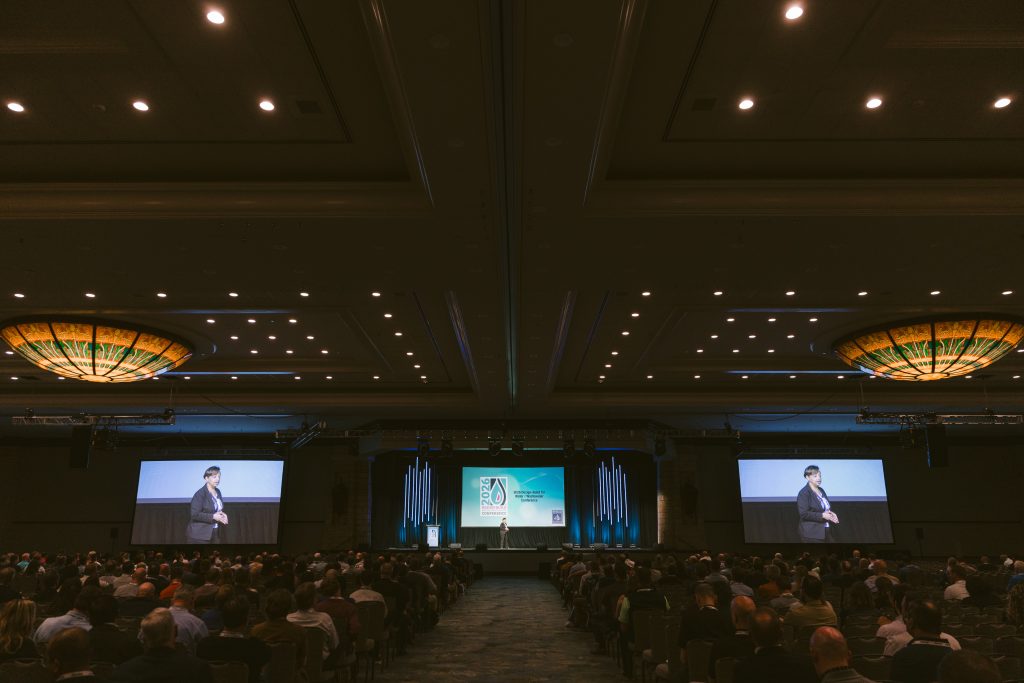
DBIA’s 2026 Design-Build for Water/Wastewater Conference is another record breaker, with nearly 1,600 industry professionals gathering at the Gaylord Texan Resort & Convention Center in Grapevine, Texas.
Water and wastewater work is accelerating for a reason. Systems across the country are aging as population growth, regulatory pressure and resilience needs drive new investment. That combination is expanding the pipeline and raising the stakes for how projects are planned and delivered. This year’s conference met that moment by bringing Owners and industry together to focus on what it takes to deliver in this environment.
A Record Year and a Reality Check
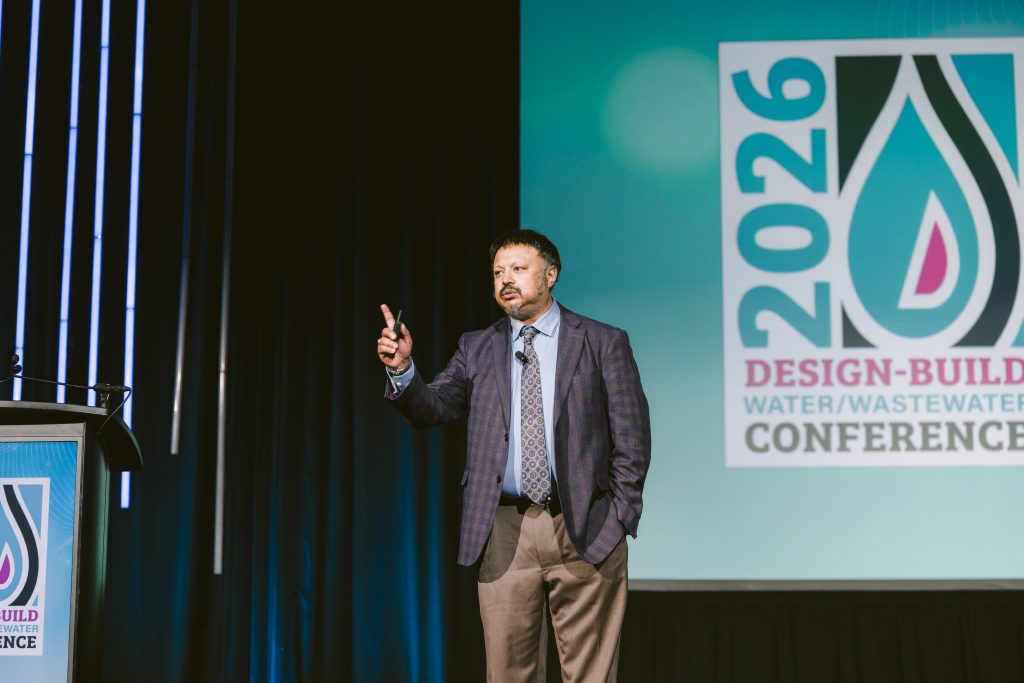
The conference opened with a data-driven keynote from economist Anirban Basu, Chairman and CEO of Sage Policy Group, who examined what current economic conditions mean for project pipelines in the year ahead.
Peppered with the occasional Taylor Swift/Travis Kelce prediction and more than a few Sylvester Stallone references, Basu’s message centered on how shifting economic signals will shape capital planning, risk tolerance and delivery decisions across the water/wastewater sector.
Basu also underscored the execution gap, explaining that strong demand alone can’t guarantee outcomes. It’s imperative for teams to focus on disciplined planning, pricing clarity and aligned risk to deliver water/wastewater infrastructure that can keep up with economic and demographic conditions.
Owners Set the Tone
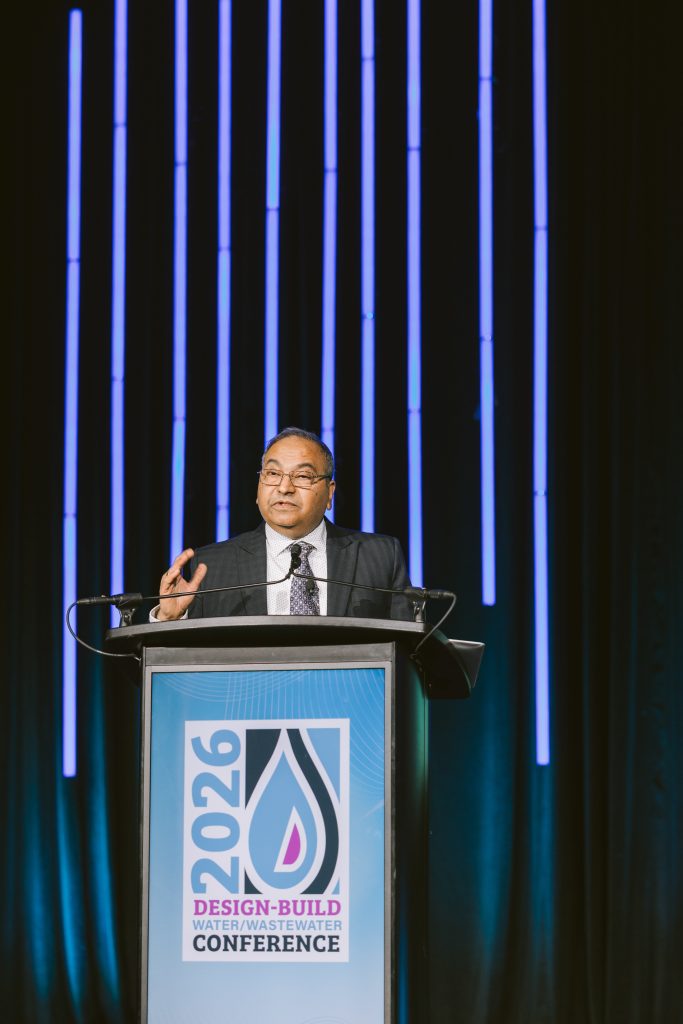
The focus on water/wastewater infrastructure that meets reality carried directly into Tuesday’s general session, where Owners and industry leaders shared project pipelines, timelines and delivery approaches in a candid, real-time exchange.
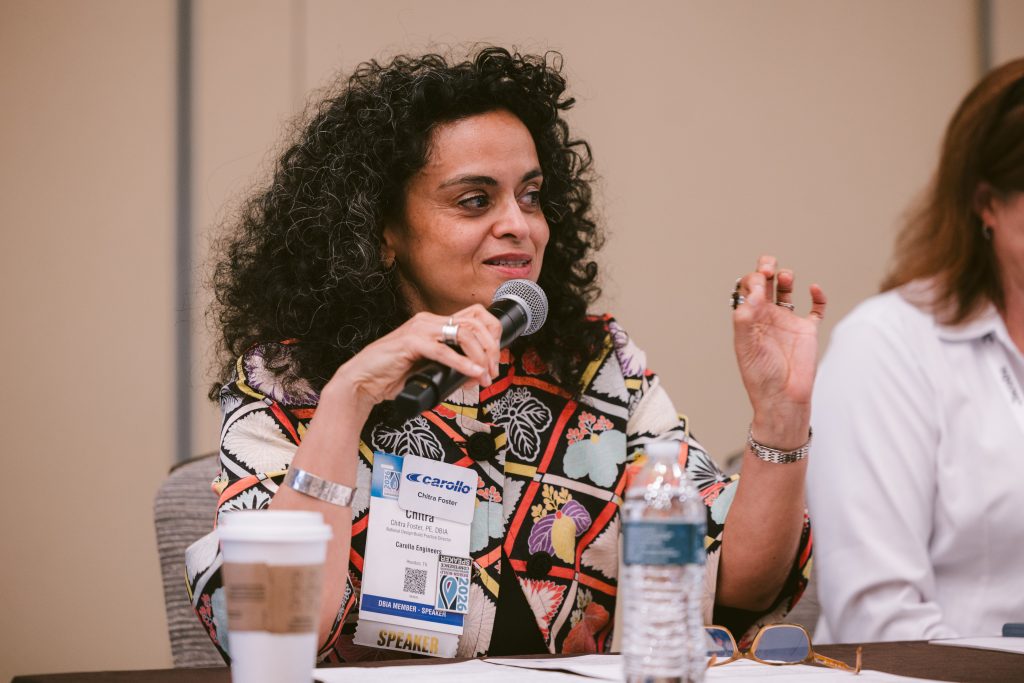
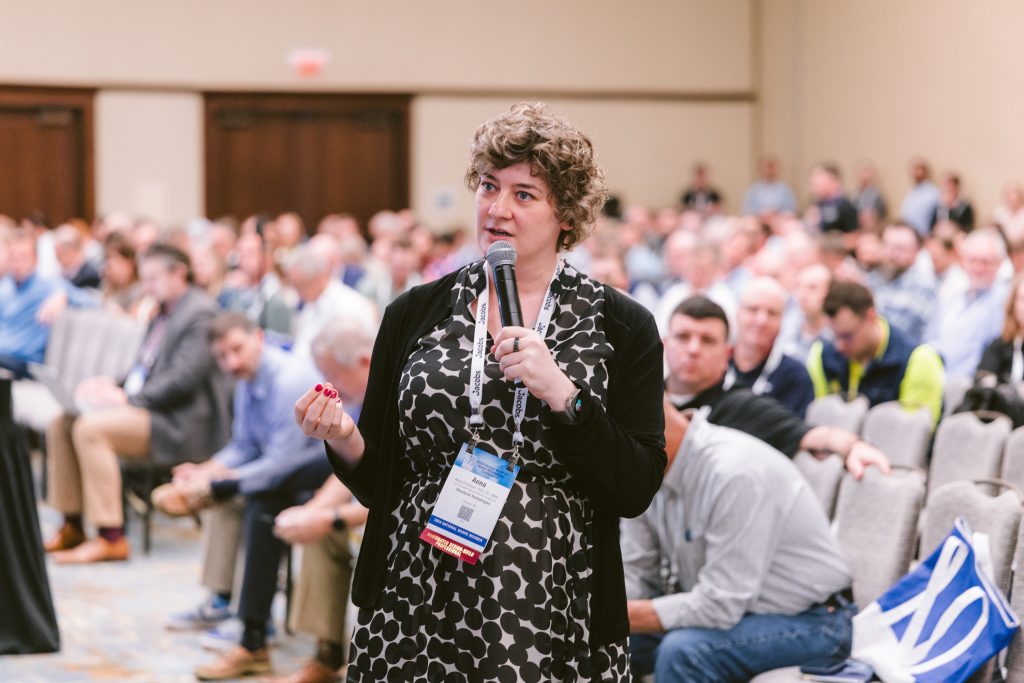
In a new format for this conference, representatives from utilities and agencies — including American Water, Los Angeles County Sanitation Districts, the City of Port St. Lucie, North Texas Municipal Water District and San Francisco Public Utilities Commission — offered a look at what’s ahead and how they’re approaching delivery. Afterward, a detailed Q&A session let attendees pick the brains of real project teams delivering real projects.
For many in the room, this kind of access is the difference between theory and practice. It’s one thing to talk about collaboration. It’s another to hear directly from Owners about what they need, what’s coming and how teams can be ready.
Forums That Drive the Conversation
Before the keynote set the economic context, the conference opened with two of its most in-demand sessions: the Practitioners’ Forum and the Owners’ Forum.
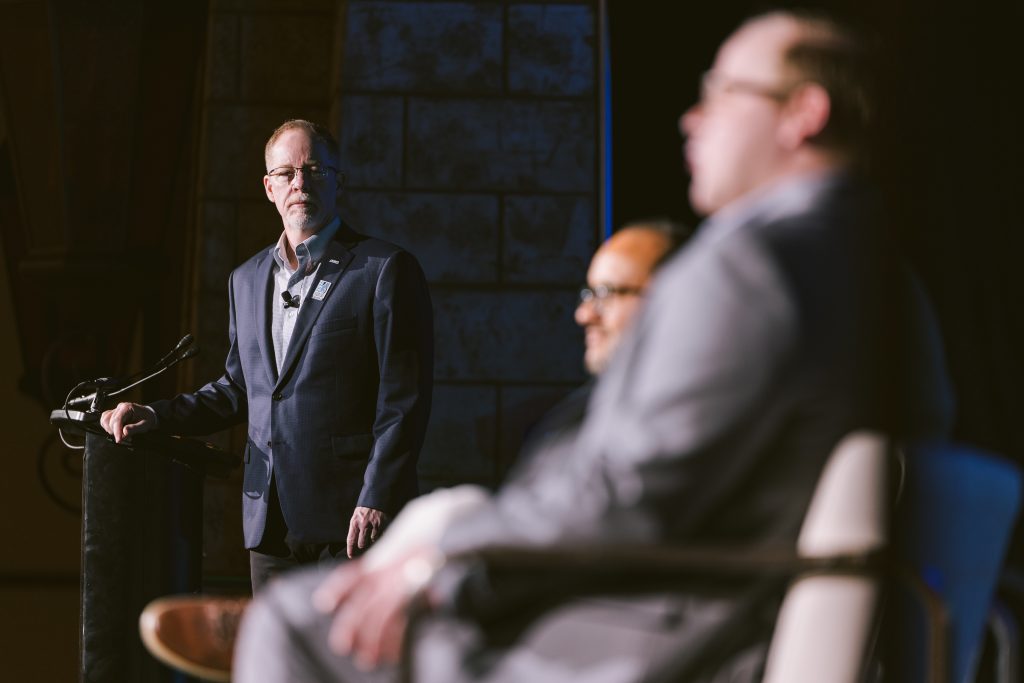
The Practitioners’ Forum brought together DBIA leadership and industry peers for a candid, working session on what’s next for design-build. This year’s discussion centered on the growing role of Owner Advisors (OA) as more Owners adopt design-build, often for the first time. With DBIA exploring the function and value of Owner Advisors in a new research project with FMI, the conversation focused on how experienced OAs can close knowledge gaps, strengthen decision making and help teams deliver Design-Build Done Right.
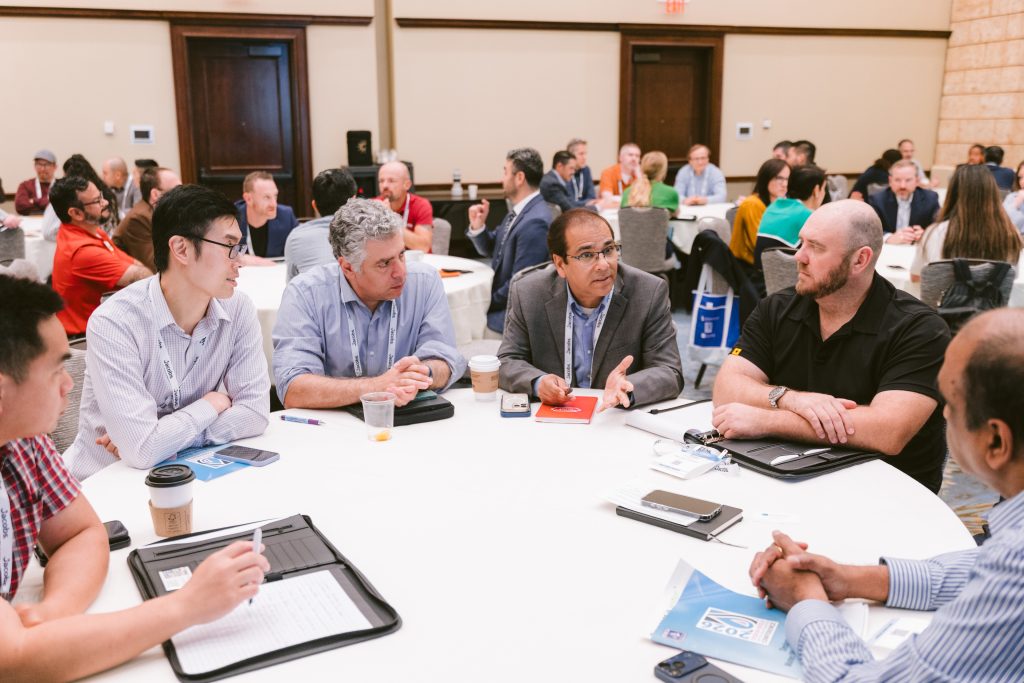
The Owners’ Forum ran in parallel, offering a closed-door setting for Owners to speak with peers about project delivery challenges, solutions and lessons learned. Attendees highlighted these peer-led discussions as a conference favorite, citing practical insights and shared best practices as key takeaways. The session reinforced that when Owners exchange real experiences, the entire industry benefits.
Learning Across Every Track
Beyond the general sessions, attendees had access to four education tracks designed to meet the moment across the water/wastewater sector.
- Owners Empowered explored how strong Owner leadership, supported by experienced advisors and collaborative teams, leads to better project outcomes.
- Speed Strategized examined how design-build turns schedule pressure into disciplined execution through sequencing and coordination.
- Collaboration Elevated highlighted how early alignment and open communication drive cost certainty and schedule confidence.
- Innovation Delivered showcased the technologies and adaptive approaches shaping the next generation of water/wastewater infrastructure.
Together, the tracks reinforced a consistent theme that success in this environment requires a strategy that aligns leadership, process and innovation from the start.
Momentum Through the Final Day
That alignment continued into the conference’s final day. A forward-looking general session, Beyond the Limits: Charting the Future of Water Design-Build, focused on legislative realities, market constraints and what it will take to expand access to collaborative delivery across the sector.
The conference wrapped with a joint networking lunch for both water/wastewater and transportation/aviation attendees. Next, a joint general session offered an early look at findings from a landmark Progressive Design-Build study.
While record attendance drew attention, the most significant impact came from the in-depth conversations and actionable insights shared among industry professionals. Key takeaway: Genuine engagement and learning during sessions lead to lasting improvements.
The water/wastewater sector isn’t slowing down. Delivering on that growth effectively, collaboratively and at scale requires more than momentum.
As the sessions at the 2026 DBIA Design-Build for Water/Wastewater Conference demonstrated, it requires the kind of alignment and insight that only happens when the right people are in the same place, having the right conversations.
See more moments from the Water/Wastewater conference in our SmugMug album.
Tomorrow is the first full day of the 2026 DBIA Design-Build in Transportation/Aviation Conference, also at the Gaylord Texan.