As water/wastewater Owners face aging infrastructure, capacity pressures and active facilities that can’t simply shut down, design-build is helping teams plan earlier, manage risk and keep critical projects moving.
Water and wastewater Owners are being asked to do more than ever. They must modernize aging infrastructure, expand capacity, manage rising costs and deliver resilient systems in rapidly changing communities. Success increasingly depends on delivering projects quickly, collaboratively and effectively.
As a result, more Owners are turning to design-build and, increasingly, progressive design-build (PDB) to meet growing infrastructure demands.
According to FMI’s 2024 Design-Build Utilization Study, water/wastewater is expected to be one of the fastest-growing design-build market segments through 2028, with a projected 7.8% compound annual growth rate. The same research found water/wastewater leads all sectors in progressive design-build utilization, reflecting a growing industry emphasis on flexibility, early collaboration and shared problem-solving.
The growth illustrated in FMI’s findings is a reflection of the day-to-day realities water and wastewater Owners navigate, from aging systems and expanding communities to rising expectations and the constant need to avoid disruption. For many, it’s less about whether project delivery needs to change and more about how quickly teams can get aligned around approaches that truly fit the work in front of them.
The reasons are practical as much as strategic.
Water and wastewater projects often carry extraordinary complexity. Facilities must remain operational during upgrades. Regulatory requirements evolve. Existing site conditions can be difficult to fully understand before work begins. Equipment procurement, sequencing, commissioning and tie-ins all require careful coordination because even small disruptions can have significant consequences for operations, including impacts to service reliability and public confidence.
At the same time, Owners face increasing pressure to manage risk, maintain public trust and protect ratepayer dollars, all while delivering projects on accelerated timelines. More fragmented delivery approaches can struggle under those conditions, particularly when siloed teams and limited early communication create delays, disputes or costly redesigns.
When teams remain separated by contract structure, procurement sequence or limited early communication, critical project knowledge often surfaces later than it should. In water and wastewater work, that delay can lead to redesign or resequencing as well as change orders. Disruptions like these create avoidable tension at precisely the point when Owners need clarity and momentum.
Collaborative delivery offers a different approach.
As projects grow more complex and expectations continue to rise, delivery strategies that prioritize collaboration, flexibility and early alignment are gaining traction across the water sector.
Design-Build Done Right® best practices help teams identify challenges earlier and maintain stronger alignment throughout project delivery. Bringing key stakeholders together early in the process helps improve coordination, support faster decision making and reduce costly disruptions later in the project lifecycle.
Collaborative Delivery in Practice
Last year’s DBIA Project/Team Award winners in water/wastewater show how collaborative delivery performs in real-world conditions, where Owners must balance complex operations and public accountability while considering long-term infrastructure needs.
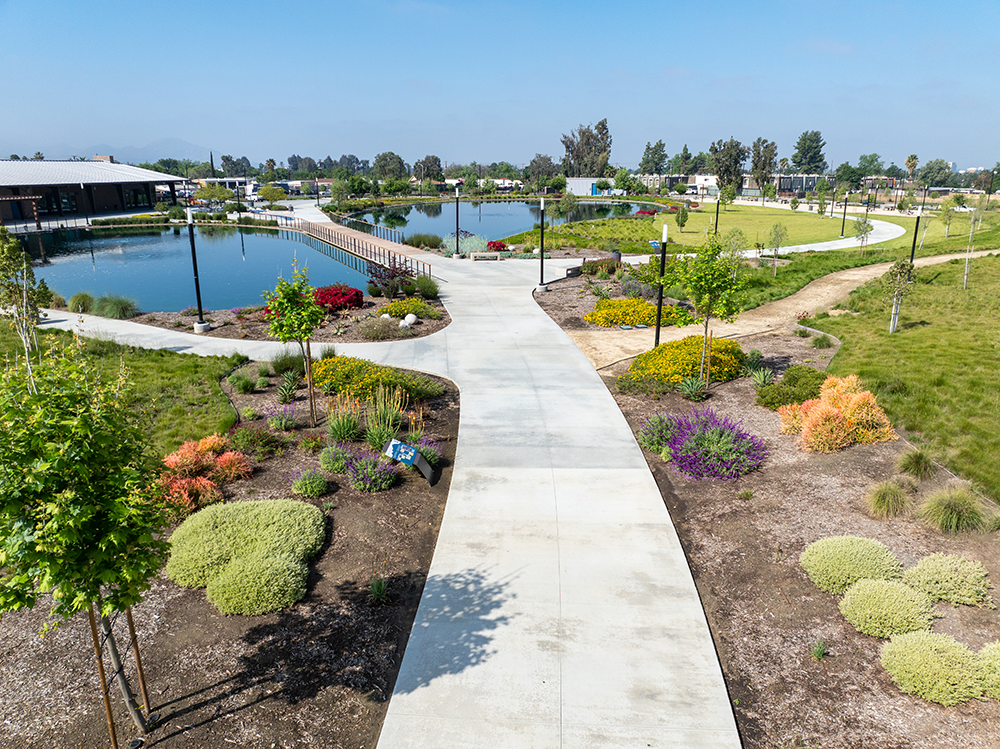
California’s Sterling Natural Resource Center demonstrates how PDB can support infrastructure goals that extend well beyond treatment capacity alone. The project treats up to 8 million gallons of water per day (MGD) and recharges the local groundwater basin, helping create a more resilient regional water supply. It also combines advanced water recycling with renewable energy generation, using co-digestion of wastewater sludge and locally sourced food waste to produce 3 megawatts of electricity. Just as important, the project incorporated public-facing amenities, including a community center, amphitheater, picnic areas, gardens and educational features.
When the project scope increased by 20% midstream, including the addition of the co-digestion facility, PDB helped absorb that change without resetting the contract.
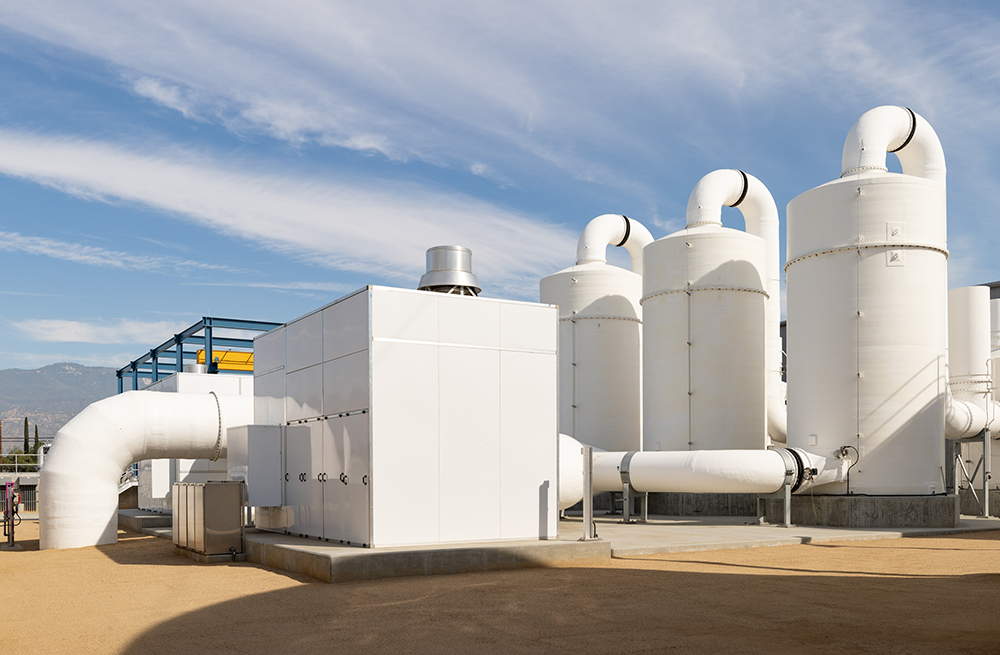
In Georgia, the Big Creek Water Reclamation Facility Expansion supported one of the nation’s fastest-growing regions through Fulton County’s largest-ever capital infrastructure project. The expansion increased treatment capacity from 24 MGD to 32 MGD and replaced an aging conventional treatment system with membrane bioreactor technology to improve discharge quality into the Chattahoochee River. The team also designed the facility for gravity flow, reducing the need for energy-intensive pumping and creating long-term operational savings.
Through PDB, the team was able to begin early site work before design reached 80% completion, accelerating the schedule and reducing costs. Prefabrication, modularization, reuse of existing infrastructure and on-site material processing created additional savings while helping the facility remain positioned for future expansion.
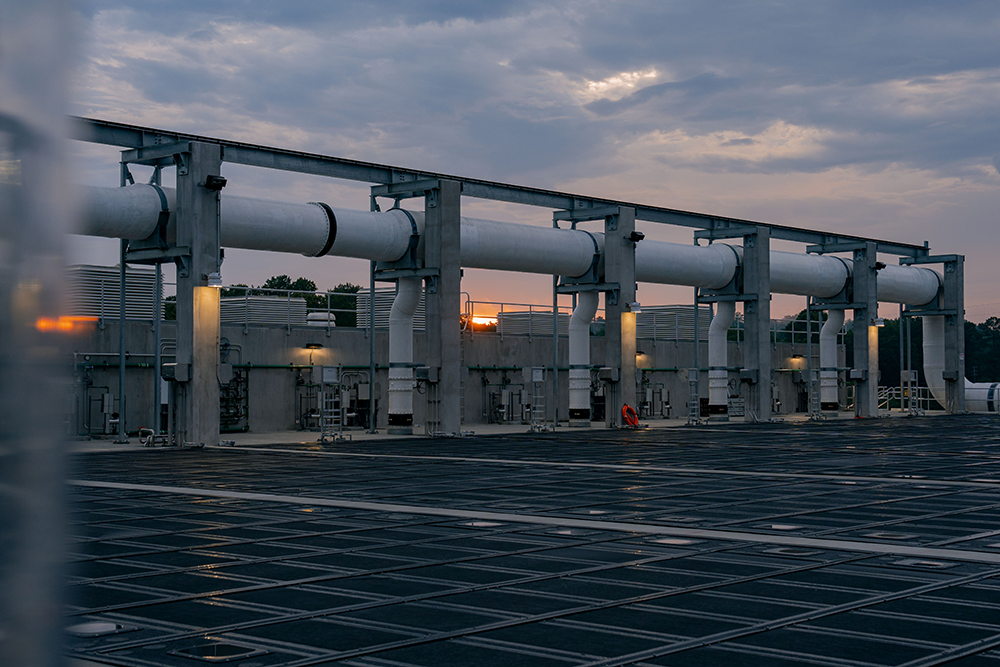
The McAlpine Creek Wastewater Management Facility Reliability and Process Improvements project demonstrates how PDB can support phased delivery and operational continuity during major upgrades to an active facility. Originally built in the 1960s, McAlpine Creek is the largest of Charlotte Water’s five treatment plants. The six-year rehabilitation extended the service life of critical equipment by approximately 25 years, increased wet weather capacity by 40 MGD and helped the facility prepare for future demand and regulatory requirements.
Early team integration supported careful sequencing, early procurement of long-lead equipment, off-site prefabrication and decisions that reduced schedule risk. Those choices helped shorten the schedule, limit disruption to ongoing operations and deliver more than $15 million in additional value without increasing the original budget.
North Carolina’s Rocky River Regional Wastewater Treatment Plant Phase 3 Expansion delivered critical capacity improvements three years ahead of schedule while returning nearly $8.5 million to the Owner. Operated by the Water and Sewer Authority of Cabarrus County, the project addressed urgent capacity and reliability needs in one of North Carolina’s fastest-growing service areas.
PDB allowed the Owner, design-builder and engineer to form an integrated team early, procure long-lead items before design was finalized and overlap design and construction where appropriate. Prefabrication, modular assemblies and strategic sequencing helped reduce field labor and minimize operational disruptions. The project also improved nutrient removal, reduced chemical and energy use and supported long-term utility-rate stability for residents.
What These Projects Point To
Projects like these are changing how water and wastewater infrastructure is planned and delivered. They reflect how design-build has evolved beyond a simple procurement choice. Used well, it becomes a practical strategy for managing complexity, maintaining operations, improving coordination and delivering stronger long-term value.
For water and wastewater Owners, the difference is practical and immediate. These projects often involve active facilities, urgent capacity needs, public accountability and limited room for disruption. Design-build gives teams a better way to align early, make informed decisions and keep critical infrastructure moving from planning through startup.
As communities grow and infrastructure needs become more complex, Owners who can align teams early and keep projects moving without disrupting essential services will be better positioned to deliver the infrastructure their communities depend on.
Learn More
Design-Build Done Right® Universal Best Practices: Start with DBIA’s foundational guidance for procuring, contracting and executing successful design-build projects.
Water and Wastewater Design-Build Best Practices: Use DBIA’s sector-specific guide to help teams navigate the unique project delivery challenges of water and wastewater infrastructure.
Progressive Design-Build Done Right®: Progressive Design-Build Best Practices: Explore DBIA’s free primer on implementing PDB with discipline and clarity.
Progressive Design-Build Education: Learn the basics of Progressive Design-Build Done Right® through DBIA’s Owner- and practitioner-focused education.
2025 DBIA Project/Team Award Winners: See more award-winning design-build projects across sectors, including water/wastewater.
DBIA Project Database: Search DBIA’s Project Database to find real-world examples of design-build projects, including details on project teams, delivery approaches and results.
2026 Design-Build for Water/Wastewater Conference Recordings: You can still earn continuing education hours (CEHs) by purchasing our 2026 Design-Build for Water/Wastewater Conference recording packages or individual sessions.
Plan Ahead for 2027: Continue the conversation at DBIA’s 2027 Design-Build for Water/Wastewater Conference, April 28–30, 2027, in Denver. The nation’s only design-build event focused specifically on the water/wastewater sector brings together Owners, practitioners and project partners for education, networking and sector-specific insight.
Sterling Natural Resource Center
Big Creek WRF Expansion
McAlpine Creek Wastewater Management Facility Reliability and Process Improvements
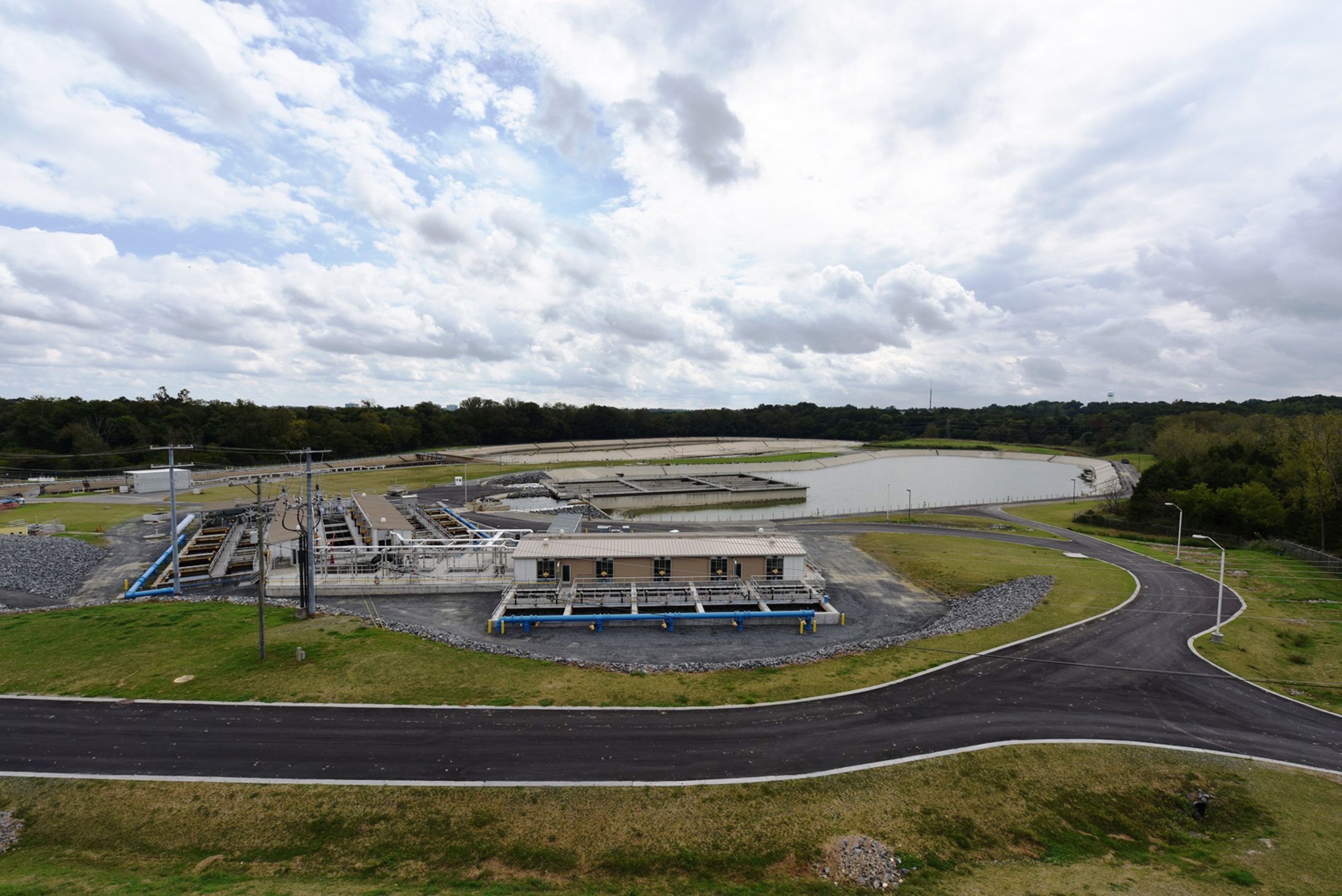
Rocky River Regional Wastewater Treatment Plant Phase 3 Expansion