This four-part series explores how design-build teams respond when the stakes are highest. In Part 1, we traced design-build’s emergence as a vital tool in emergency recovery. Part 2 examined modern natural disasters and environmental mitigation efforts, from island causeways to coastal resilience, where collaboration under pressure transformed disorder into progress. In this third installment, we highlight several DBIA award-winning projects that show how design-build performs when aging infrastructure fails or when communities choose to strengthen essential systems before a crisis hits. In Part 4, we’ll give you tools and resources to prepare your team before crisis hits.
Not all crises arrive with a forecast. Sometimes they start beneath our feet or behind the walls of the systems we rely on. A bridge weakens one joint at a time, a pipe corrodes slowly out of sight, a treatment plant can no longer handle the weight of growth. When these failures surface, the results are swift and severe, demanding recovery that can’t wait for bureaucracy.
Across the country, design-build teams are proving that failure doesn’t have to mean breakdown. They’re stepping in where aging infrastructure falters to transform moments of disruption into opportunities for renewal. Whatever the failure or its cause, design-build is well positioned to restore order when systems lose balance.
Rebuilding Under Pressure
As explored in Part 1, the I-35W St. Anthony Falls Bridge collapse in Minneapolis in 2007 marked a defining moment for emergency infrastructure delivery. The Minnesota Department of Transportation rebuilt the 10-lane crossing in less than a year, 98 days ahead of schedule and under intense national scrutiny. The project became a benchmark for accelerated recovery and earned DBIA’s 2009 Best Overall Design-Build Project Award, proving speed and quality can coexist even under extreme pressure.
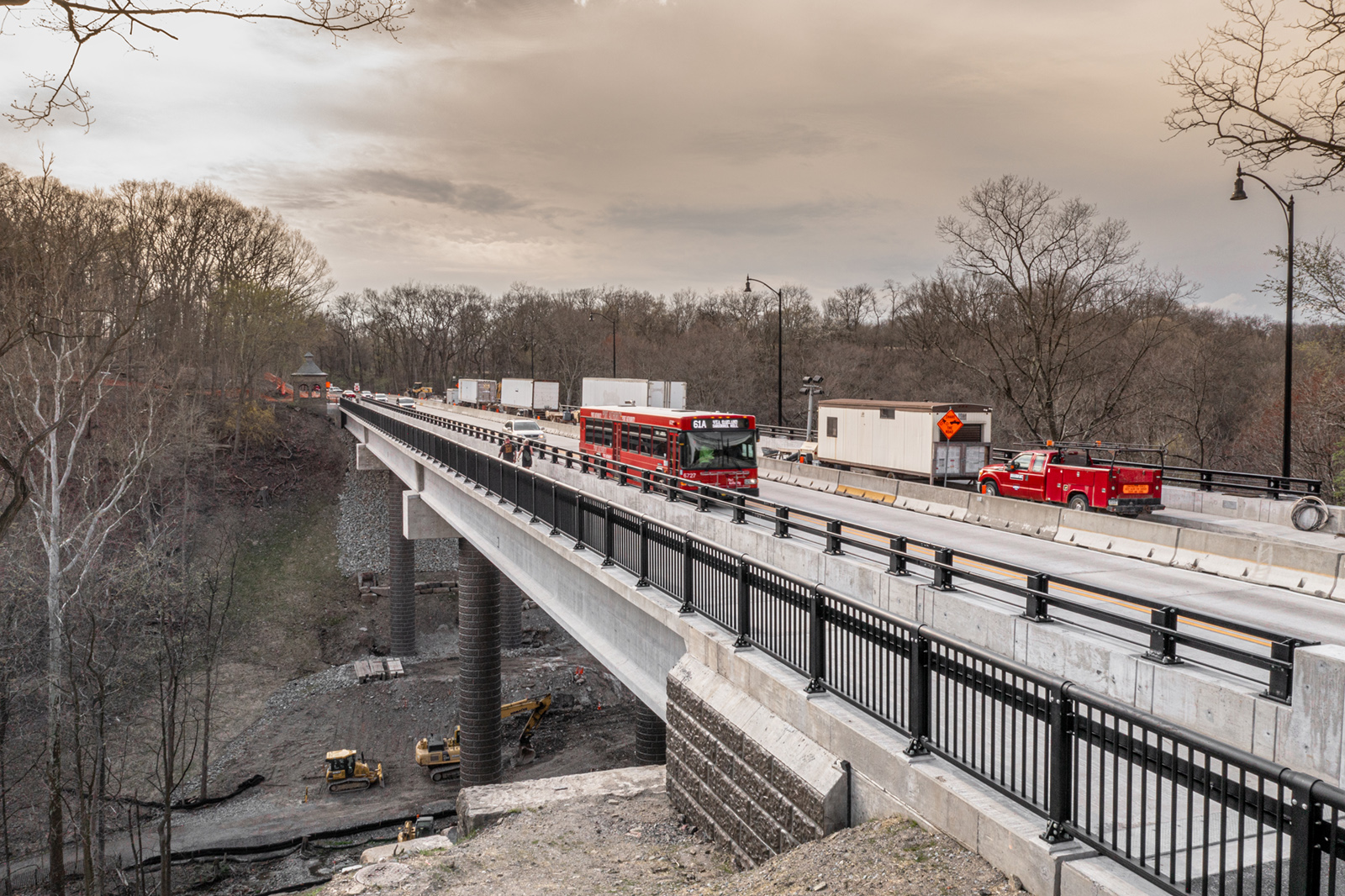
That same sense of urgency and coordination carried forward into later crises. Fifteen years later on a snowy January morning in Pennsylvania, the Fern Hollow Bridge collapsed, sending vehicles and a city bus plunging nearly 100 feet into Pittsburgh’s Frick Park. Within weeks, PennDOT activated a progressive design-build (PDB) contract, and Swank Construction and HDR mobilized to replace the bridge. Through unified decision-making and co-located design, coupled with round-the-clock work, PennDOT reopened the span in just 11 months—a process that would normally take five years. The project not only restored mobility but redefined what emergency delivery can achieve when time and trust are treated as equal priorities, earning DBIA National Awards of Merit in Transportation and Best in Small Projects in 2024.
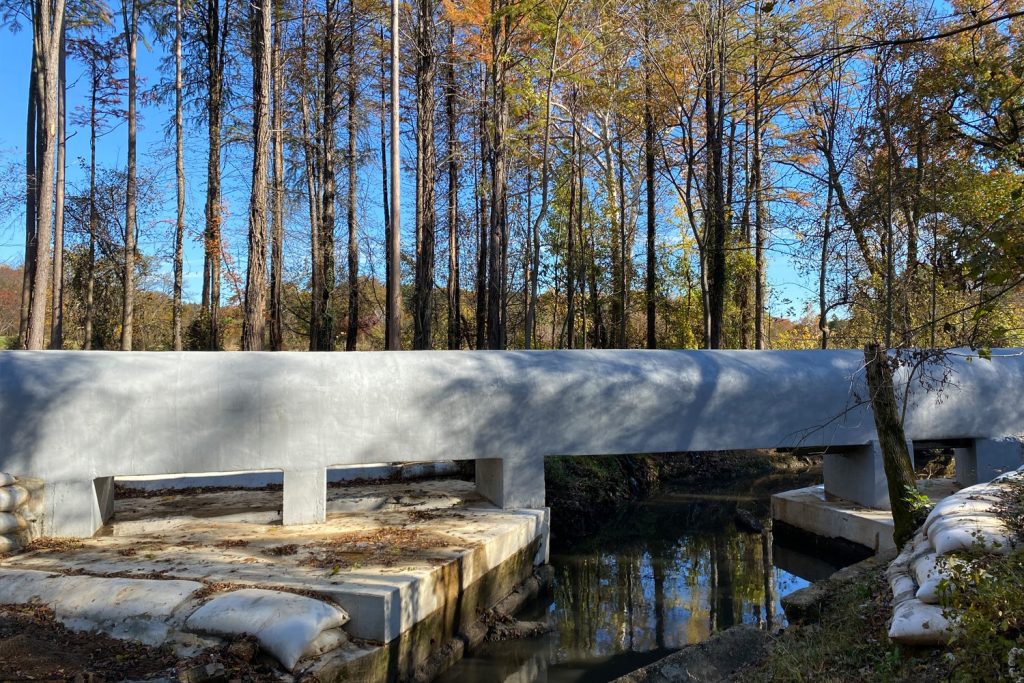
In Washington, D.C., an aerial sewer crossing inside the U.S. National Arboretum faced imminent failure after record flooding and erosion. The Department of Energy and Environment approved a “permit later, repair now” approach for the Emergent Structural Renewal of the Hickey Run Aerial Sewer Crossing, allowing immediate stabilization efforts to begin. DC Water’s emergency design-build team brought together engineers, contractors and regulators to collaboratively develop a multifaceted solution for the structural repair of this critical wastewater structure. The in-situ rehabilitation addressed 58 linear feet of the aerial sewer crossing and its supporting structure, combining micropiles, concrete enlargement and composite strengthening systems to secure the 51-inch interceptor without disturbing the Arboretum’s protected environment. In addition to meeting cost and schedule goals, the project extended the structure’s service life by 50 years, leading to a 2022 DBIA National Award of Merit in Water/Wastewater.
Further west, Kansas City’s West Blue River Interceptor became the site of an environmental emergency when a collapsed section of the pipeline spilled wastewater into Brush Creek. The design-build team, led by Leath & Sons and Burns & McDonnell, completed permanent repairs in just 105 days. Replacing 375 feet of interceptor and drilling new bedrock foundations, they restored service and eliminated long-term contamination risks in the time it would have taken traditional delivery to mobilize.
These projects are different in scale, geography and urgency, but they share a defining thread: design-build compresses time without compromising rigor. By uniting Owners, designers and builders under a single mission, teams can respond to failure at the speed of need.
Designing for What Comes Next
But what if teams could prevent collapses or failures before they cut communities off from their livelihoods? The same structure that drives rapid recovery also empowers communities to prevent collapse before it happens. As climate volatility and population growth strain capacity, more Owners are turning to design-build to modernize aging systems and preempt the types of disasters seen in Pennsylvania, Missouri and D.C.
Water Systems on the Brink
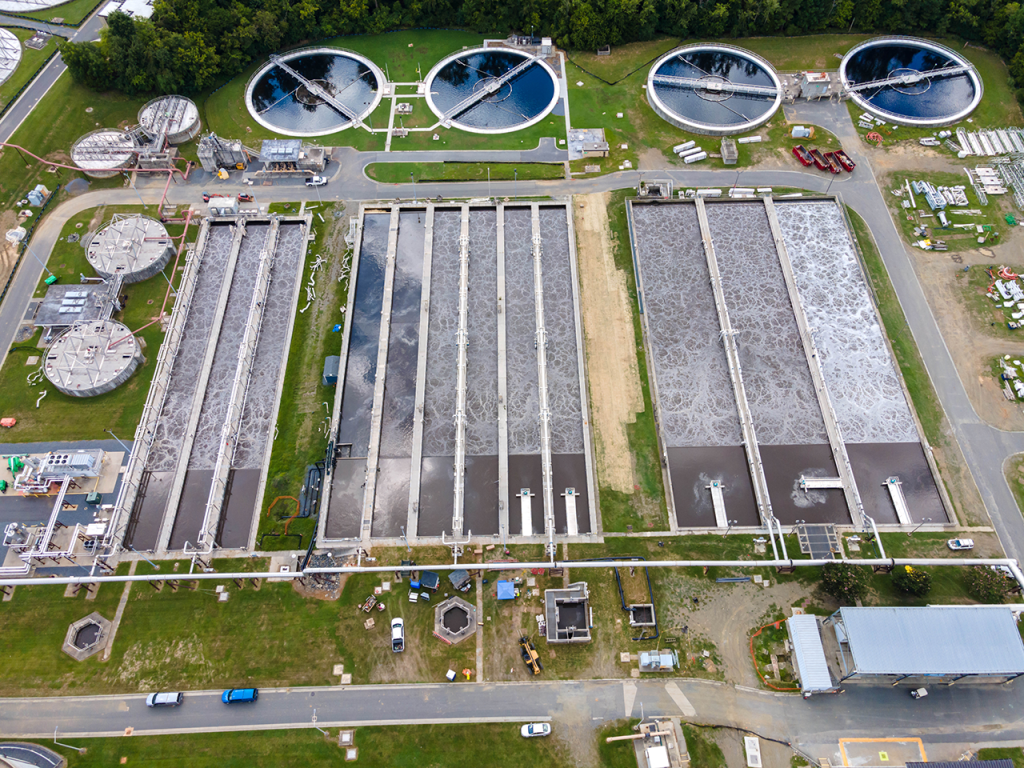
Across the Southeast, water and wastewater systems are being reimagined through design-build to meet rising demand and protect essential resources. In Georgia, the Big Creek Water Reclamation Facility Expansion — a 2025 National Award of Merit winner in Water/Wastewater — represents Fulton County’s largest-ever infrastructure investment. Using PDB, the team expanded capacity from 24 to 32 million gallons per day and introduced advanced membrane bioreactor (MBR) technology that dramatically improved water quality for more than 250,000 residents. Despite supply chain challenges and inflationary pressures, the project finished on time and within budget, creating long-term reliability that safeguards the region against future system strain.
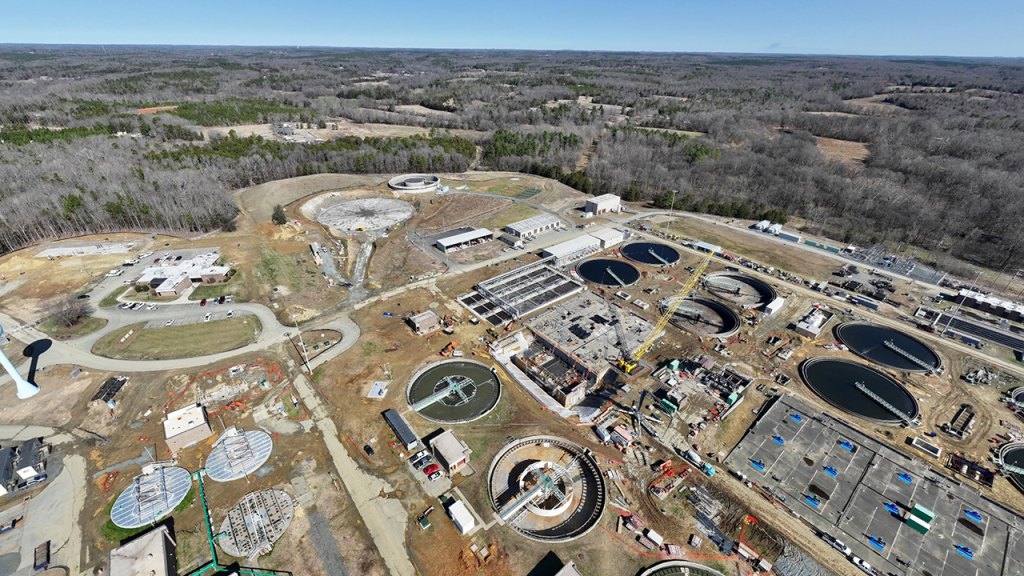
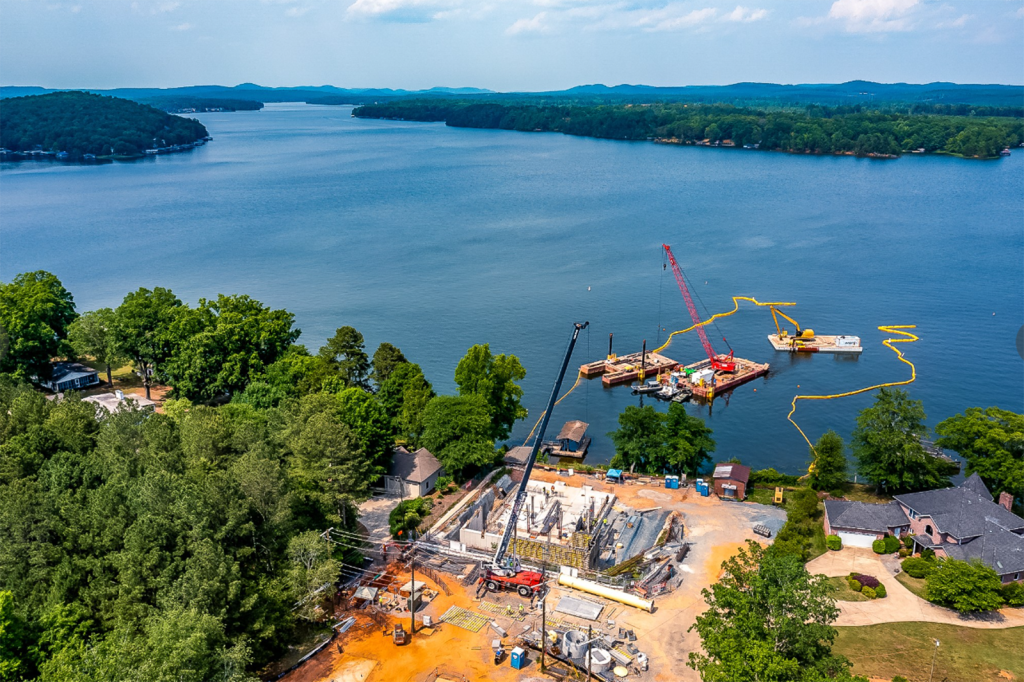
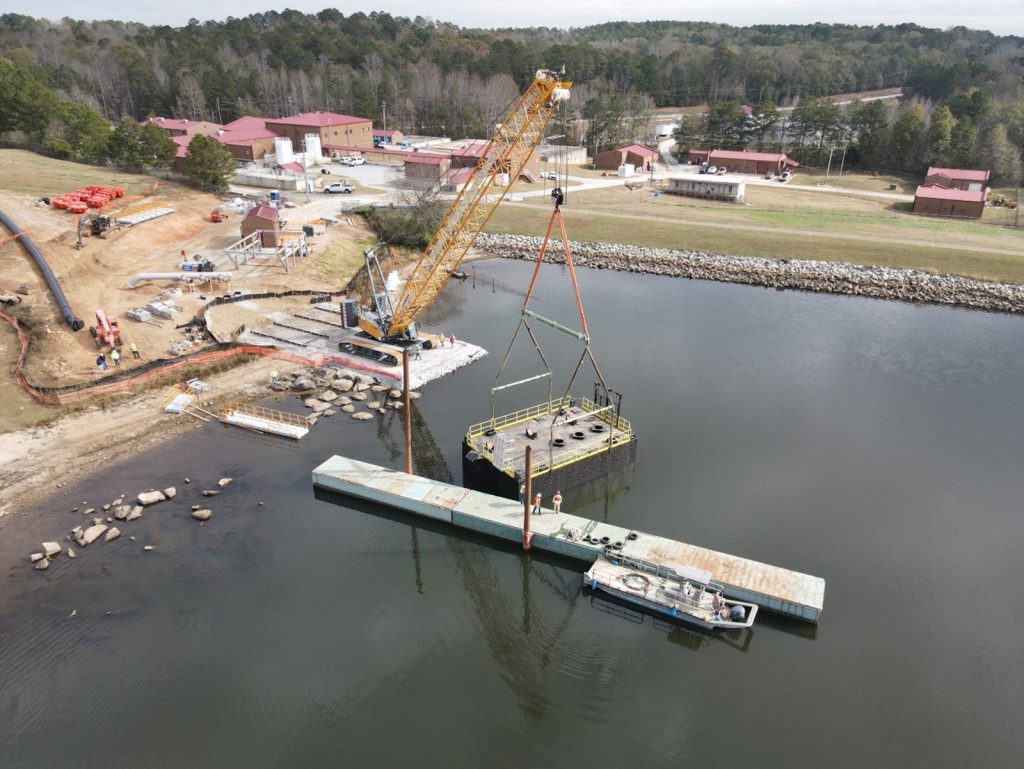
Just north in North Carolina, a trio of design-build efforts is redefining how communities plan for growth and water security. The McAlpine Creek Wastewater Management Facility and Rocky River Regional WWTP Expansion modernized aging systems to boost performance and efficiency, earning 2025 DBIA National Awards of Merit in Water/Wastewater. The Yadkin Regional Water Supply Project, honored with a Merit Award in 2024, added a new intake, 45-MGD pump station and large-diameter pipelines to secure reliable water access for more than 180,000 residents. Together, these projects reflect a statewide commitment to proactive investment and the importance of planning for resilience.
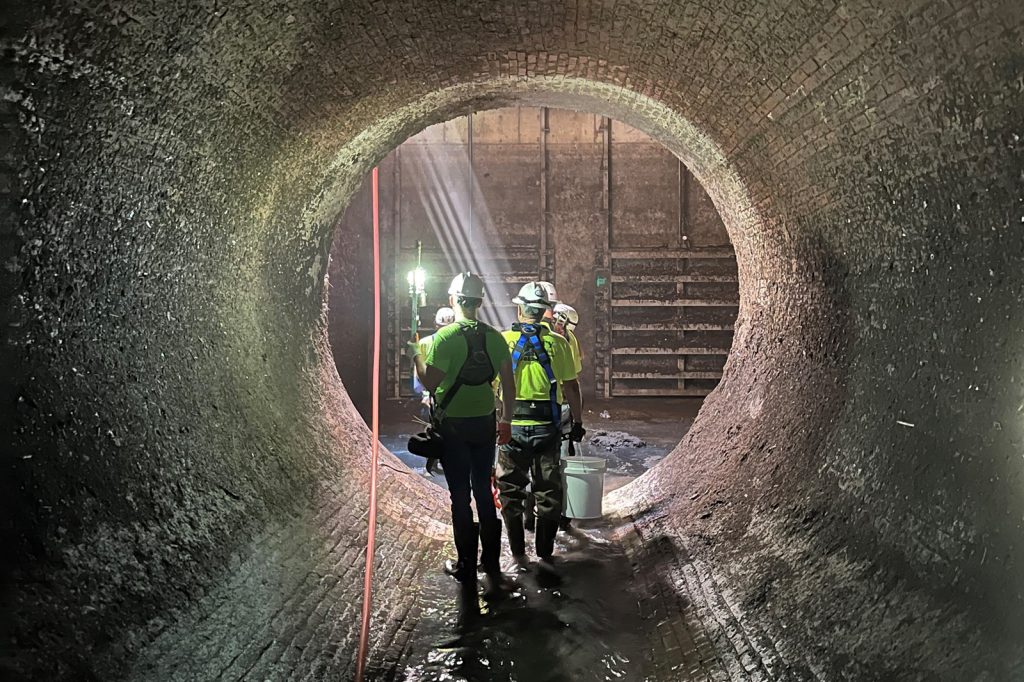
In Louisville, Kentucky, the Large Diameter Sewer Rehabilitation Project — winner of DBIA’s 2024 National Awards of Excellence and Merit in Rehabilitation/Renovation/Restoration — addressed the city’s crumbling 19th-century sewer network through Progressive Design-Build. The approach enabled early collaboration and expedited repairs across flood zones, healthcare corridors and residential neighborhoods, preventing further collapses while minimizing disruption. Extensive public outreach built trust in the project’s necessity and restored confidence in a system that had long been on the brink. Similarly, Georgia’s Cornish Creek Water Treatment Plant Improvements, another 2024 Merit Award winner, upgraded essential systems to ensure reliability for a rapidly growing population.
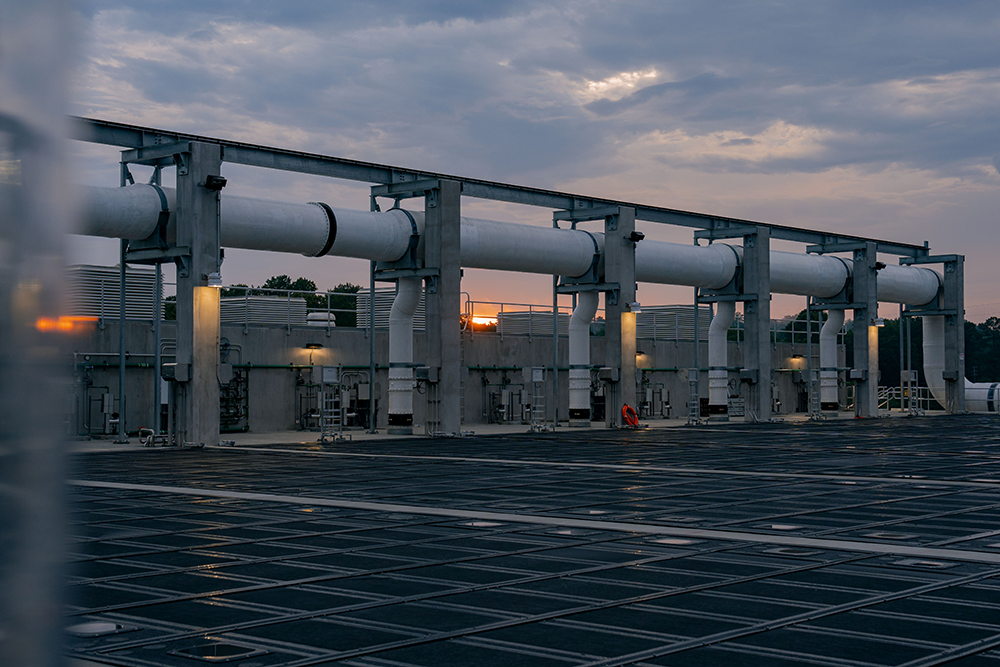
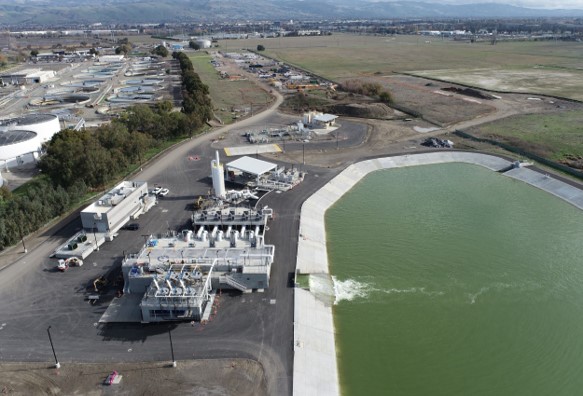
On the West Coast, the Headworks Facility at the San Jose–Santa Clara Regional Wastewater Facility, Excellence and Merit winner in Water/Wastewater in 2024, redefined what modernization can look like. This project replaced aging infrastructure with resilient systems engineered to adapt to climate challenges while maintaining uninterrupted service for millions of residents.
Getting Around for Decades to Come
While utility projects protect what flows beneath our communities, transportation agencies are confronting the same challenge above ground, aiming to replace aging bridges and corridors before failures like Fern Hollow or I-35W make headlines.
In South Carolina, the U.S. 21 Over Harbor River Bridge Replacement — winner of a National Award of Merit in Transportation in 2022 — replaced a 1930s-era swing-span bridge that had become too narrow and structurally deficient to safely carry the traffic connecting Harbor and Fripp Islands. The new 3,340-foot fixed-span bridge doubles lane width, adds full shoulders and provides 65 feet of vertical clearance for marine traffic to facilitate safe passage both above and below. The project’s aggressive schedule and complex seismic and coastal engineering needs made the use of design-build essential.
With 13 DBIA-certified professionals leading the process, the South Carolina Department of Transportation completed the bridge five months ahead of schedule while protecting sensitive coastal ecosystems and wildlife. By addressing structural deterioration before it became a public emergency, SCDOT demonstrated the foresight that prevents the kind of abrupt collapse and community disruption seen shortly after at Pittsburgh’s Fern Hollow Bridge.
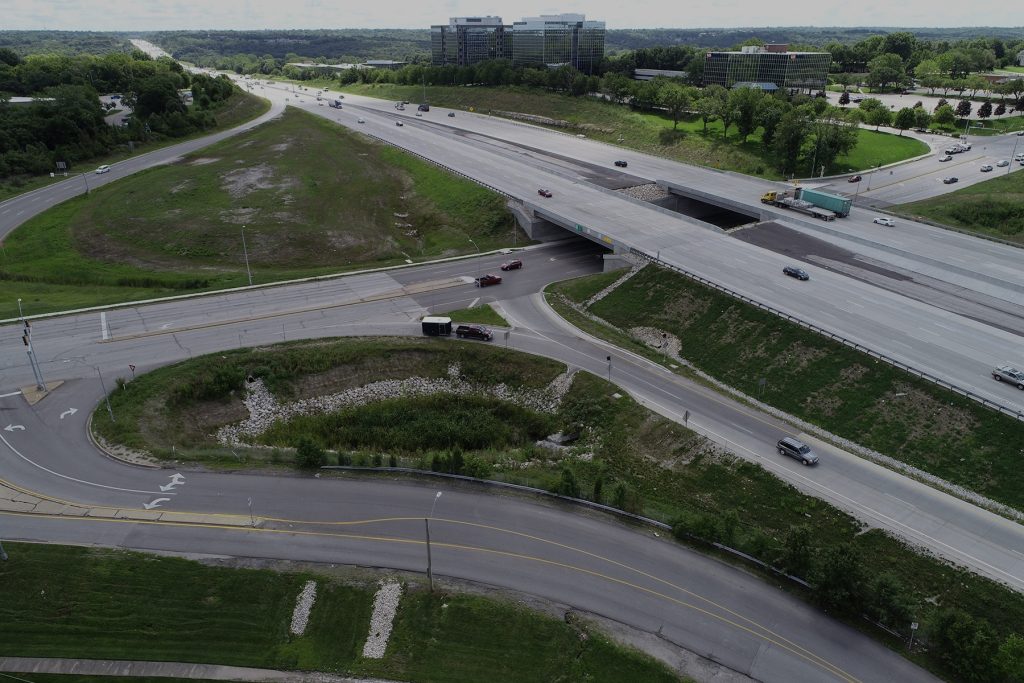
In Missouri, the I-435 South Loop Link Design-Build Project, a 2021 DBIA National Award of Merit winner, transformed one of Kansas City’s most congested corridors. Originally built in the 1960s, the interstate had become notorious as the “I-435 Parking Lot.” Through design-build, the Missouri Department of Transportation rehabilitated pavement and bridges, increased capacity and completed the work within a fixed $64.5 million budget and a two-season window. The team’s collaborative approach even enabled an emergency bridge repair outside the project’s original scope within 12 hours, keeping the highway open and safe. That adaptability and shared accountability turned what could have been a logistical nightmare into one of the city’s most celebrated transportation successes.
Together, these projects highlight how design-build empowers transportation agencies to act before failure forces their hand. By modernizing aging corridors and bridges ahead of crises, states like South Carolina and Missouri are illustrating that the best form of emergency response is prevention.

Building Confidence Through Collaboration
From collapsed bridges to slow system failures, these projects reveal how design-build sustains public trust in moments when confidence in infrastructure is shaken. Whether stabilizing a failing sewer, restoring a lost roadway or expanding a water network to meet future demand, collaboration remains the defining ingredient in recovery.
When the stakes are highest, design-build delivers stability and momentum. That capability is becoming a national imperative, and with nearly half of all U.S. construction expected to use design-build by 2028, DBIA provides the tools and guidance teams need to respond. From contracts and free primers to education programs and webinars, DBIA equips Owners and practitioners to deliver projects that withstand disruption and build resilience by design. Learn more about design-build in crisis response in Design-Build in Times of Crisis, updated for 2025.
In the final installment of this series, we’ll look ahead to how Owners, teams and agencies are applying these lessons to strengthen delivery systems, anticipate disruption and ensure design-build remains the foundation of a more resilient future.