From Antarctica to Pikes Peak, award-winning federal projects show what design-build can do when teams tackle complexity early.
“We’re not in it for profit. We’re in it to complete a mission.”
Bret Cummock, Program Director at the National Renewable Energy Laboratory (NREL), was talking about the Research and Innovation Laboratory (RAIL) in Golden, CO. But he could just as easily have been describing the challenge at the heart of any federal project.
Federal facilities and infrastructure are built to support a mission. Sometimes that means supporting scientific research; other times, military readiness or secure agency operations.The project becomes part of that work, shaped by the conditions in which it will operate and by what the people using it need to accomplish. It also has to keep serving that mission long after the project team has gone home.
Across DBIA’s award-winning federal projects, success often depends on involving the right people early enough to shape the solution, especially when the work demands specialized expertise or extraordinary logistics.
Building for the Environment
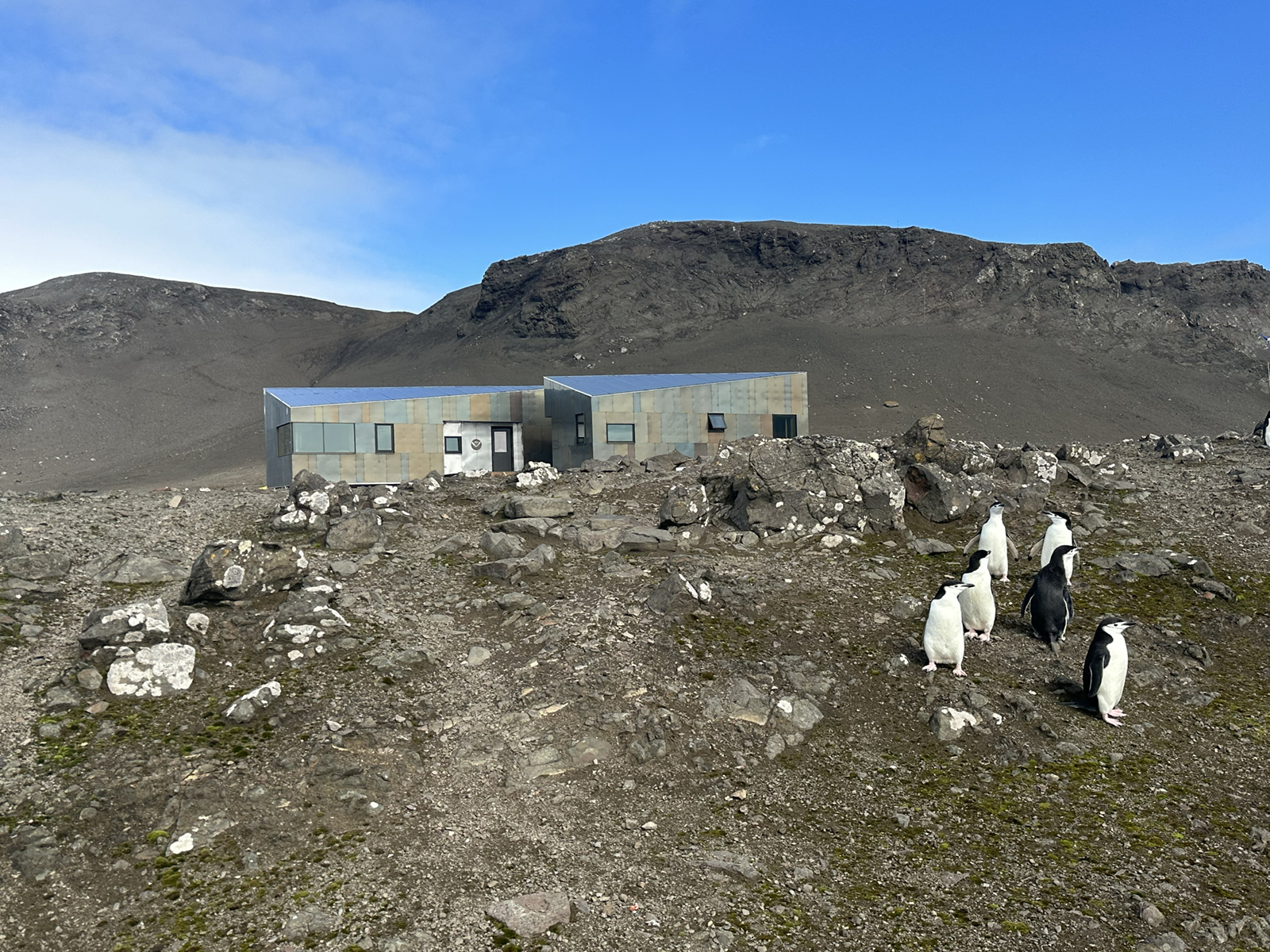
There are difficult job sites, and then there is Livingston Island, Antarctica.
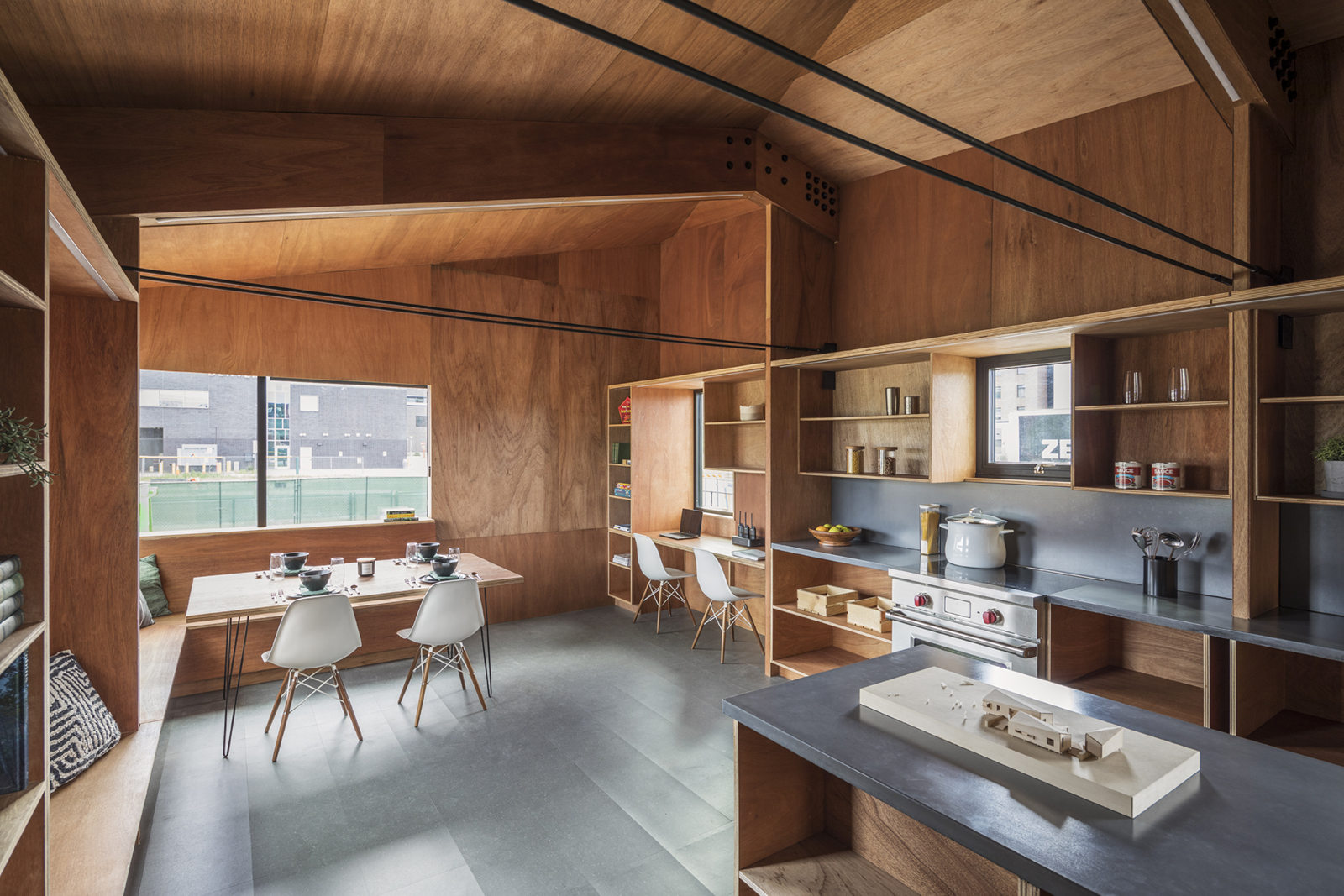
NOAA Fisheries needed to replace the aging Holt Watters Field Camp, where scientists live and work for months at a time in an environment that offers very little margin for error. At Holt Watters, the location shaped virtually every decision.
The team first test-built the structure in Colorado before disassembling it and packing it into containers for the trip south. After traveling through Chile and across the Drake Passage, the materials were transferred to smaller boats and landed on a beach before being moved to the site with limited equipment.
Getting the building there was only part of the problem.
“You’re not in a world run by humans,” said Ellie Mango, who served as the project’s camp manager and is now Field Operations Director for Bespoke Project Solutions. “You’re at the whim of the tides and the animals and the weather, so you really have to change your mindset when you’re down there.”
To work with that environment, the team developed an off-grid, zero-emission facility that occupied no more land than the structure it replaced. Modeling helped the team understand how snow and wind would interact with the building and how its thermal envelope would perform in the Antarctic environment.
Those decisions connected directly to NOAA’s mission. At Holt Watters, time and fuel are unusually precious. If a scientist is digging out a building or troubleshooting a facility problem, those are resources no longer being spent on research.
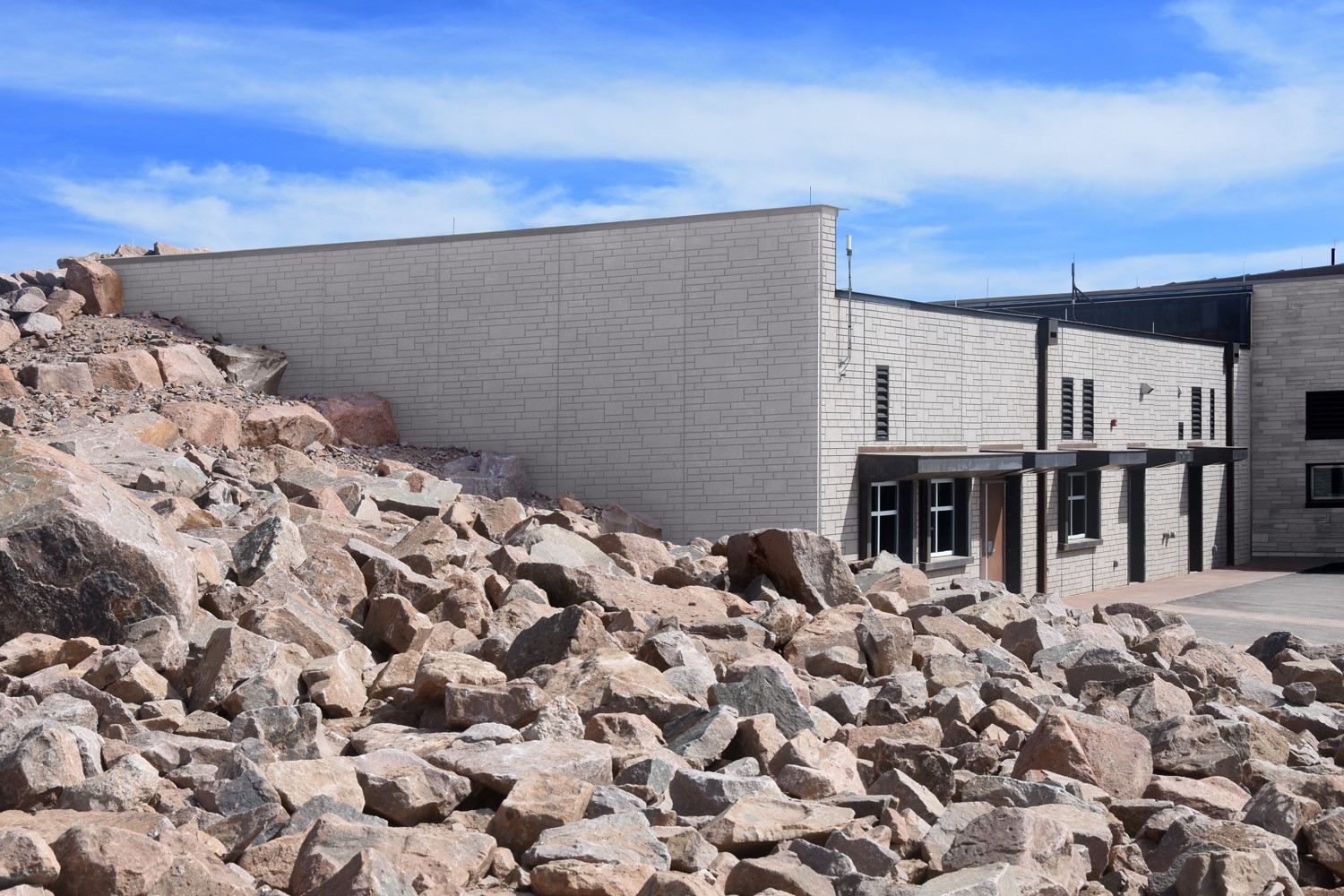
A similarly demanding project appears at the U.S. Army High Altitude Research Laboratory on Pikes Peak, even though the setting is entirely different. The laboratory is only about 4,000 sq. ft., but “small” becomes a fairly meaningless description when the building sits at roughly 14,000 ft.
The facility supports Army medical research into how altitude affects human performance and health. Researchers also needed living quarters on the mountain, all within federally approved space limitations.
Then there was the mountain itself. Water had to be brought up and wastewater taken back down. Weather and worker safety shaped the construction plan, while transportation limits dictated what materials and equipment could physically reach the summit.
Even the precast concrete panels were sized around what could make the trip up Pikes Peak and what the largest crane capable of reaching the summit could safely lift. The team spent roughly a year and a half working through how the facility could physically be built.
For Joe Opyd, then a project executive with GE Johnson, that is where design-build proved its value.
“With the conditions of working at 14,000 ft. on top of a mountain and all the challenges with travel, weather and you name it, we needed the flexibility to design the building around what we could actually do,” Opyd said.
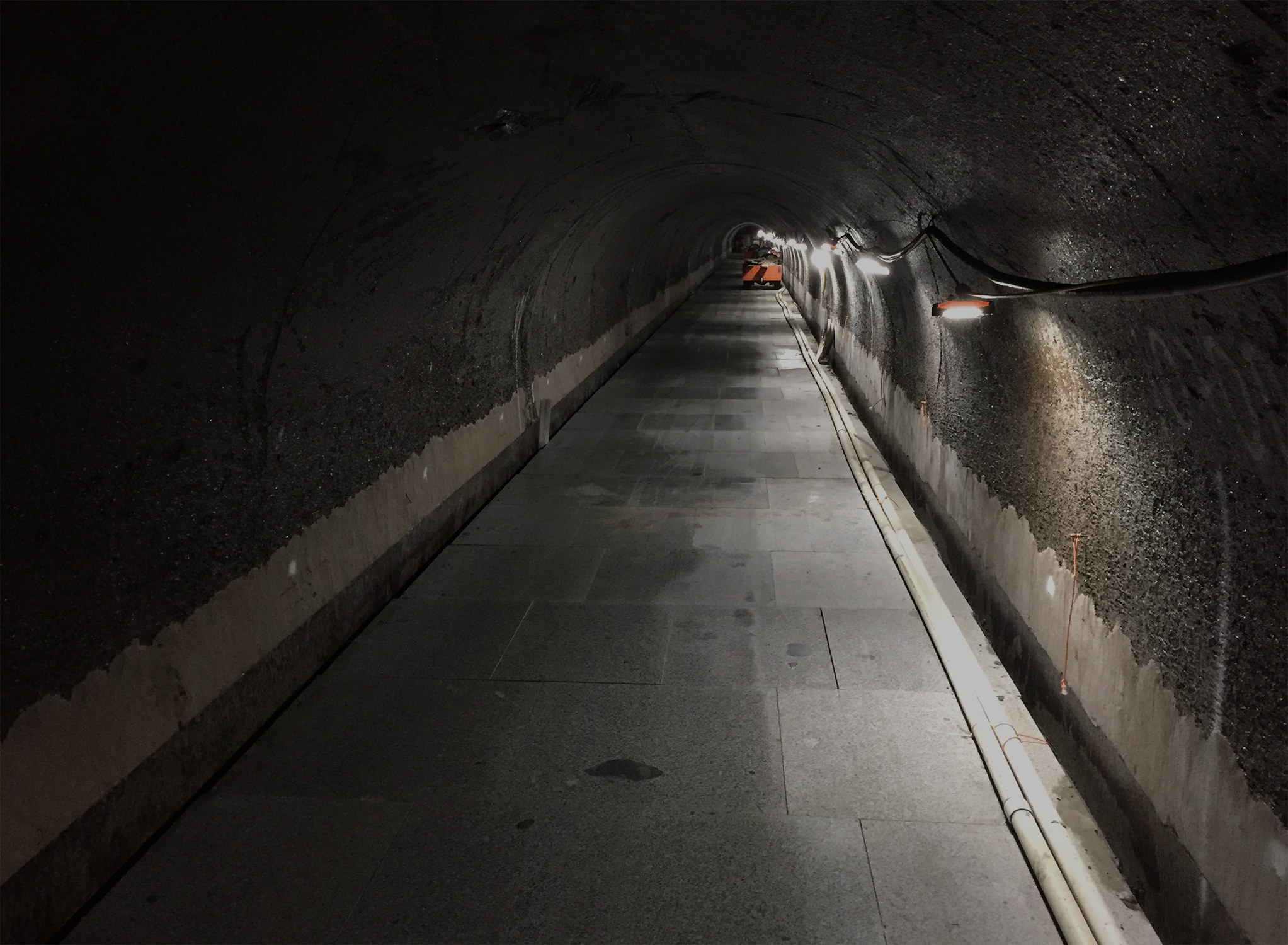
Not every federal constraint involves a polar climate or thin air. At Mud Mountain Dam in Washington state, the U.S. Army Corps of Engineers and its design-build team reconsidered an anticipated steel lining for the outlet tunnel and developed a granite-block alternative instead. The solution reduced installation risk and environmental impact while substantially extending the anticipated service life.
The circumstances are wildly different, but the pattern is familiar. When design and construction account for site realities and operational needs from the start, teams have more room to solve constraints and keep the mission in view.
Expertise Early in the Process
Other federal projects bring a different kind of complexity, with specialized expertise needed to shape the work from the start.
The FBI’s Central Records Complex in Winchester, VA, brought a very different kind of complexity. The 256,000 sq. ft. facility was designed to centralize the FBI’s physical records and protect sensitive material in secure, environmentally appropriate conditions.
At the center of the project was an automated storage and retrieval system capable of operating around the clock with minimal employee involvement. It also had to meet National Archives and Records Administration (NARA) requirements for federal records storage.
Specialized expertise was essential throughout design and construction. The design-build team brought design and trade partners together with subject matter experts to validate the system and ensure the facility met certification requirements. The facility became the first NARA-certified facility to use automated storage and retrieval technology, earning certification in just 30 days, well ahead of NARA’s typical 45-day review period.
Building 60 at Fort Lesley J. McNair in Washington, D.C., presented a different kind of balancing act. The Officers’ Club, built in 1905, needed to become a modern education and assembly space for the Inter-American Defense College while preserving its historic character.
Early laser scanning captured existing conditions for the team’s virtual design and construction models, allowing it to coordinate new systems and plan substantial work, including mold remediation, foundation replacement and restoration of historic arches, with less risk of conflicts during construction.
The same process helped the team solve practical problems that are easy to overlook in a historic renovation, from safer attic access to the placement of modern equipment. The result paired the restored structure with new mechanical, electrical and fire protection systems while supporting an anticipated 50-year service life.
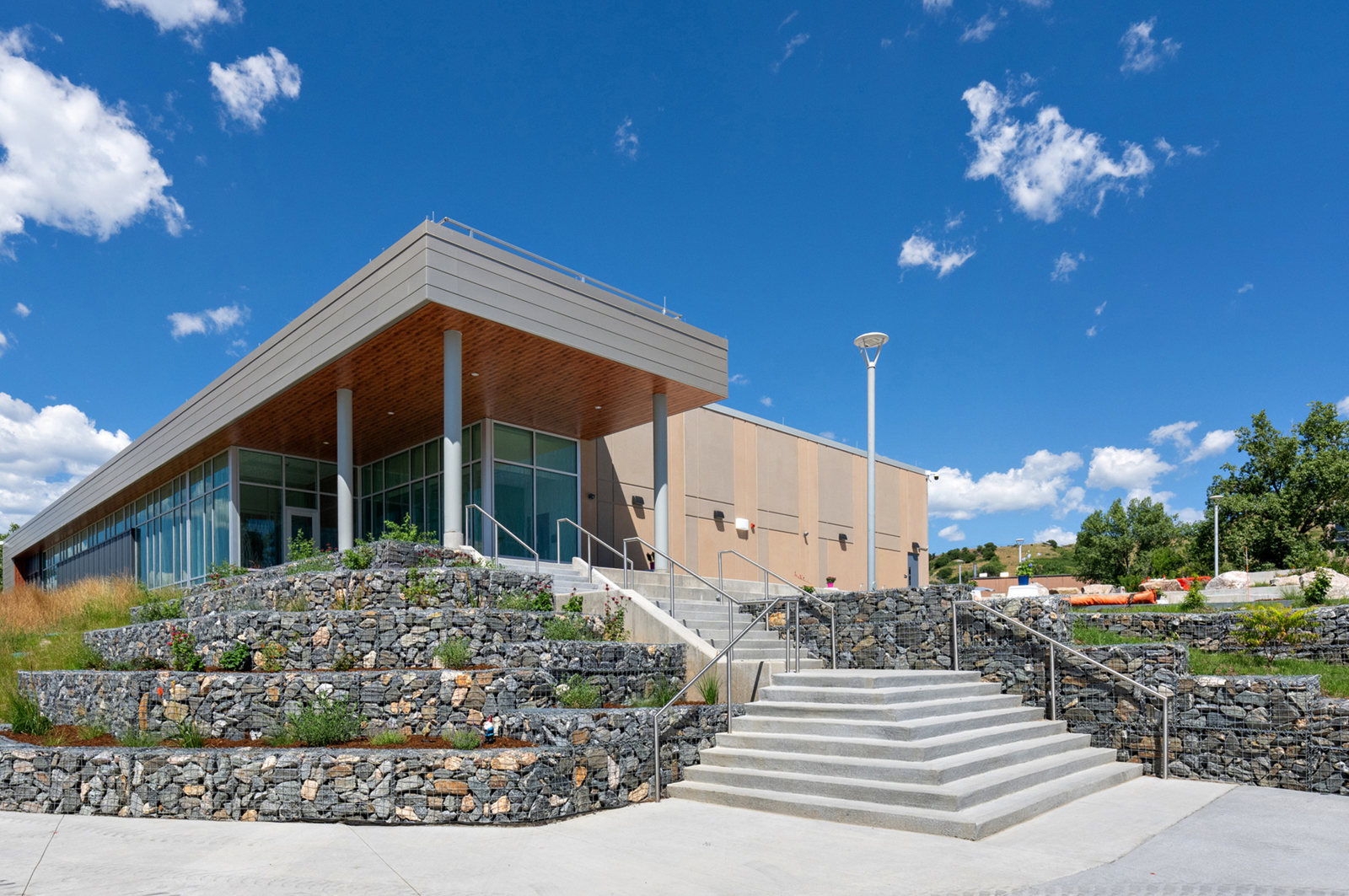
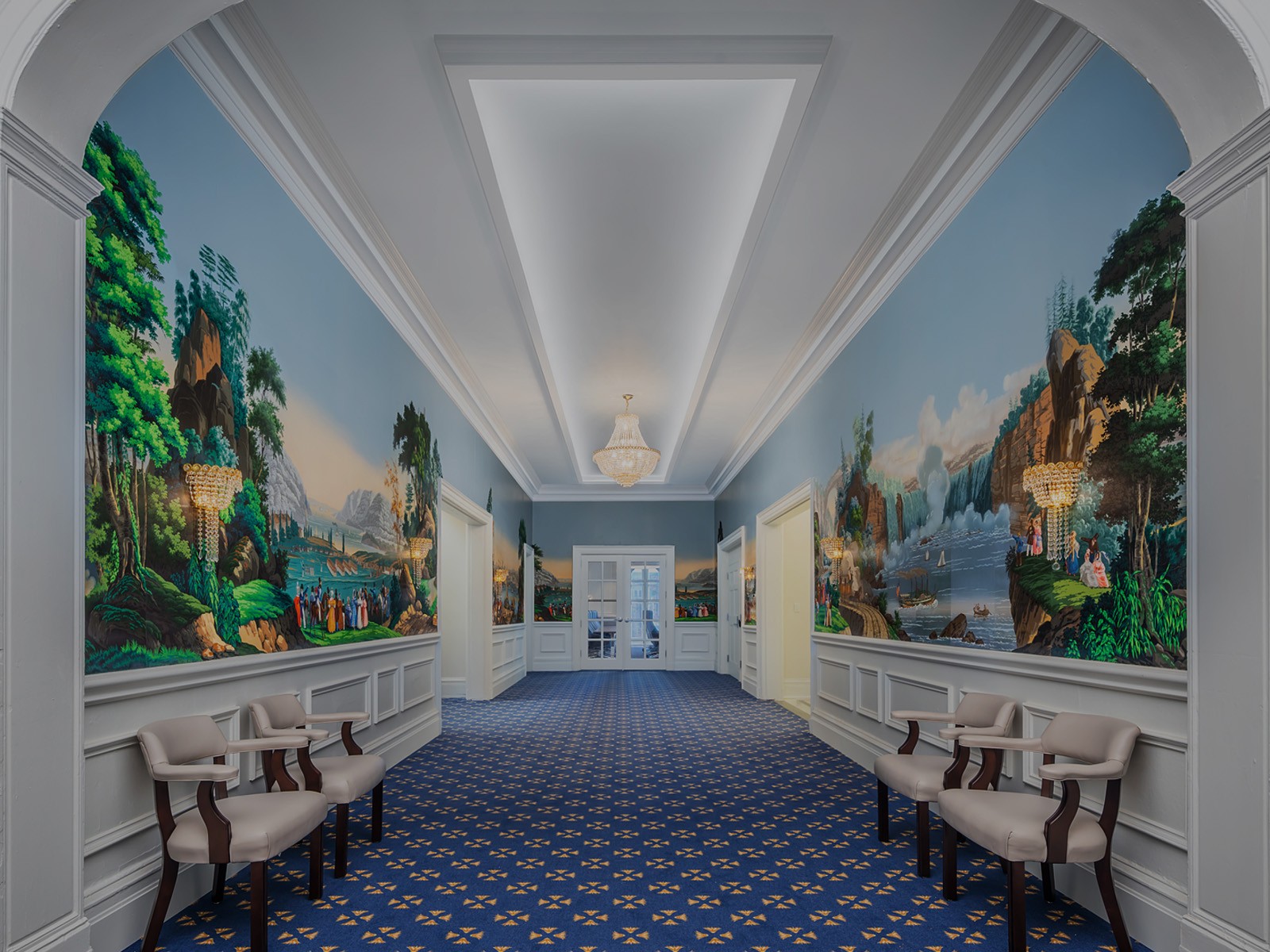
Early collaboration is deliberate at NREL’s Research and Innovation Laboratory (RAIL), where the Owner has built it into the way it approaches its projects.
NREL expected RAIL’s research, equipment and users to change over time, so the team developed two larger shared labs that could be reconfigured as needs changed rather than smaller laboratories tailored to current programs.
Then COVID-19 arrived.
Labor shortages and supply chain problems created new challenges in an already aggressive schedule. When two air-handling units were delayed, the team redesigned the roof with large removable hatches, enclosed the building and kept going. When the units finally arrived, they were lowered into place through the roof.
The workaround solved an immediate schedule problem, but it also made future equipment replacement easier. What began as a response to disruption became a long-term operational improvement.
“We don’t buy scope; we buy behavior,” Cummock said. “We want you to be a partner. You’re not going off and doing your own design. You’re actually going to be designing with us.”
Before selecting the design-builder, NREL brings users and technical specialists together with an Owner Advisor to develop the program and establish mission and performance expectations. The design-build team can then focus on the best way to achieve them.
The earlier expertise enters the process, the more opportunity teams have to shape the project, make better decisions and keep the mission at the center.
Designing for the Long Term
The buildings and infrastructure agencies deliver today may still be supporting public missions decades from now. That puts long-term adaptability and operating needs alongside initial cost when Owners consider value.
RAIL offers an unusually clear example.
The building’s utility distribution and modular systems made it easier to reconfigure research spaces as needs changed. NREL also knew it would eventually need more laboratory space than the initial budget could provide, so the Owner and design-build team planned for future expansion. They sized infrastructure with additional capacity in mind and laid out common spaces so they could support more laboratory space later without requiring the Owner to recreate them.
The future arrived quickly. NREL received funding for an expansion shortly after RAIL was completed, and much of the groundwork had already been done.
“A little preplanning will save you a whole lot of money,” Cummock said.
The same long view appears elsewhere.
On Pikes Peak, Opyd said the completed High Altitude Research Laboratory exceeded the end users’ expectations and could serve them for more than a century.
Building 60 was renovated around an anticipated 50-year service life. At Mud Mountain Dam, the granite lining solution substantially extended the expected life of critical infrastructure while reducing the burden of future maintenance and replacement.
For a public Owner, long-term outcomes like these are integral to the project’s value. A lower initial price means much less if a facility is difficult to maintain, cannot respond to changing mission needs or requires another major intervention years earlier than it should.
Complexity at Any Scale
Contract value and square footage tell us surprisingly little about complexity. Both Holt Watters Field Camp and the High Altitude Research Laboratory received DBIA’s Best in Small Projects honor, despite one being built in Antarctica and the other at 14,000 feet on Pikes Peak.
“Small” is doing a lot of work there.
Opyd said one persistent misconception about smaller design-build projects is that they are inherently easy. Without enough upfront research and strong communication between the people delivering and using the facility, even a project with a modest price tag can become extraordinarily complicated.
When the right people understand the mission and have a process for working through problems together, complexity becomes manageable.
The projects bring the people who design and build facilities into the conversation with the people who will use and operate them. That early, practical exchange helps teams make better decisions as the work gets more complicated and keeps those decisions tied to what the facility ultimately needs to do.
From Authority to Implementation
Federal Owners benefit from resolving uncertainty while there is still time to shape the project, an approach increasingly reflected in federal procurement policy.
The Fiscal Year 2026 National Defense Authorization Act gave federal military Owners explicit authority to use Progressive Design-Build for military construction projects. Progressive Design-Build brings the design-build team into the project while there is still time to test assumptions and resolve uncertainty before final design and construction.
Turning that authority into successful projects depends on how prepared federal Owners are to use it, a major theme of DBIA’s 2026 Federal Design-Build Symposium.
Federal project teams still work within statutory and regulatory requirements. Pikes Peak had firm space restrictions. NREL had fixed budgets. NOAA had to protect one of the world’s most sensitive environments.
Design-build gave the Owners and their teams a way to work through those constraints together. Owner readiness is the common thread across these projects. The mission has to be clear. Procurement needs to bring the right team to the table, and the organization itself has to be prepared for the collaboration that follows.
Cummock’s opening point holds across these projects. Federal projects exist to complete a mission. When delivery is organized around that mission and the right expertise is at the table early enough to matter, the result is more than a building or piece of infrastructure that reached substantial completion.
It is something better equipped to do the job it was built to do.